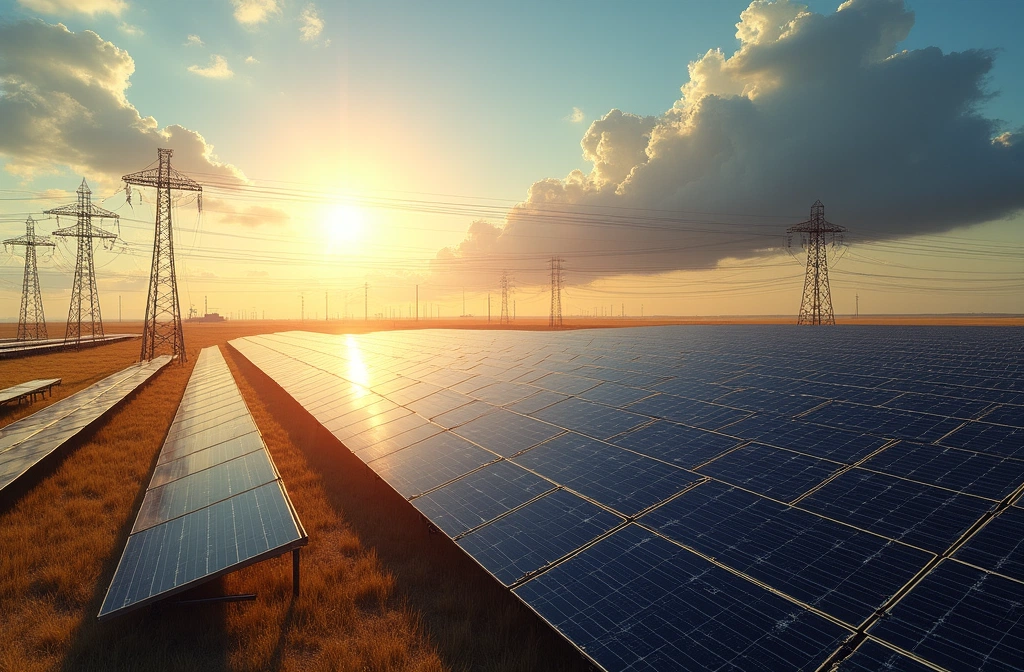
Texas sidestepped what could have been a significant blackout event, according to reporting by The Times of India, thanks to approximately 20,000 megawatts of solar generation capacity that came online to meet peak demand. The Electric Reliability Council of Texas (ERCOT), which manages the majority of the state's power distribution, supervised the deployment.
The event underscores a major shift underway in Texas's electrical infrastructure. Historically dependent on thermal power plants, the state's grid is undergoing substantial reform—one in which renewable capacity now plays an active role in preventing grid failure during high-demand periods.
For preparedness analysis, this development cuts two ways. On the positive side, the successful deployment demonstrates that distributed renewable generation can provide genuine grid stability benefits, reducing the likelihood of cascading blackouts during extreme weather or equipment failures. Solar's ability to ramp up during daylight peak-demand windows offers a measurable hedge against thermal plant outages.
However, the near-miss itself is the critical signal. That ERCOT came close enough to crisis to warrant international news coverage suggests the grid operated with minimal margin. Texas's rapid load growth, aging thermal infrastructure, and transmission constraints remain real constraints. Solar capacity helps—but it is not a substitute for transmission hardening, storage, or demand management.
The broader pattern matters: grids increasingly depend on weather-dependent resources (solar, wind) for reliability. This creates new failure modes. A prolonged cloud cover event during peak summer demand, equipment failures, or cyber incidents affecting SCADA systems could still trigger cascading outages, even with 20,000 MW of installed solar.
WATCH: Monitor ERCOT's reserve margin reports. If summer 2026 demand continues climbing while transmission capacity remains flat, the grid will approach crisis thresholds more frequently. Each near-miss erodes operational margin.
