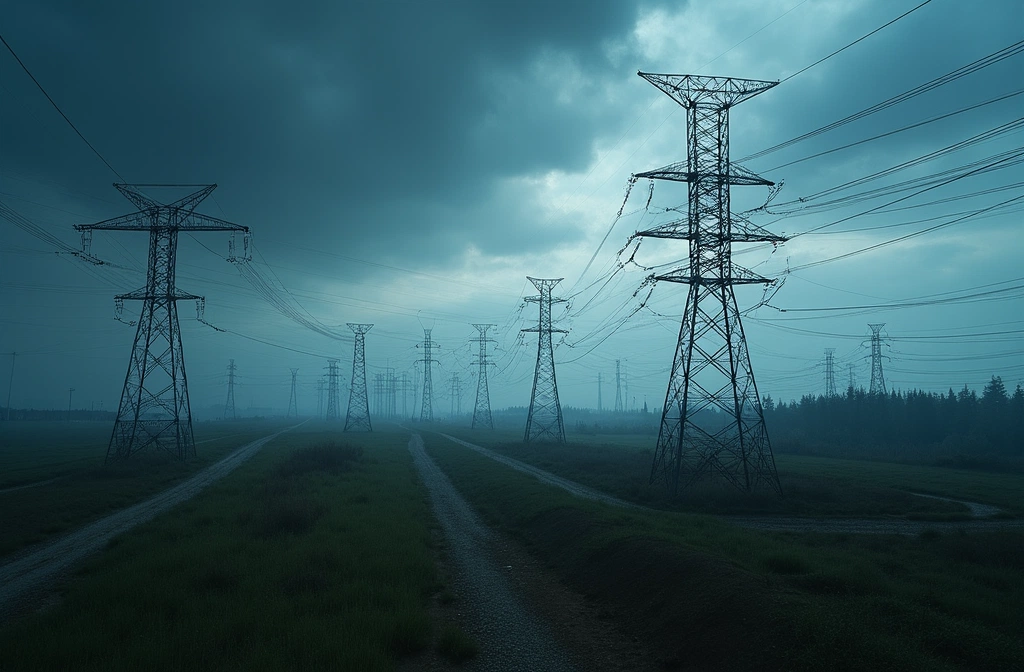
The Texas Public Utility Commission voted unanimously Thursday to adopt rules aimed at avoiding cascading power outages, according to E&E News by POLITICO. The decision represents a regulatory effort to strengthen grid resilience against failure propagation.
Cascading outages—where one failure triggers successive failures across a grid—are a known vulnerability in interconnected power systems. Standards that constrain this risk are operationally sound and address a real failure mode. However, the specifics of Texas's new rules determine whether they meaningfully improve resilience or address only narrow technical thresholds.
The PUC's focus on data center continuity is noteworthy. Data centers represent critical infrastructure for financial systems, cloud services, and communications platforms. Keeping them online during grid stress prevents secondary cascades through the digital economy. This suggests regulators are thinking beyond traditional load-shedding and acknowledging interdependencies between power and digital systems.
Context matters: Texas operates on its own interconnect (ERCOT), which experienced rolling blackouts in February 2021 during extreme cold. That event exposed coordination gaps and inadequate reserve margins. Standards adoption alone doesn't eliminate root causes—generation capacity, transmission maintenance, demand forecasting, and weather response remain critical variables.
What to watch: Monitor whether Texas implements complementary measures—reserve margin targets, transmission hardening, or demand response protocols. Standards without enforcement mechanisms or adequate supply buffers often fail under stress. Also track whether other grid operators adopt similar cascading-prevention rules, which could indicate an emerging industry consensus on the vulnerability.
This is a regulatory move in the right direction, but infrastructure hardening requires sustained investment and testing. Standards are a starting point, not a solution.
