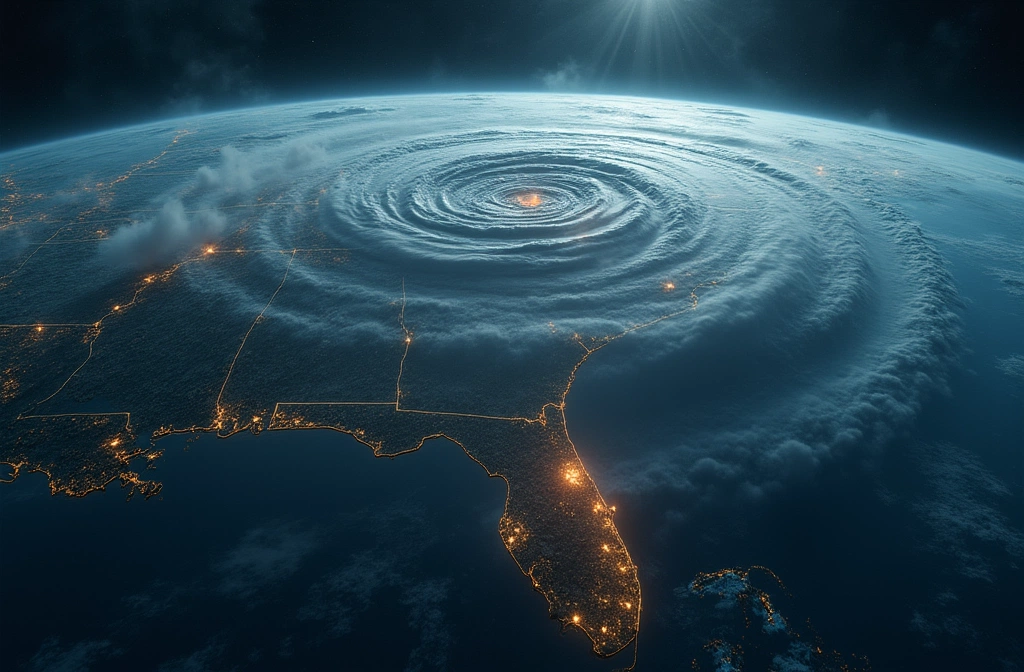
According to The Mirror US, forecasters have warned that three U.S. regions are substantially overdue for a direct hurricane strike. The report indicates that when these areas do experience a direct hit, the impacts could be more severe than tropical cyclones they have previously experienced.
The significance here is straightforward: extended gaps between major hurricane strikes can create a false sense of security in vulnerable populations and infrastructure systems. Communities that haven't absorbed a direct hit in decades may have aging building codes, degraded storm infrastructure, or population bases unfamiliar with evacuation protocols and storm preparedness. This compounds physical vulnerability—roads, power grids, water systems, and communications networks may not be hardened to current storm intensity standards.
The report does not specify which three regions are flagged as overdue or provide timeline estimates for when such an event might occur. However, the framing by forecasters suggests this assessment is based on historical storm frequency and documented gaps in direct strikes.
For preparedness purposes, this is a recalibration signal. If your region is one of the three flagged (information available in the full Mirror US article), this warrants a systems review: Do local building codes reflect current hurricane intensity projections? Are backup power, water, and supply chains tested and resilient? Do neighbors and community networks have established communication and shelter protocols?
Historically, regions experiencing long gaps between major storms show measurable increases in casualty and economic loss when events finally arrive—not because storms are worse, but because institutional and individual readiness atrophy. This flash serves as a baseline indicator that forecasters are actively monitoring these exposure gaps. Track official NOAA and National Weather Service updates for regional-specific risk assessments as Atlantic hurricane season approaches.
