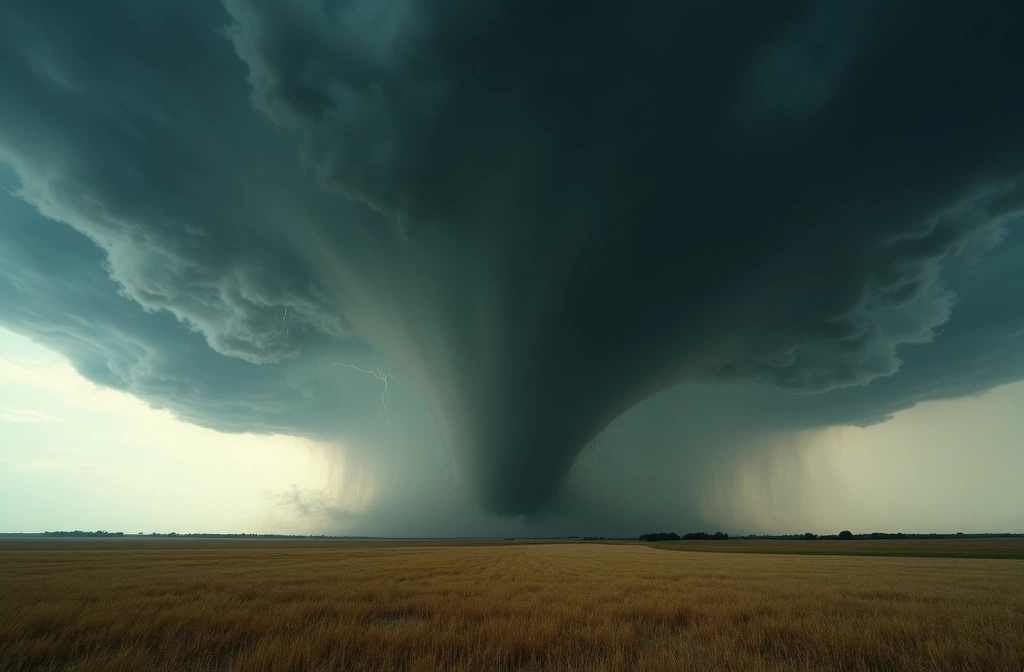
According to The New York Times, a tornado hit a city in Kansas, with forecasters warning of severe weather extending from Texas to New England as storms move through the region this week. The geographic scope—spanning multiple critical infrastructure zones and population corridors—warrants attention from a preparedness standpoint.
Severe weather events at this scale present cascading risks beyond immediate wind and precipitation damage. Tornadoes and severe thunderstorms can trigger localized power outages, disrupt transportation networks, damage communications infrastructure, and strain emergency response systems. When events are geographically distributed across multiple states, they fragment response capacity and may overwhelm mutual aid agreements.
The multistate warning footprint is significant. A weather event spanning from Texas through the Great Lakes to New England touches critical infrastructure nodes—power distribution hubs, major transportation corridors, telecommunications choke points, and population centers. Simultaneous impacts across this area could strain grid stabilization efforts and create cascading outages if damage is concentrated in key nodes.
The Times report does not specify expected intensity, timing windows, or affected counties. This means preparedness actions depend on local NWS watches and warnings—not this initial report.
What to watch: Monitor National Weather Service regional offices (NWS.NOAA.gov) for county-level watches and warnings as the system develops. Track whether warnings shift toward significant severe (hail >2", tornadoes, damaging wind). Watch for reports of damage to substations, transmission lines, or emergency services infrastructure—these amplify recovery timelines.
This is a reminder that severe weather preparedness isn't theoretical. Have multiple communication channels (battery radio, cell backup power), document critical contacts offline, and know the location of your nearest safe room. If you're in the forecast area, baseline your home's weather alerts now, not when the warning drops.