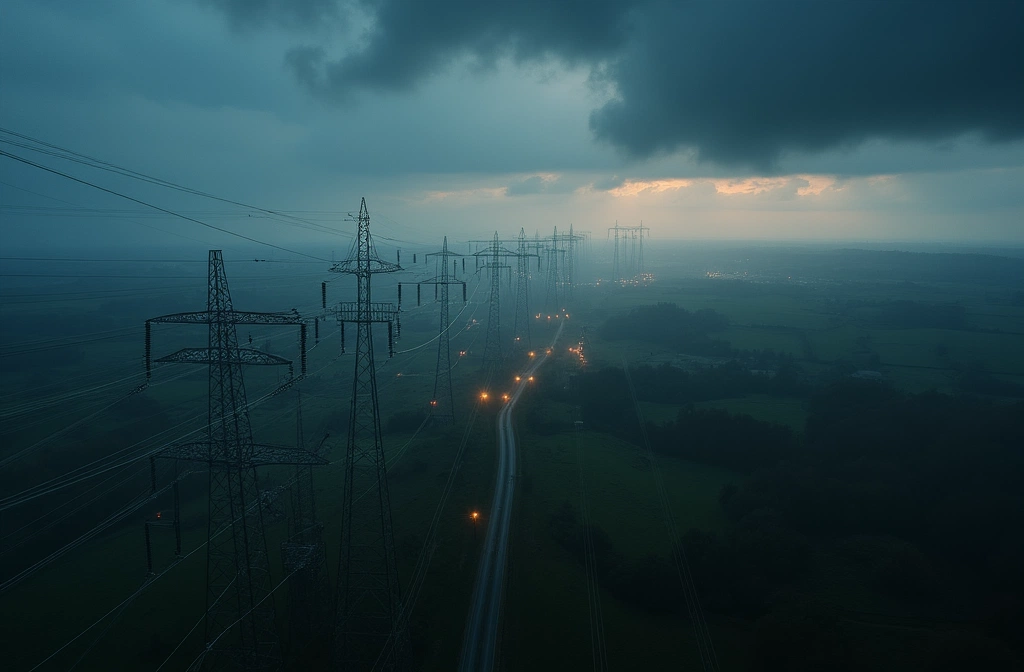
According to the Daily Star, a senior energy expert has issued a warning that a National Grid blackout could trigger widespread disruption across the UK, with the Spain and Portugal power outages cited as a potential comparable scenario.
This matters because the UK's electrical grid operates as an interconnected system—cascade failures in one region can propagate rapidly across transmission networks, affecting hospitals, water treatment, fuel distribution, communications infrastructure, and food supply chains. The reference to Spain and Portugal events suggests the expert views transnational grid vulnerabilities as instructive for UK risk modeling.
The warning does not specify a timeline, cause, or probability level, but reflects the kind of infrastructure stress-testing that grid operators and energy analysts conduct when examining systemic weaknesses. The fact that this assessment is coming from a named energy expert—rather than unverified rumor—indicates it likely reflects professional-level concern about grid architecture or capacity under certain failure scenarios.
What to watch: Monitor for additional expert commentary on specific grid vulnerabilities (renewable energy intermittency, aging infrastructure, interconnection dependencies, or weather-related risk factors). If official energy agencies or National Grid operators issue formal statements addressing these concerns—either confirming or rebutting them—that will clarify the credibility and scope of the warning. Reports of grid stress tests, infrastructure investment announcements, or regulatory changes to grid resilience standards would indicate whether this warning is prompting action from authorities.
The UK's energy landscape has shifted significantly toward renewable sources, which introduces new variables in grid stability compared to legacy coal and nuclear baselines. Any expert warning about grid blackout risk should prompt household and business-level assessment of backup power, water storage, and supply chain buffers—not from panic, but from standard operational resilience planning that organizations already conduct for other critical infrastructure risks.
