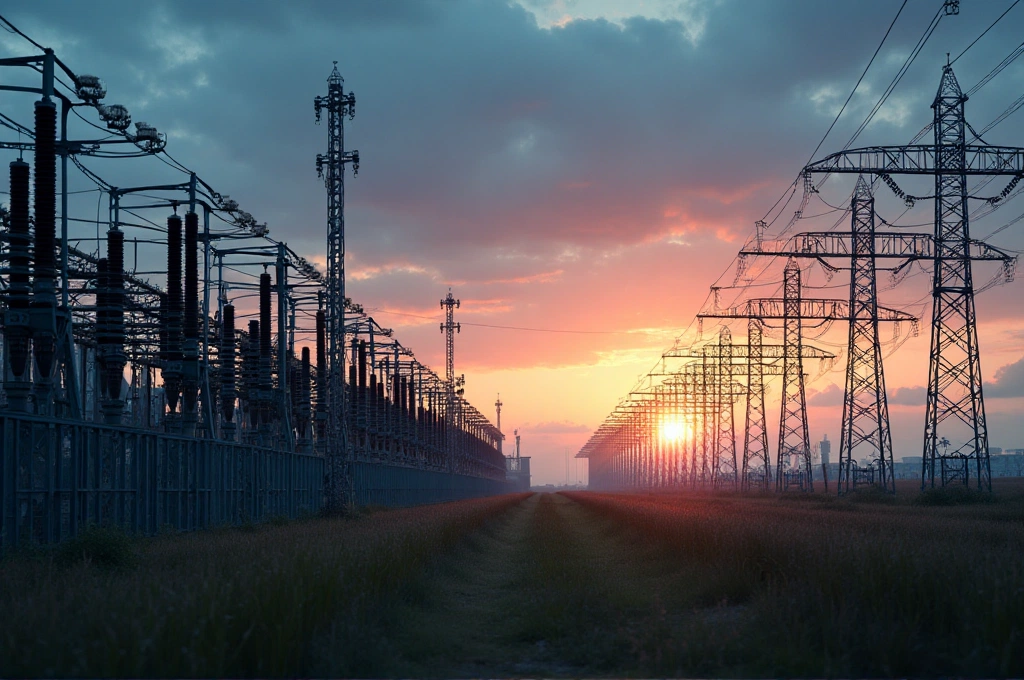
According to reporting in The Independent, a Professor of Energy at UCL has identified a critical gap: UK regulators have failed to modernize the national grid infrastructure, creating measurable risk for power disruptions. The article contextualizes this concern against historical precedent—the 1970s miners' strikes triggered nationwide rationing through power rationing, and the Great Storm of 1987 killed 18 people and left 1.5 million without power.
The significance here is straightforward: grid modernization isn't abstract policy. It's infrastructure hardening. When regulatory bodies don't mandate or fund upgrades to aging transmission and distribution systems, the grid's tolerance for stress—whether from demand spikes, weather events, or equipment failure—shrinks. The UCL professor's assessment suggests this tolerance is currently inadequate.
For preparedness purposes, this matters because it identifies a systemic vulnerability that's documented and recognized at expert level, yet apparently unresolved in policy or capital allocation. The gap between acknowledged risk and regulatory action is where real exposure lives.
Historically, the UK has experienced serious grid failures. The 1970s strikes and 1987 storm both occurred with less complex infrastructure and lower baseline demand than today. Current systems carry more dependencies—communications, water systems, heating, medical equipment—all now hardwired to continuous power. A comparable outage event today would cascade differently and potentially harder than those historical incidents.
The critical question is whether regulatory bodies are moving to close this gap, or whether the risk remains structural. The Independent reporting doesn't indicate timeline for remediation, which suggests the work either hasn't started or is proceeding slower than the underlying vulnerability warrants.
