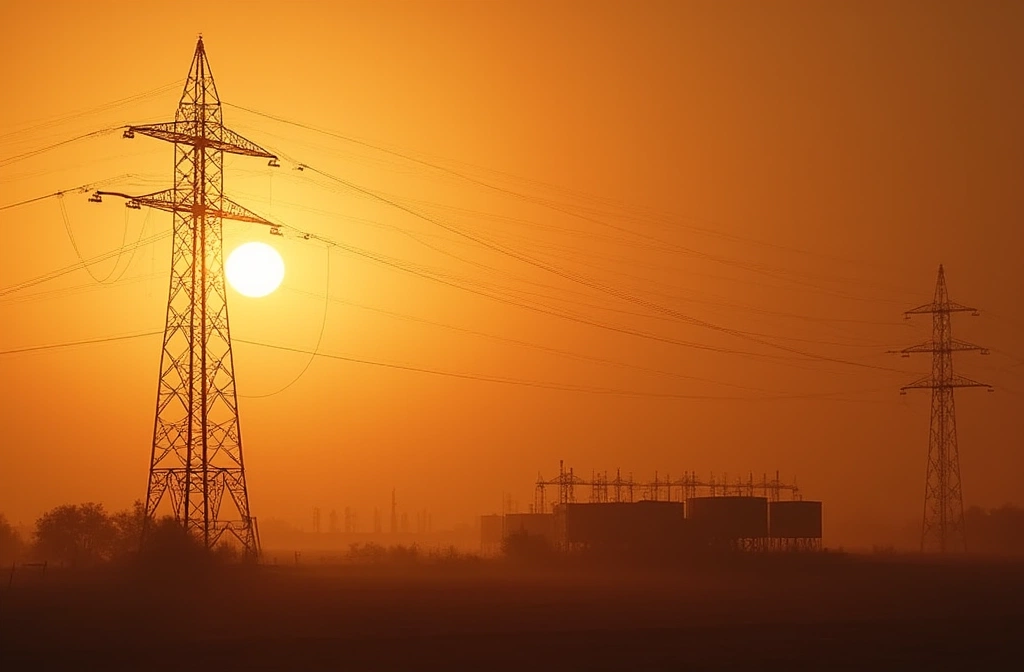
According to reporting in the Express, UK grid operators are flagging a critical vulnerability: extreme heat around 41°C could push the electrical system to breaking point. The mechanism is straightforward but cascading: high temperatures cause power lines to sag, potentially coming into contact with dry vegetation. This contact sparks wildfires that don't just threaten communities—they damage infrastructure directly, forcing utilities to shut down network sections preemptively to reduce fire risk.
Once damage occurs, the repair timeline extends significantly. Safety concerns in extreme heat slow restoration work, lengthening localized blackouts beyond normal outage windows.
This matters because the UK grid operates with narrow margins. A single vector—line sag, vegetation contact, or wildfire ignition—is manageable. But under sustained 41°C conditions, these vectors may activate simultaneously across multiple regions. Preemptive shutdowns, intended as protective measures, become a secondary failure mode: intentional grid fragmentation to prevent uncontrolled cascade.
The risk profile here is systemic, not localized. If utilities must choose between accepting wildfire risk and imposing rolling blackouts, the decision tree narrows fast. Extended outages in summer heat create secondary hazards: cooling system failures, water supply disruption (pumping), and medical device dependency in vulnerable populations.
Historically, the 2003 European heat wave exposed similar grid vulnerabilities across France and Germany—cooling water for thermal plants became scarce, forcing generation cuts precisely when demand peaked. The UK grid today faces a different primary stressor (line integrity rather than cooling capacity), but the underlying dynamic is identical: extreme heat removes redundancy from a system already operating near utilization limits.
What to watch: Grid operators' public statements on demand forecasts and any announced de-rating of transmission lines. Utility notifications about scheduled maintenance windows or area-based power reductions ahead of peak heat days. Any reports of vegetation management pauses or reduced clearing schedules—these directly increase contact risk.
