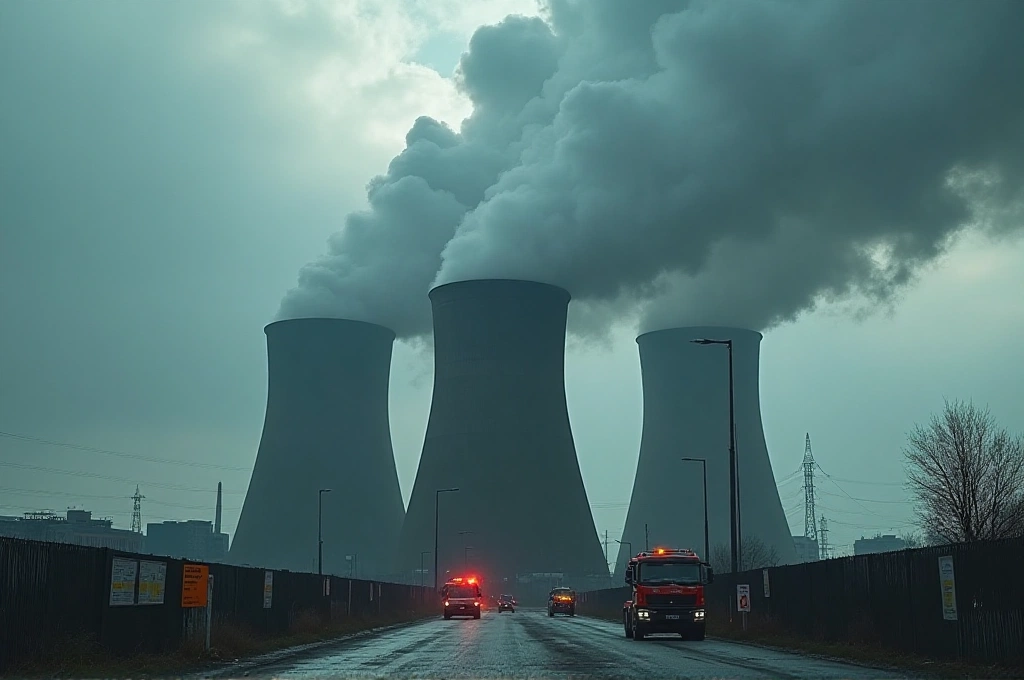
According to Escudo Digital, a UK power station experienced a four-day outage following a cyberattack attributed to Iranian operators. This is a single-source report with no independent confirmation from UK grid operators, energy regulators, or government agencies at this time.
Why this matters: If confirmed, the incident would represent a direct disruption to active power generation capacity — not a threat simulation or test intrusion, but operational shutdown. A four-day recovery window suggests either significant damage to control systems, supervisory infrastructure, or both, requiring time for forensics, remediation, and safe restoration protocols.
Cyber intrusions into power generation facilities have moved from theoretical risk to demonstrated capability. The 2015 Ukraine power grid attack (attributed to Russian actors) disabled substations for hours and affected 230,000 customers. That incident proved that adversaries could navigate air-gapped networks and execute destructive commands in operational technology environments. A generation facility shutdown — versus distribution-level disruption — would represent escalation in both targeting precision and impact duration.
The attribution to Iranian actors is noteworthy given Iran's documented cyber operations against regional energy infrastructure, but Escudo Digital has not provided public evidence supporting this claim. Independent verification from UK government, the National Cyber Security Centre, or grid operator National Grid would establish credibility and context.
What to watch: Monitoring for statements from UK authorities, grid operators, or energy regulators confirming or clarifying the incident; any disclosure of attack methodology or tooling; whether other facilities report similar intrusion attempts; and whether Iran or Iranian-linked groups claim responsibility or deny involvement. Secondary indicators include unexplained maintenance windows at other UK generation sites or new defensive postures announced by energy operators.
