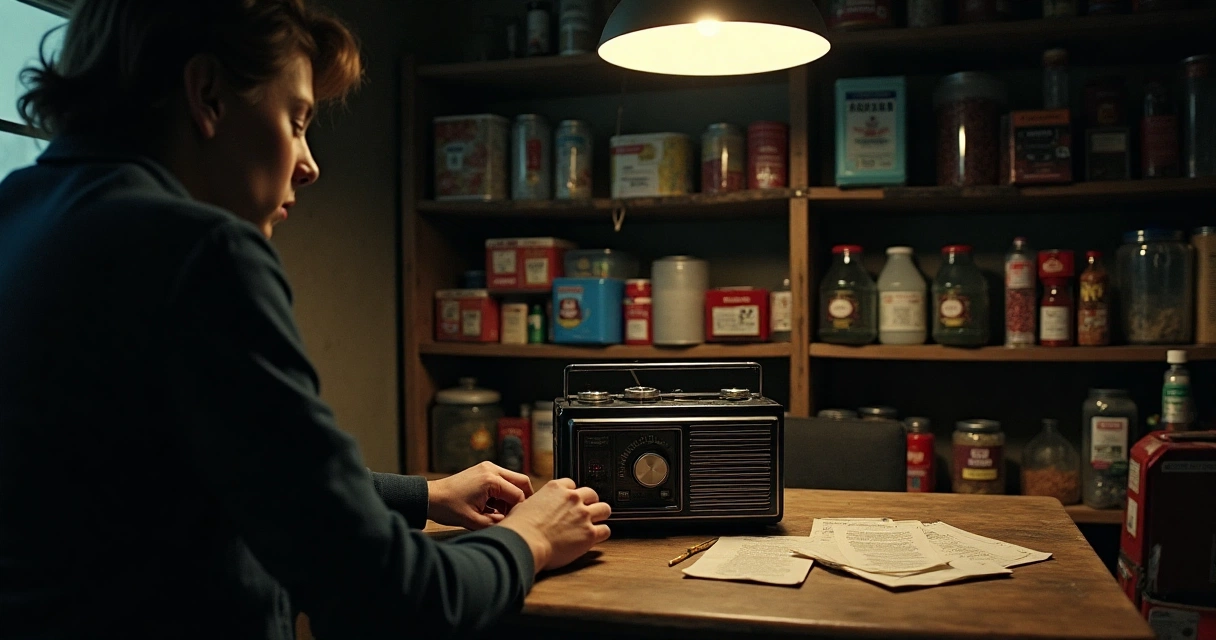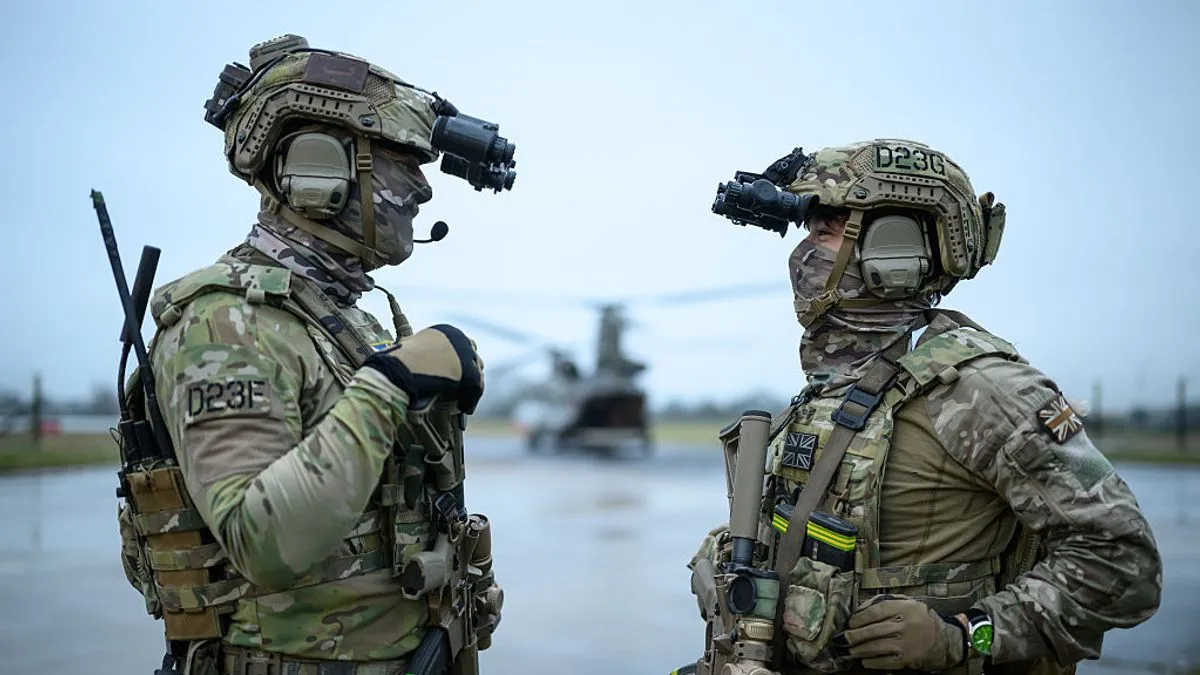
According to Daily Star, Britain is reviving its Cold War war book—a comprehensive set of emergency protocols—as military chiefs warn of rising threats. The initiative aims to prepare civilians, industry, and armed forces for a rapid operational shift to wartime footing.
This signal matters because it reflects official reassessment of threat environment and indicates preparation for infrastructure strain, supply chain disruption, and potential civilian-sector mobilization. When governments activate Cold War-era contingency planning, it typically involves prepositioned resources, communication protocols, and coordination frameworks across critical sectors.
For preparedness-minded individuals and households, this development underscores the value of baseline readiness: water storage (2+ weeks minimum), non-perishable food supplies, battery backup, first aid capability, and cash reserves. Communities should understand local evacuation routes and family communication protocols independent of cellular networks.
For infrastructure operators and small business owners, this suggests value in reviewing supply chain resilience, backup power systems, and continuity-of-operations plans. Organizations dependent on just-in-time logistics may face disruption during transitions to wartime protocols.
Key watch items: (1) Official UK government statements clarifying scope and timeline of these preparations; (2) Announcements regarding civilian-sector mobilization or resource requisitioning frameworks; (3) Changes to critical infrastructure regulations or emergency response protocols. (4) Communication from NATO allies regarding similar readiness measures, which could indicate coordinated threat assessment.
This is not a call to panic action, but a marker that threat assessment at government level has shifted. Historical precedent shows these preparations typically precede months or years of policy evolution, not immediate crisis. Stay informed through official UK government and military communications channels rather than tabloid speculation.