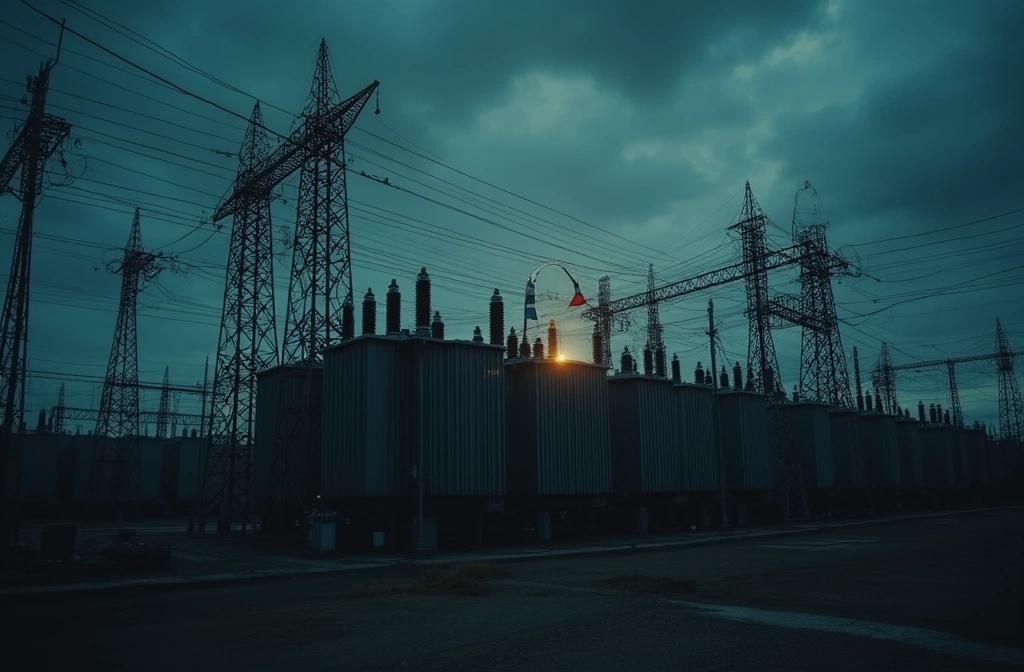
Ukrenergo, Ukraine's state grid operator, has warned of potential 5-hour blackouts if Russia launches renewed attacks against the electrical infrastructure, according to reporting from Kyiv Post. The warning reflects lessons from the 2025-2026 winter period, when Russian strikes caused extended grid failures—including continuous blackouts lasting over 48 hours during subzero temperatures.
This is a critical infrastructure signal. Ukraine's grid has absorbed multiple cycles of attack and partial recovery. The fact that operators are publicly flagging a specific blackout duration (5 hours) suggests they've modeled recent attack patterns and identified thresholds where system recovery becomes constrained—either due to physical damage, supply chain delays for replacement equipment, or reduced redundancy from prior strikes.
The 48-hour blackout data point from winter 2025-2026 is significant: extended outages in freezing conditions create cascading risks—heating system failures, water system freezes, fuel supply disruptions, medical equipment battery depletion, and communication infrastructure collapse. Ukraine has attempted to diversify power sources to minimize outages, but the warning itself indicates those measures have limits under sustained attack.
For preparedness analysis, this matters because: (1) it demonstrates how modern grid infrastructure can be degraded below critical thresholds through coordinated strikes, (2) it shows that even partially redundant systems remain vulnerable to duration-based failures, and (3) it provides real-world data on how long modern populations can function without centralized power before cascading systems begin failing.
The seasonal pattern is also worth tracking: winter creates maximum demand and minimum resilience. Any renewed offensive activity during cold months could trigger the conditions Ukrenergo is warning about.
