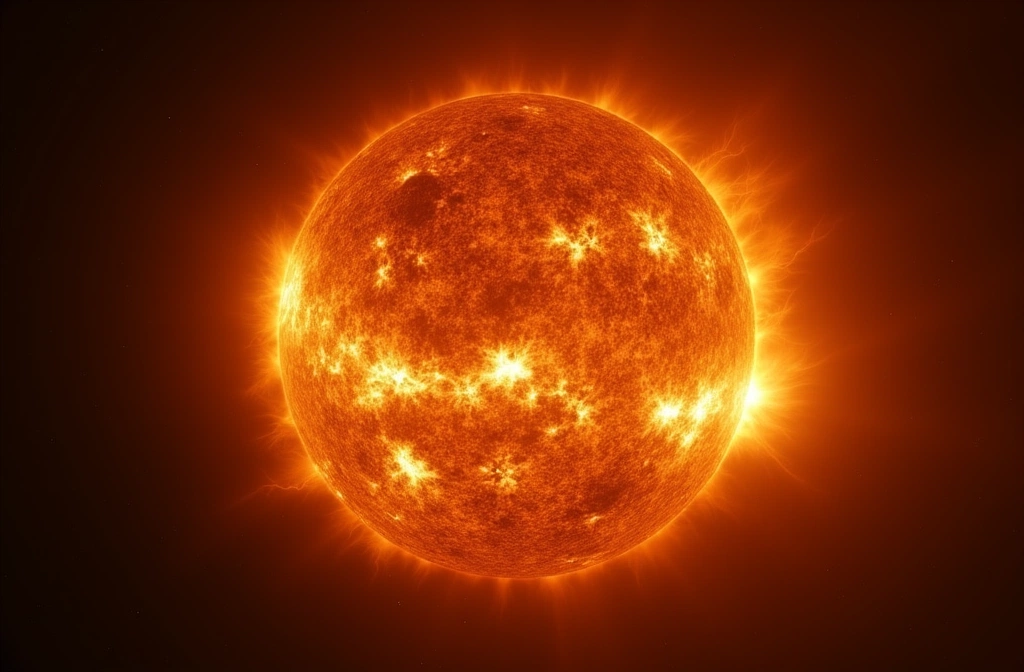
Space physicists led by the University of Iowa released new findings documenting the sequence of solar eruptions responsible for the geomagnetic storms that occurred on Mother's Day. The study provides what the researchers describe as the most detailed account to date of how a string of solar outbursts propagated from the sun to Earth's magnetosphere.
This work carries significance for preparedness analysts tracking space weather risk. Geomagnetic storms affect satellite operations, power grid stability, and long-distance communications infrastructure. The more precisely researchers can map the mechanism linking solar eruptions to ground-level geomagnetic disturbances, the better our ability to forecast severity and lead time for protective action.
The Mother's Day geomagnetic storm is classified as historic — meaning it ranked among the most severe events in the modern instrumental record. Events of that magnitude are rare but not unprecedented. Understanding the causal chain between solar activity and terrestrial impact helps establish baseline patterns for future event detection and response planning.
What makes this research relevant beyond academic interest: space weather forecasting depends on models that connect observable solar phenomena to measurable geomagnetic effects. Each detailed case study — particularly involving high-intensity events — refines those models. For critical infrastructure operators and emergency managers, improved forecasting windows translate to actionable lead time for load-shedding, backup activation, and system hardening.
The University of Iowa study suggests that complex solar eruption sequences, not single discrete events, may drive the most intense geomagnetic disturbances. This has implications for how space weather monitoring agencies prioritize alerts and how grid operators calibrate response thresholds.
For preparedness-focused readers: track NOAA Space Weather Prediction Center alerts and familiarize yourself with the G-scale rating system (G1 to G5). The Mother's Day event demonstrated that high-magnitude storms remain within the natural variability of solar behavior. This is not new risk — it is documented, recurrent risk that warrants baseline readiness in critical infrastructure and household resilience planning.
