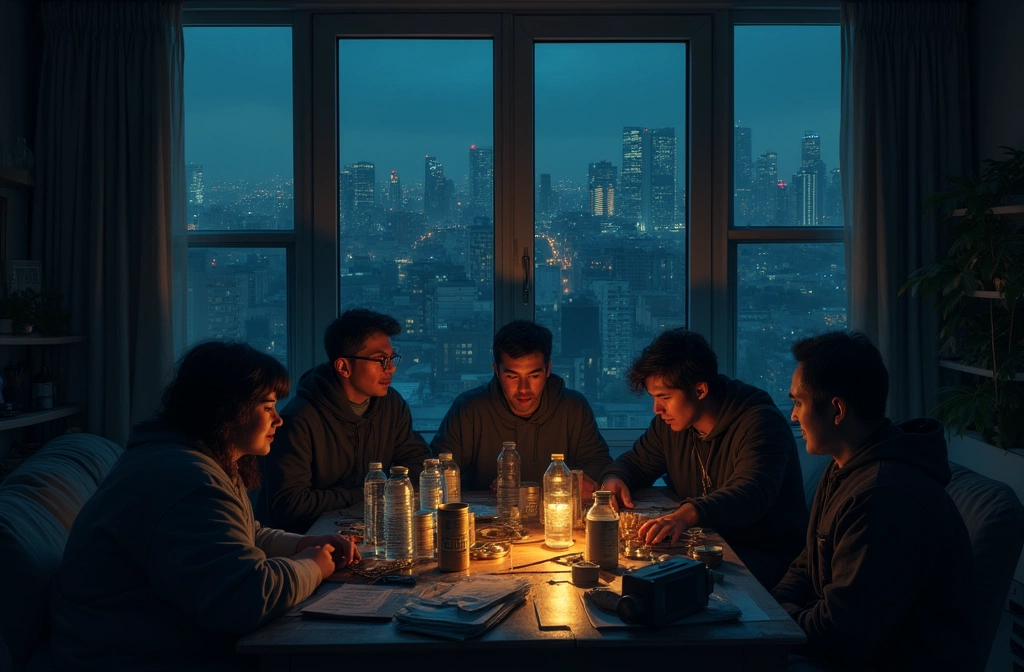
A new resource titled 'Urban Blackout Survival: the Complete Emergency Preparedness Guide for Power Outages, Grid Failures & City Crisis Readiness' has been identified as of April 28, 2026. The guide's framing—that power outages and grid failures are 'more common than ever'—reflects a documented shift in how preparedness-minded populations assess infrastructure risk.
The resource focuses on three core preparedness domains: family protection, home security, and safety protocols during extended blackouts. Its emergence suggests civilian demand for structured guidance on scenarios where municipal power systems fail or degrade.
What makes this noteworthy is not the guide itself, but what it represents: increasing recognition that urban populations face real grid vulnerability. Whether caused by weather events, aging infrastructure, cyber incidents, or physical damage, blackouts disrupt water systems, heating, communications, and supply chains within hours. Urban residents—who depend entirely on continuous grid function—have historically underestimated this risk.
The guide's scope (family protection through home security) indicates it addresses cascading failures: when power fails, security systems fail; when security fails, looting becomes a secondary threat. This layered thinking is essential for urban preparedness.
However, readers should note: a guide's existence doesn't validate the specific recommendations within it. Quality, accuracy, and practical feasibility vary widely in the preparedness space. Any resource should be cross-referenced against established emergency management standards from FEMA or your local emergency management agency before implementation.
The real signal here is demand. When preparedness literature proliferates, it reflects either genuine risk escalation or perception shift—often both. Urban dwellers with limited redundancy (no generator backup, no manual water access, no food stores) remain acutely exposed to even 72-hour blackout scenarios.
