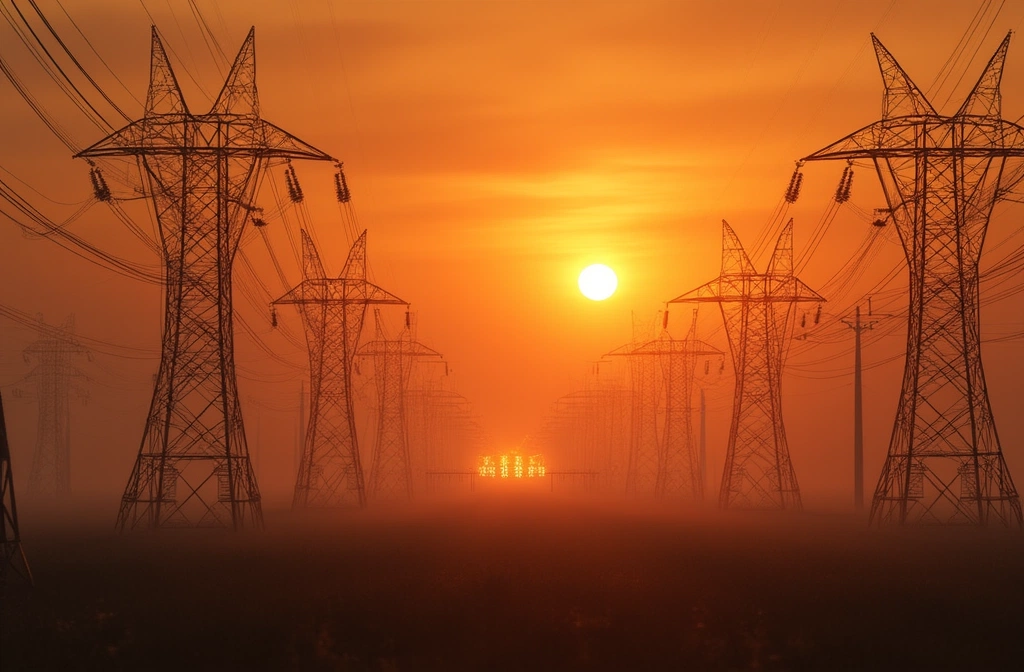
The U.S. Department of Energy has authorized emergency power measures for the Montana and Wyoming electrical grid managed by the Southwest Power Pool, according to reporting from KPAX. The action was triggered by extreme heat driving electricity demand to near-record levels across the central U.S., including service areas of cooperatives like Yellowstone Valley Electric Cooperative.
This authorization represents the final procedural step before a potential Level 3 Energy Emergency Alert, which could result in rolling blackouts to prevent complete system failure. The Southwest Power Pool manages grid infrastructure across much of the central U.S., making this a regional critical infrastructure event.
Why this matters: Emergency power activation signals that standard grid capacity is insufficient to meet current demand. The fact that authorities have deployed emergency protocols suggests demand forecasting shows continued strain through the heat event. Cooperatives and utilities operating under these constraints may have limited flexibility to absorb additional load spikes from equipment failures, industrial demand, or unexpected outages.
What to watch next: Monitor whether demand continues to exceed available capacity, whether rolling blackouts are implemented, and how long the emergency authorization remains active. Secondary indicators include public utility notices to customers about voluntary conservation measures, which often precede mandatory demand reductions. Watch for any announcements from the Southwest Power Pool regarding extension of emergency protocols or escalation to Level 3 status. Regional weather forecasts will be critical—any extension of the heat wave beyond current predictions could intensify grid stress. Track utility and cooperative communications for customer advisories about potential outages or conservation requirements.
