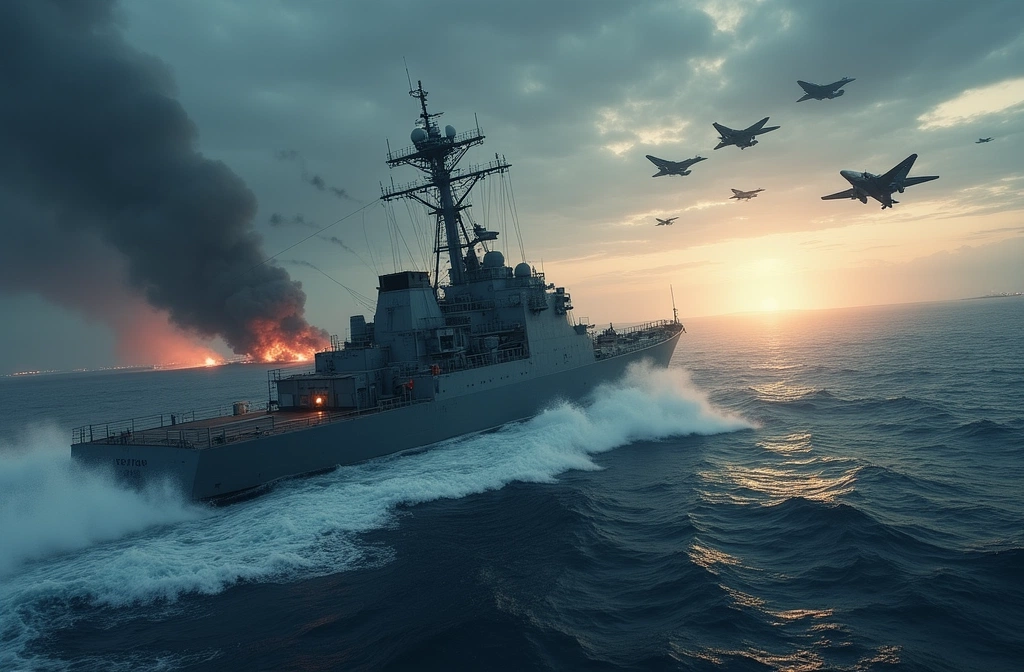
According to AP News and NBC News, the U.S. reimposed a naval blockade on Iran and intensified its airstrike campaign on Wednesday in retaliation for Tehran's attacks on ships transiting the Strait of Hormuz. Iran has threatened to halt Mideast energy exports in response.
The Strait of Hormuz is a critical chokepoint: roughly one-third of global seaborne oil passes through it. Any sustained disruption to shipping traffic—whether from blockade enforcement, Iranian attacks, or U.S. strikes—creates immediate pressure on energy markets and supply chains that depend on predictable fuel costs and availability.
For preparedness purposes, this matters because energy disruption cascades. Fuel shortages don't stay isolated to transportation; they affect heating, power generation, and logistics networks that move food and medical supplies. Inflation in energy costs also ripples through inflation in everything else.
The current situation presents a genuine but still-emerging risk. Both the U.S. blockade and Iranian threats are confirmed by mainstream sources, but the intensity and duration of this particular escalation remain unclear. These are the specific indicators to watch: whether attacks on shipping intensify or stabilize; whether additional nations impose sanctions or restrictions on Iranian oil; whether global oil prices show sustained upward movement; and whether either party signals further escalation through military positioning or official statements.
Historically, Strait of Hormuz disruptions have been temporary—the 1973 oil embargo lasted months, not years. But temporary doesn't mean painless. If blockade-related attacks persist for weeks or months, spot prices for crude will spike, and supply chains already strained by recent years' disruptions may face new breaking points. Households with older heating systems, vehicles dependent on specific fuel grades, and those without emergency fuel reserves face the highest exposure.
