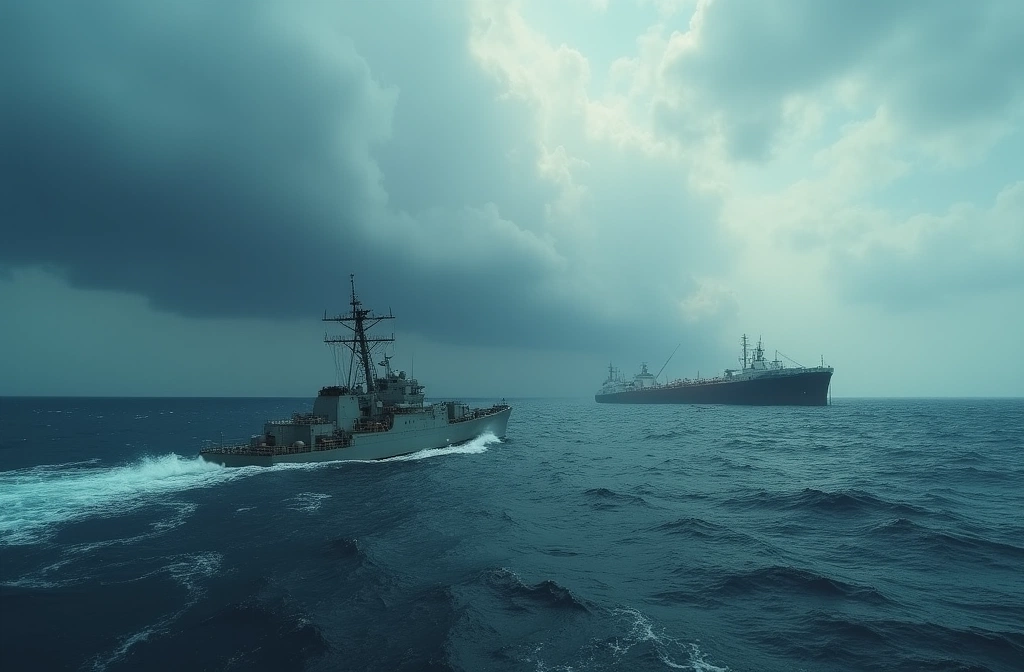
According to BBC News, US Central Command reports disabling an Iranian-flagged oil tanker in the Gulf of Oman while maintaining an active blockade of Iranian ports. The timing coincides with Iran's consideration of a proposal aimed at ending the conflict, suggesting parallel tracks of military and diplomatic activity.
For infrastructure and energy security monitors, this development matters because:
Maritime Chokepoint Risk: The Gulf of Oman is a critical energy transit corridor. Sustained US naval operations targeting Iranian vessels may increase insurance costs, alter shipping routes, or create localized supply disruptions affecting global oil markets. Preparedness-conscious readers should monitor crude prices and regional maritime incident frequency as indicators of escalation.
Port Blockade Implications: An active blockade of Iranian ports constrains Iranian energy exports and foreign currency inflows. This could affect global energy price stability depending on blockade stringency and duration — relevant to those tracking fuel availability and grid stability in energy-dependent regions.
Dual-Track Uncertainty: The coexistence of military action and diplomatic negotiations creates operational ambiguity. Neither side's next move is predictable from this report alone. The presence of a formal proposal under Iranian consideration may suggest negotiating room exists, but BBC's reporting does not indicate whether US or Iranian leadership views the proposal as serious or near acceptance.
What to Watch: Monitor for changes in the blockade's intensity, statements from Iran or US officials about the diplomatic proposal's status, and shifts in Brent crude pricing. A rapid escalation in tanker seizures or expanded restrictions on maritime traffic would signal hardened positions. Conversely, any announced ceasefire or port reopening would indicate de-escalation.
This remains a low-severity emerging event with single-source reporting. Readers should await confirmation from additional official sources and track the diplomatic proposal's trajectory before adjusting preparedness posture. Energy-dependent regions and maritime-reliant supply chains warrant closer attention to this story's development.
