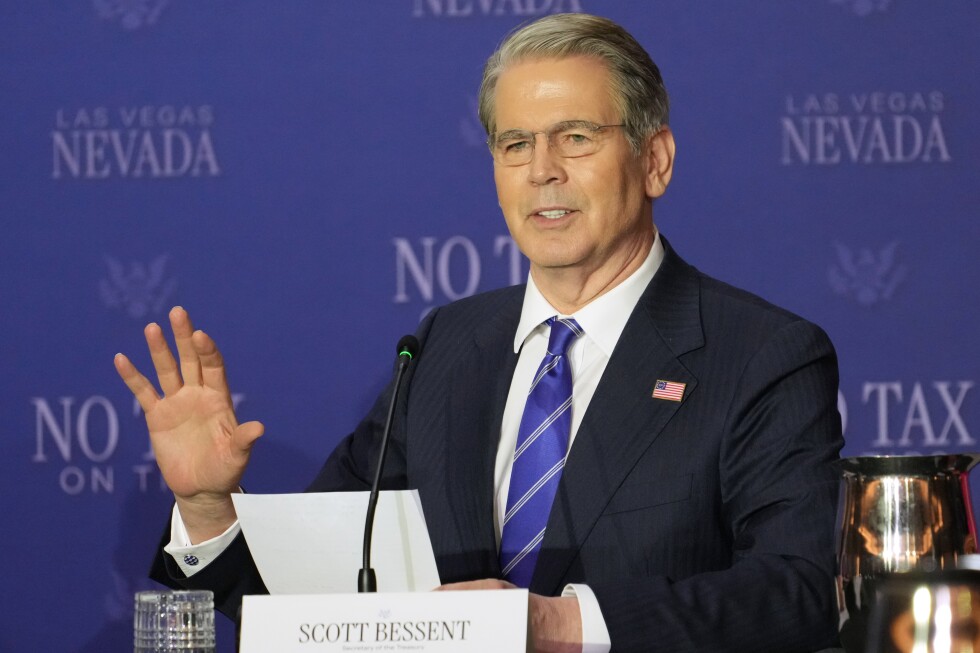
According to Politico, the U.S. Treasury Department has extended its pause on sanctions against Russian oil shipments to address shortages stemming from the Iran war. This extension came days after Secretary of the Treasury Scott Bessent publicly ruled out such a move—a notable contradiction between stated policy and action.
The extension underscores how the fallout from the Iran war has made it easier for Moscow to profit from its energy exports, according to Politico's reporting. The timing and contradiction suggest internal policy shifts are occurring faster than public messaging can track.
For preparedness analysis, this matters because energy policy volatility—especially when official statements diverge from actual Treasury actions—can signal cascading pressure on global commodity markets and domestic fuel availability. When stated policy and actual policy diverge, it typically reflects urgent pressure that decision-makers are unwilling to communicate publicly.
This particular move affects three critical infrastructure dependencies: crude oil supplies feeding refineries, the cost basis for refined products (gasoline, diesel, heating oil), and confidence in sanctions as a foreign policy tool. If sanctions enforcement becomes selective or subject to rapid reversal, it changes the risk calculation for energy imports and storage planning.
What to watch: Monitor Treasury Department communications for additional waivers, extensions, or policy adjustments in the coming weeks. Track crude oil spot prices and refinery utilization rates—if they remain under pressure despite the waiver extension, it suggests the energy shortfall is deeper than the extension addresses. Watch for similar contradictions between public statements and private policy actions from other Cabinet members, which could indicate broader internal policy turbulence.
The Iran war's impact on U.S. energy policy is still unfolding. Readers dependent on fuel supplies—whether for generators, vehicles, or heating—should reassess inventory and supplier diversity now, before additional market shocks materialize.
