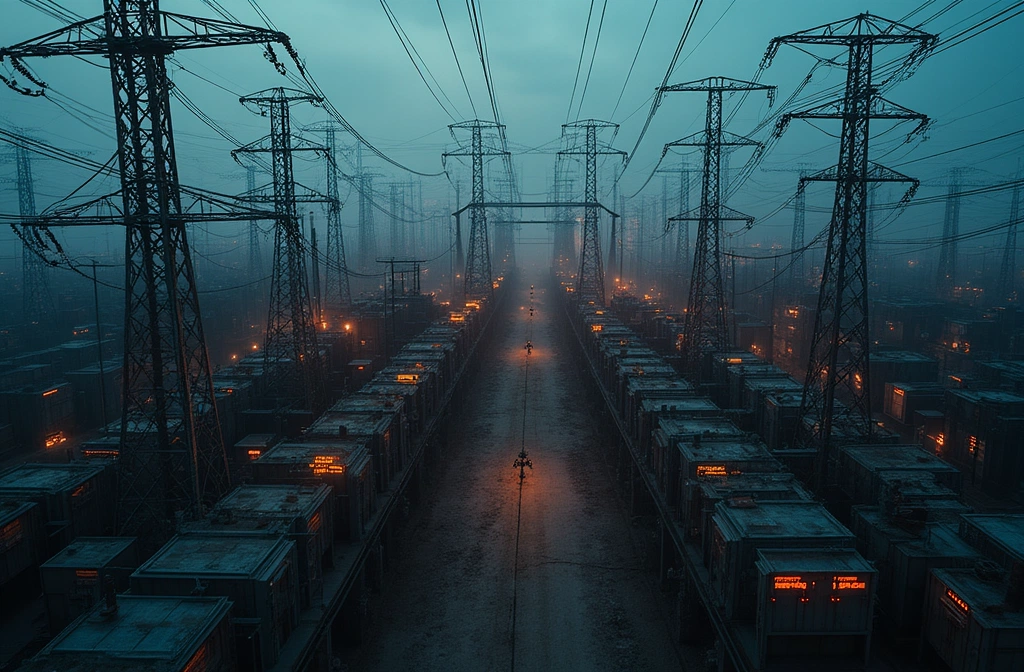
According to NaturalNews.com, American power consumption shattered records in 2025 and is projected to rise further. The report identifies a critical supply-demand problem: aging coal and natural gas plants are retiring faster than replacement capacity is being built. Demand drivers include AI data centers, cryptocurrency mining, and electrification of vehicle fleets—all competing for limited grid capacity.
Why this matters: A grid stretched thin operates with reduced margins for error. When reserves drop, even routine maintenance or weather disruptions can cascade into regional blackouts. The U.S. power infrastructure was built for peak demands of previous decades; the current surge in consumption outpaces grid modernization timelines.
This is not a new vulnerability—it's an accelerating one. The gap between retiring baseload generation and new capacity coming online creates a structural risk window. Data center demand alone is reshaping regional power markets, particularly in states with older transmission infrastructure.
What to watch: Monitor two indicators closely. First, watch regional reserve margins reported by grid operators (NERC publishes these quarterly). Margins below 15% signal elevated stress. Second, track retirements of coal and gas plants—particularly in the Southeast and Midwest—against announced renewable and nuclear projects. Widening gaps suggest tightening conditions.
The grid operates on real-time supply-demand balance. When supply cushion erodes, vulnerability to cascading outages increases, not because of a single failure but because the system has less tolerance for any disruption. Readers in areas dependent on aging baseload plants should understand local grid composition and consider whether household backup power aligns with realistic outage duration in their region.
This is infrastructure stress, not imminent collapse—but the trajectory matters more than the current state.
