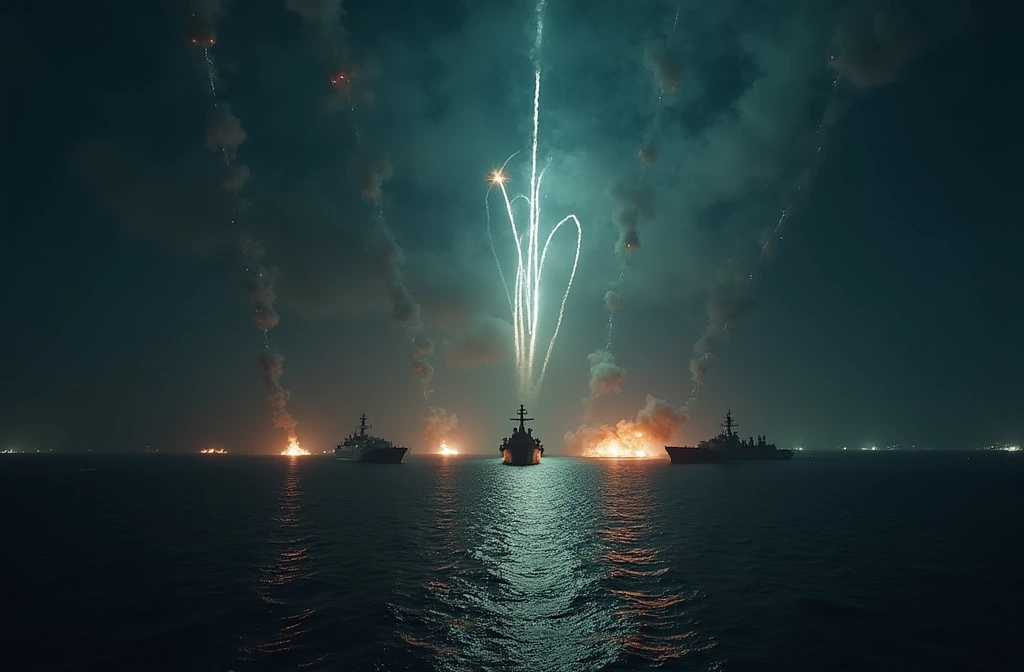
According to Reuters, the US and Iran have conducted new attacks centered on control of the Strait of Hormuz, one of the world's most critical chokepoints for global energy transit. Reuters reports that fresh volleys of missiles and drones were launched following President Trump's announced effort to help stranded tankers and other vessels navigate through the strait.
For preparedness analysis, this matters because the Strait of Hormuz handles roughly one-third of seaborne traded oil globally. Sustained conflict in this zone creates three cascading risks: (1) direct disruption to energy supplies feeding US refineries and power generation; (2) sharp commodity price spikes that stress supply chains for fuel, food, and manufactured goods; and (3) potential damage to maritime infrastructure that could restrict passage for weeks or months if critical installations are hit.
Tanker transit disruptions don't cause immediate blackouts, but they do stress fuel inventories at regional power plants. Extended restrictions compound over days and weeks as reserve stocks deplete—particularly acute during peak demand seasons. Households in energy-dependent regions (especially Northeast heating oil markets, diesel-dependent agriculture, and areas reliant on fuel-oil backup generation) face supply tightness well before any grid crisis occurs.
What to watch: Reuters reporting on whether additional naval assets are deployed to the region, whether tanker insurance premiums spike (a real-time market signal of perceived risk), and statements from Trump administration officials on rules of engagement. Any reports of infrastructure damage to oil terminals, pipelines, or desalination plants would signal escalation beyond air-to-air conflict.
This is an emerging situation with a single source. Severity remains low at this stage, but the Strait of Hormuz is a structural chokepoint—even brief disruptions create commodity market shocks that ripple through fuel availability within days.
