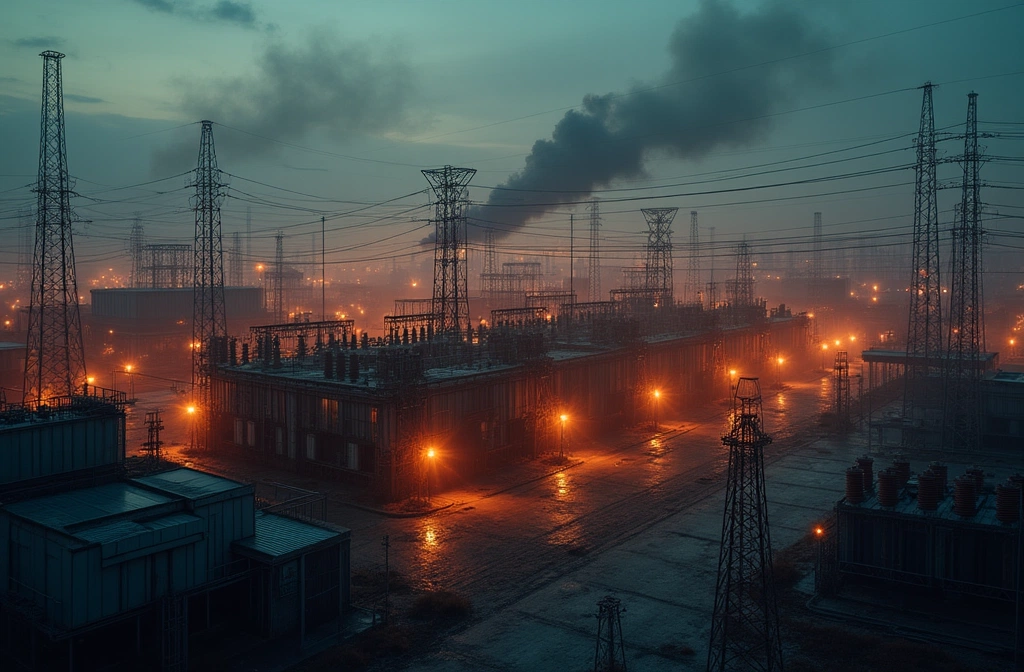
According to The Guardian, the US military launched its seventh consecutive night of strikes against Iran, with operations explicitly targeting electrical infrastructure alongside IRGC-linked military assets in the Strait of Hormuz region. Al Jazeera reports the strikes included attacks on Iranshahr airport and facilities the US claims support maritime attacks on commercial shipping.
The immediate consequence is measurable: Iran's energy ministry ordered citizens to reduce electricity and air-conditioning use following strain on the power grid caused by these strikes, according to The Guardian. This is not theoretical grid stress—it's active rationing of a civilian population.
Why this matters: Direct targeting of electrical infrastructure represents escalation beyond military assets. When power grids degrade under sustained pressure, cascading failures become possible—water treatment can fail, communications weaken, supply chains stall. The fact that Iran felt compelled to publicly order conservation suggests grid reserves are genuinely compromised, not merely damaged.
For infrastructure analysts, the pattern is worth tracking: seven consecutive nights of the same targeting category (power systems) indicates systematic degradation, not surgical strikes. Al Jazeera notes that analysts express concern the conflict "could spiral out of control," though the publication does not elaborate on specific escalation triggers or timelines.
What to watch: Monitor whether rationing orders expand (hospitals, industry next) or persist beyond the immediate strike period. Grid recovery timelines will indicate damage severity. Watch for Iranian response targeting regional energy chokepoints—the Strait of Hormuz remains the stated theater. Secondary indicators include shipping delays, insurance adjustments for transit through the region, and statements from neighboring nations on energy security impacts.
This is not yet a regional blackout scenario, but it is the first clear evidence that grid-level infrastructure has moved from secondary to primary targeting priority. That's a threshold worth noting.
