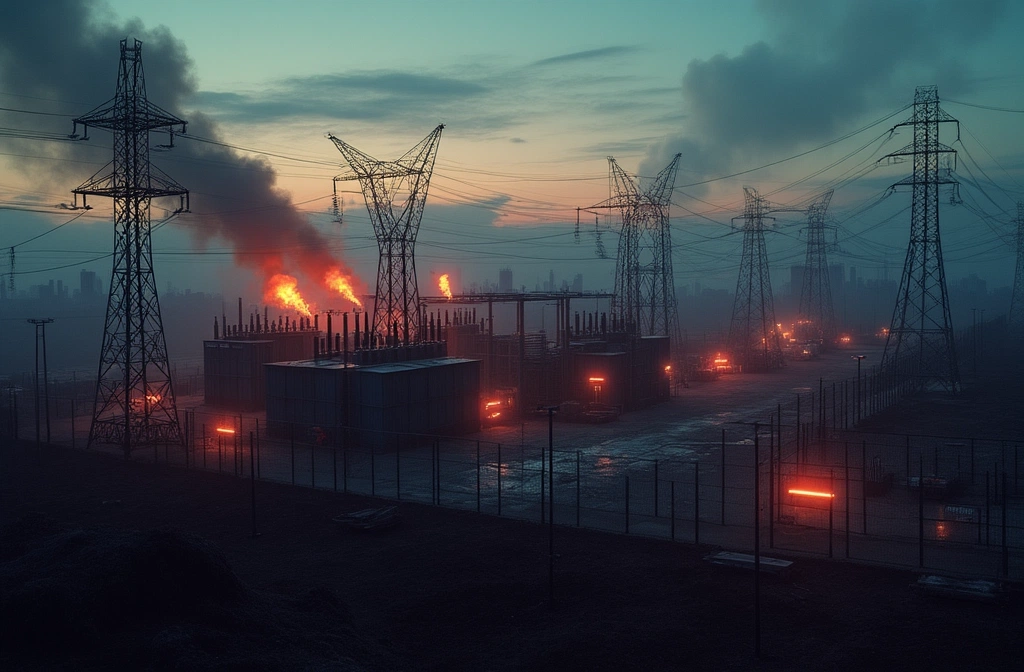
The Guardian reported that US strikes have expanded to target Iranian bridges, energy facilities, and a key port. In response, Tehran has struck US allies across the Middle East and issued directives for Iranians to cut electricity use, suggesting possible damage to power generation or distribution capacity.
This matters because energy infrastructure attacks create cascading vulnerabilities. When a government asks civilians to voluntarily reduce consumption, it typically indicates either actual damage to capacity or concern about it. Grid stress—whether real or precautionary—can propagate beyond immediate conflict zones through interconnected regional systems, affecting availability and stability for civilians and critical services.
The targeting of bridges and ports compounds the picture: these are dual-use nodes that support both civilian logistics and military supply chains. Damage to energy systems combined with transport infrastructure constraints can degrade medical facilities, water treatment, fuel distribution, and communications—not immediately catastrophic in most cases, but significant for vulnerability and response capacity.
What to watch: Monitor whether Iran's power-conservation directive escalates or becomes permanent, whether regional allies report grid incidents, and whether the conflict expands to target additional generation or transmission nodes. Historical power grid incidents (2015 Ukraine blackout, 2019 Saudi Aramco strikes) show that energy infrastructure rebounds over weeks to months, but the window of reduced capacity creates real operational strain on hospitals, water systems, and supply chains.
For readers: Confirm your household water storage (municipal systems depend on grid power for pumping), verify backup power for any medical equipment, and review local fuel reserves if you depend on electricity-dependent heating or cooling. This is proportional precaution for an emerging regional conflict with documented energy infrastructure targeting—not panic preparation, but realistic acknowledgment of demonstrated risk.
