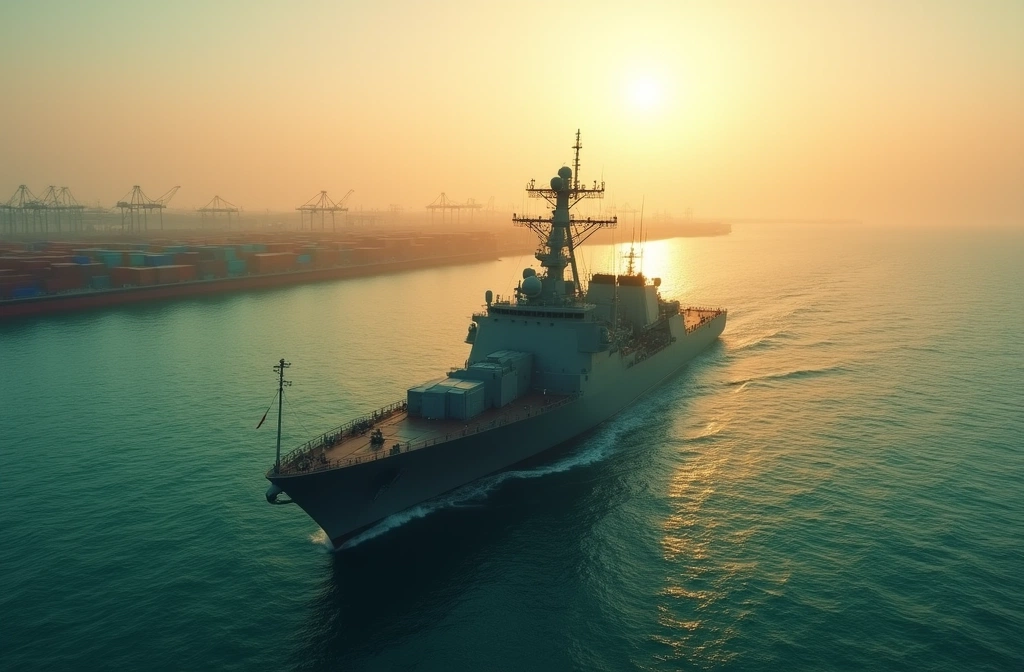
President Trump stated that the US naval blockade will 'remain in full force' until negotiations with Iran are complete, according to Al Jazeera reporting on April 18. In response, Iran has closed the Strait of Hormuz—a critical chokepoint through which roughly 20% of global oil transit normally flows. Al Jazeera also reported that two Indian ships crossing the Strait of Hormuz came under fire during this closure.
Simultaneously, a separate Al Jazeera report noted that tens of thousands of people displaced by Israeli military operations in Lebanon used a ceasefire to begin returning home—a signal of temporary de-escalation in one theater while tensions remain elevated in the Persian Gulf.
For infrastructure and energy preparedness, this matters directly. Extended Hormuz closures have historically created volatility in global crude markets and can cascade into refined fuel supply constraints within weeks. Merchant vessel interdiction elevates maritime insurance costs and may cause rerouting delays that extend supply chains further. If the blockade persists while Iran maintains Strait closure, global LNG markets may see price spikes and selective scarcity in regions dependent on Middle Eastern crude.
For household preparedness, this is a watch-not-panic moment. Energy prices and availability could see upward pressure, but markets have mechanisms to absorb short-term disruptions. The more relevant indicator is duration: if either the blockade or Hormuz closure extends beyond 30-60 days without diplomatic resolution, refined fuel inventories in the US and Europe will begin showing strain.
What matters next is whether negotiations produce a framework within weeks, or whether these closures harden into sustained positions. Watch for OPEC statements on reserve deployment and for refineries to signal shift to lighter crude processing—both would indicate markets are pricing in extended supply constraints.
