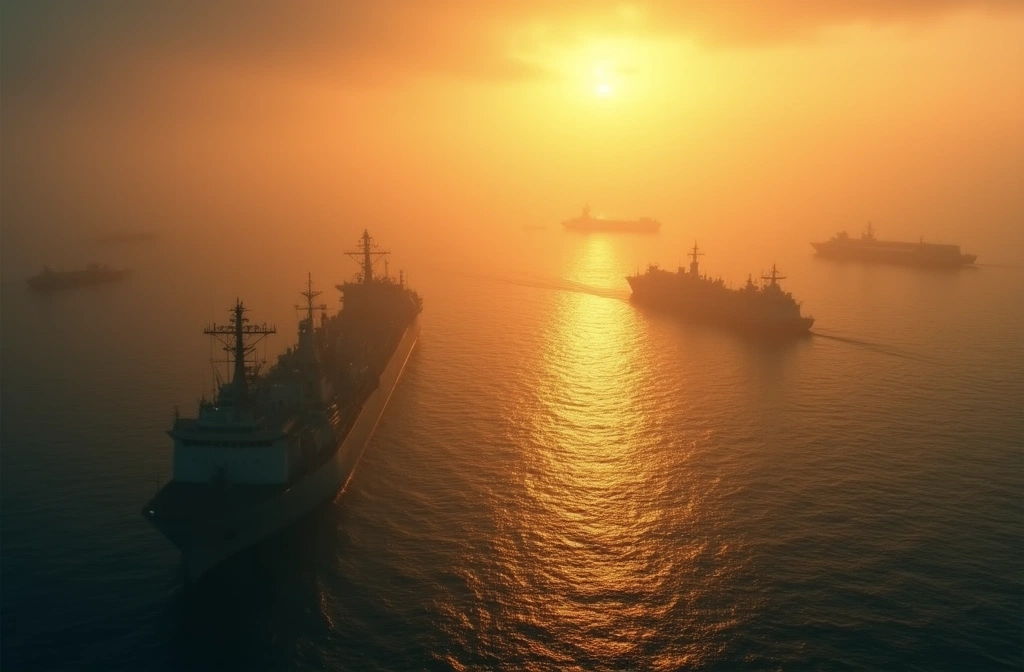
According to Al Jazeera, the United States has implemented a naval blockade at the Strait of Hormuz beginning Monday at 14:00 GMT. Iran's armed forces characterized the action as 'an illegal act' that 'amounts to piracy,' signaling outright rejection of the measure.
The blockade appears designed to tighten economic pressure on Iran as part of ongoing US-Israel operations. Al Jazeera's reporting notes that the US is attempting to 'squeeze the Iranian economy' through this naval enforcement.
Why this matters: The Strait of Hormuz is a critical chokepoint for global energy flows. Any sustained disruption—whether through blockade enforcement, Iranian counter-action, or miscalculation—carries direct consequences for oil markets, shipping insurance, and energy prices. For prepared households and businesses, this signals potential volatility in fuel costs and supply-chain friction in the near term.
Iran has demonstrated resilience under previous US sanctions regimes, according to Al Jazeera's assessment that 'Iran has become accustomed to US sanctions and has continued' operating. This suggests Tehran may attempt workarounds—alternative shipping routes, sanctions-evasion networks, or barter arrangements—rather than capitulate.
What to watch: Monitor whether Iran attempts to challenge the blockade militarily, whether allied shipping diverts around the Cape of Good Hope (extending delivery timelines and costs), and whether insurance premiums for Hormuz transit spike sharply. These indicators will signal whether this remains a containment measure or escalates into active maritime confrontation. Track commodity markets and shipping indices for early signs of sustained economic friction.
The fact that Iran has framed this as 'piracy' rather than a legitimate military action suggests diplomatic room may exist—but also indicates Tehran views the blockade as illegitimate and may not accept it passively.
