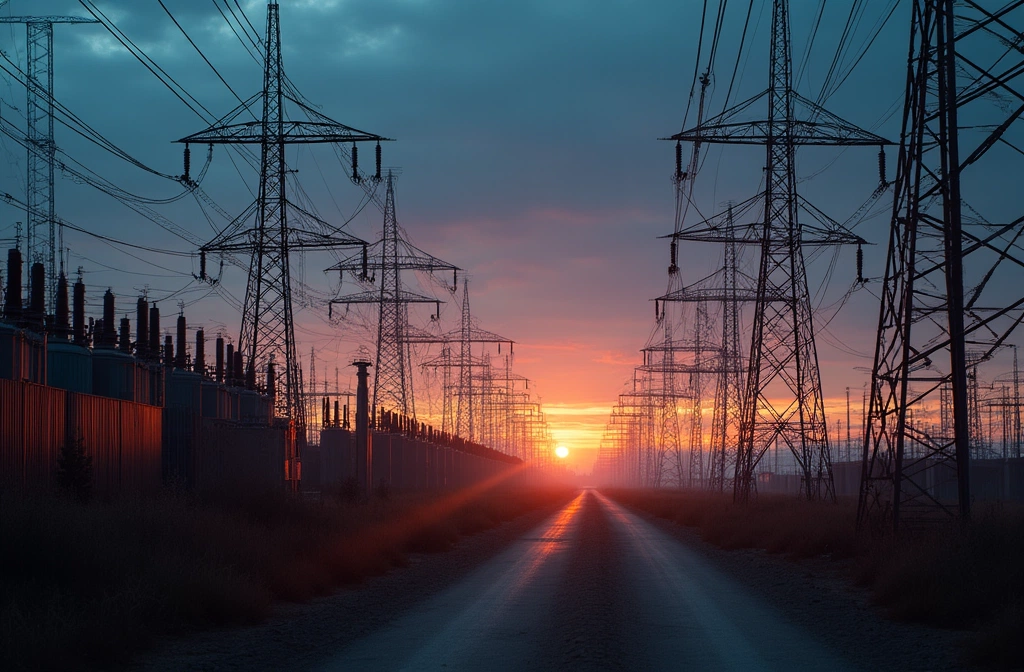
According to OilPrice.com, U.S. electricity demand is projected to reach record levels in 2026 and 2027, with the primary driver being rapid expansion of AI and Big Tech data centers. This represents a structural shift in load profile — not cyclical seasonal demand, but sustained, concentrated consumption tied to a single sector's infrastructure buildout.
Why this matters: The grid is designed with reserve capacity buffers. When demand concentrates in specific regions (where data centers cluster for fiber access, cooling water, and existing transmission), local capacity constraints can emerge even if the national system has theoretical headroom. Peak-demand scenarios — summer afternoons, concurrent HVAC load plus data center operations — create bottleneck conditions that force utilities to manage load or activate aging peaking capacity.
Data centers operate continuously, unlike residential or commercial loads that fluctuate. This flattens the traditional valley-to-peak demand curve, reducing the grid's ability to cycle generation up and down efficiently. Aging coal and nuclear plants that provided this flexibility are retiring faster than replacement capacity comes online.
The risk is not grid-wide blackout from a single event, but rather increased frequency of localized congestion, rotating demand management, and stress on transmission corridors serving data center clusters. This also tightens margins for absorbing disruptions — weather events, equipment failures, or transmission line outages that the grid previously had buffer capacity to absorb.
Secondary concern: Data center electricity demand typically requires high-quality, stable power. Utilities may prioritize feed to these loads, which could shift blackout risk to other sectors during constraint periods. Preparedness-aware readers in regions with dense data center development (Northern Virginia, Texas, Pacific Northwest) may face higher frequency of power events in coming years.
Watch for: Utility filings with state regulators requesting accelerated transmission upgrades, emergency peaking plant reactivations, or demand-response program expansions targeting industrial/commercial loads.
