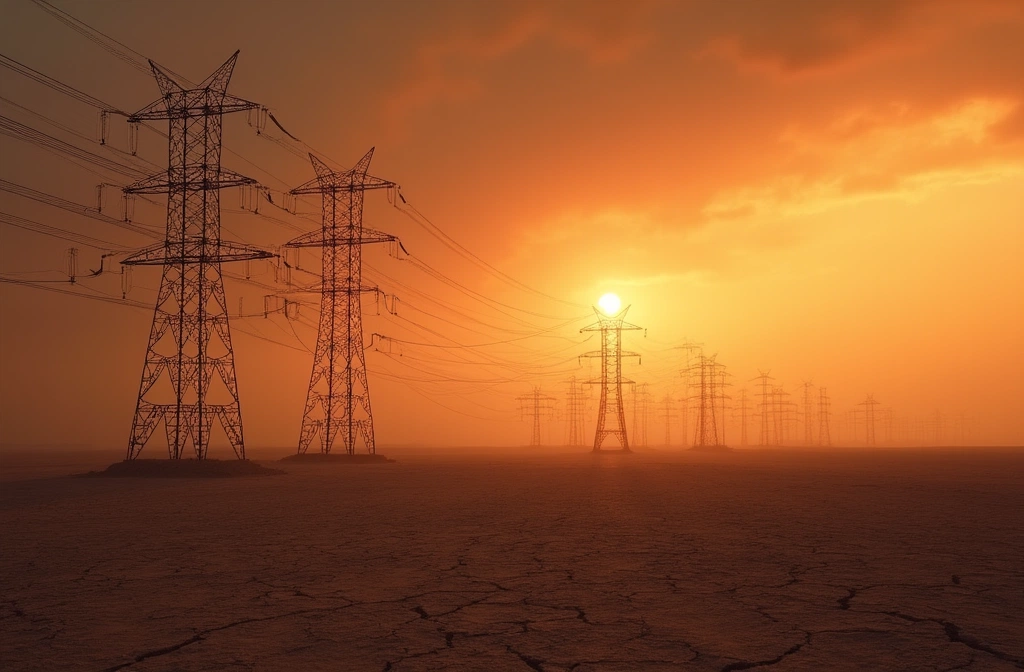
According to Bloomberg, US power grids are experiencing significant strain from two concurrent pressures: extreme heat across multiple regions and a surge in electricity demand from data centers supporting AI infrastructure. Both demands operate simultaneously—heat waves drive residential and commercial cooling loads at peak, while data centers require continuous, baseline power consumption that doesn't fluctuate with time of day or season.
The timing overlap creates a compounding stress condition. During peak heat events, grids designed for traditional demand curves face loads they weren't built to absorb. Data center proliferation adds predictable but massive constant-load pressure on top of that volatility.
Why this matters: Grid reliability depends on maintaining balance between generation capacity and real-time demand. When both variables push upward simultaneously, margins narrow. Stressed grids become more vulnerable to cascading failures—a single transmission line failure or generator outage can trigger wider blackouts when spare capacity is minimal.
This is not a localized issue. Bloomberg's reporting indicates back-to-back heat waves affecting multiple grids across the US, not isolated regions. That breadth matters for interdependent systems: Eastern and Western interconnects can buffer each other under normal conditions, but if stress is distributed nationwide, that buffer capacity shrinks.
Data center electricity demand is structural and growing. Unlike seasonal heat spikes that recede, this load is permanent and expanding. It represents a baseline shift in grid requirements—utilities must plan for sustained higher consumption, not temporary peaks.
What to monitor: Watch for grid operators issuing demand-reduction notices, conservation alerts, or rotating outage warnings during the next heat event. These are leading indicators of grid stress approaching operational limits. Track whether utilities announce transmission upgrades or generation additions in response—if nothing is announced, it suggests either no problem is perceived or planned capacity additions are years away. Either answer tells you something important about grid trajectory.