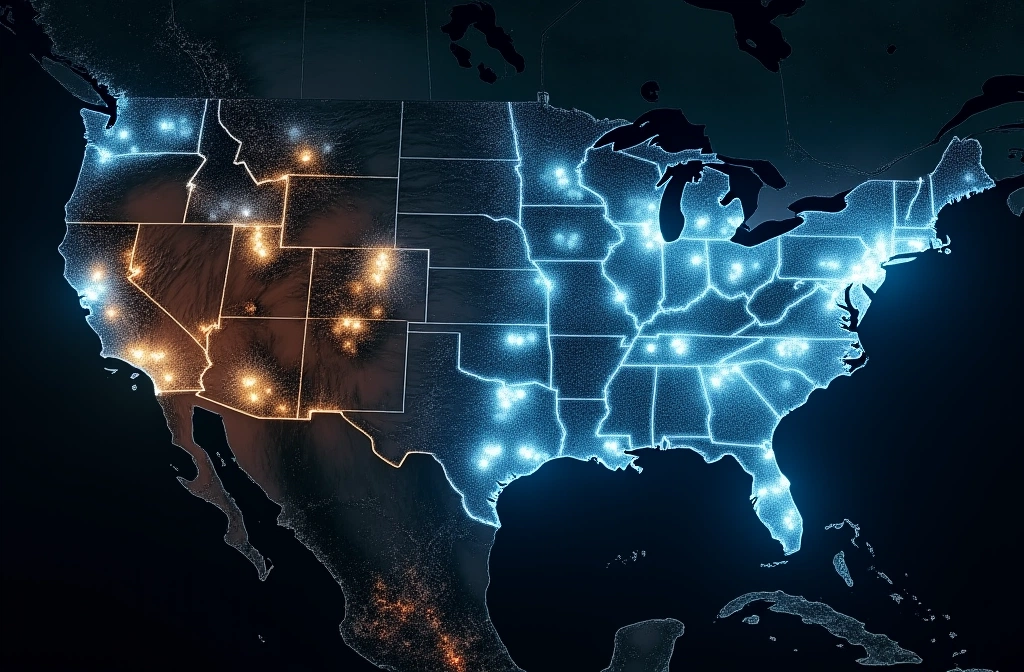
The structural reality of America's electrical infrastructure is stark: it is not a single coordinated system but three separate grids. According to Fortune reporting, this division has direct implications for blackout response and grid resilience.
The core problem is one of coordination and capacity. During an outage, only electricity that exceeds operational safety thresholds can realistically be diverted to help neighboring grids. Fortune's reporting makes clear that this excess capacity is limited—and that identifying and routing available power requires decisions made in real time, before a blackout event occurs.
This matters because the current structure introduces friction into emergency response. Power-sharing between grids isn't automatic; it requires pre-arranged logistics and rapid decision-making. When a major outage hits, there's no time to negotiate arrangements. The groundwork has to exist beforehand—and Fortune's reporting suggests it may not be as robust as the single-grid model would allow.
The seasonal context is important. Blackout season—typically driven by extreme weather, summer demand peaks, or winter storms—puts maximum stress on grids already operating near safety thresholds. When margins are thin, the ability to quickly share power between grids becomes critical to preventing cascade failures. A fragmented system where power-sharing logistics aren't pre-arranged introduces lag precisely when speed matters most.
What this signals: the U.S. power grid's three-way division isn't a design flaw that's being fixed. It's structural. It means that during the next major outage event—whether triggered by weather, equipment failure, or other causes—the response will depend on whether inter-grid coordination was pre-negotiated and is executable under stress.
WATCH: Monitor whether grid operators publish or update emergency power-sharing protocols. Pay attention to reports of near-miss events or load-shedding decisions during peak demand periods. These will indicate whether the current coordination model is holding under pressure.
