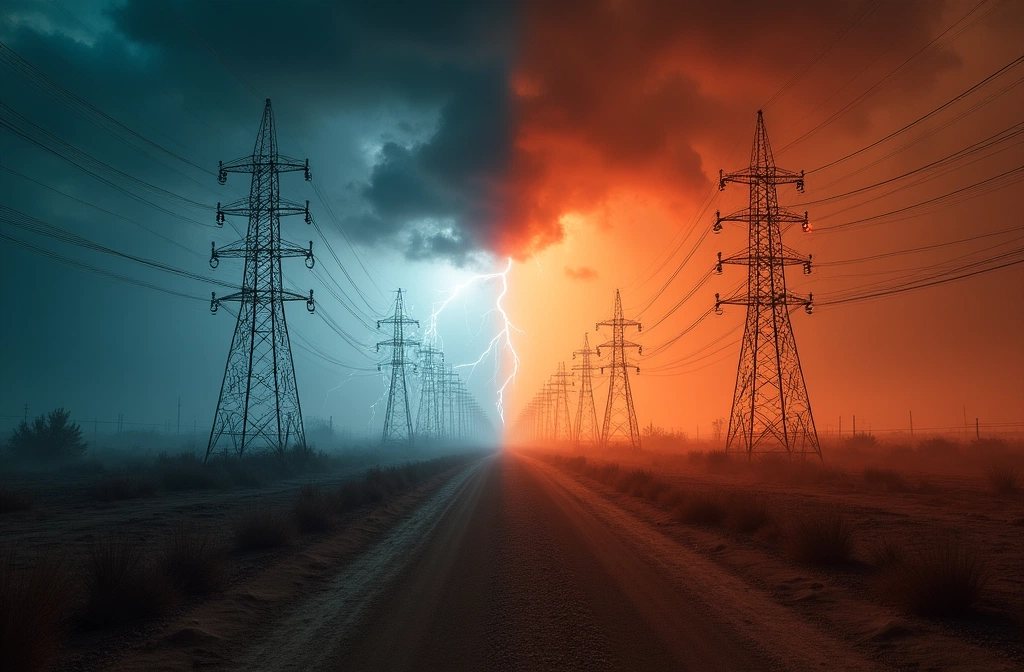
Multiple reporting outlets confirm a pattern of escalating power disruptions tied to weather stress. Newsweek has published analysis mapping outage frequency across US regions, while Climate Central documents rising weather-related blackouts and heat-season vulnerabilities. Scientific Reports (Nature) released multi-year analysis showing compound weather events—heatwaves combined with other conditions—correlate with increased outage frequency.
Regional weakness is acute: The Texas Tribune reports ongoing mass outages in Texas, attributing them to systemic grid challenges. California's PG&E utility has experienced major blackouts that the Los Angeles Times describes as exposing fundamental grid vulnerabilities. The Denver Post reported that a recent blackout demonstrated the power grid's continued susceptibility to failure.
Recent tactical incidents support the trend. On April 10, 2026, Ukraine's Ukrenergo announced rolling blackouts across all regions. Cuba faced severe outages following the Antonio Guiteras thermoelectric plant breakdown. In Canada, nearly 1,400 residents in Robson Valley lost power. Nigeria planned grid modernization outages affecting seven northern states from April through May 2026.
What this means: Major US grids lack sufficient redundancy to handle compound stress—simultaneous heat, demand surges, and infrastructure strain. Utilities like Consumers Energy and FirstEnergy manage live outage tracking, indicating frequency warrants dedicated monitoring infrastructure.
For preparedness: This is infrastructure aging meeting climate volatility. The pattern suggests:
Regional risk mapping: Identify which utility serves your area (Consumers Energy, FirstEnergy, PG&E, ERCOT/Texas grid). Track their published outage maps and incident reports.
Baseline readiness: Maintain 7-14 days of water, non-perishable food, battery-backup power (portable solar or lithium bank), and medication independent of electrical refrigeration. This is proportional to risk, not speculative.
Monitor seasonal windows: Heat season (May-September) correlates with higher outage probability based on the Climate Central reporting. Update prep status before that window opens.
No single event signals imminent grid collapse. This is infrastructure stress becoming structural—manageable with preparation, dangerous without it.