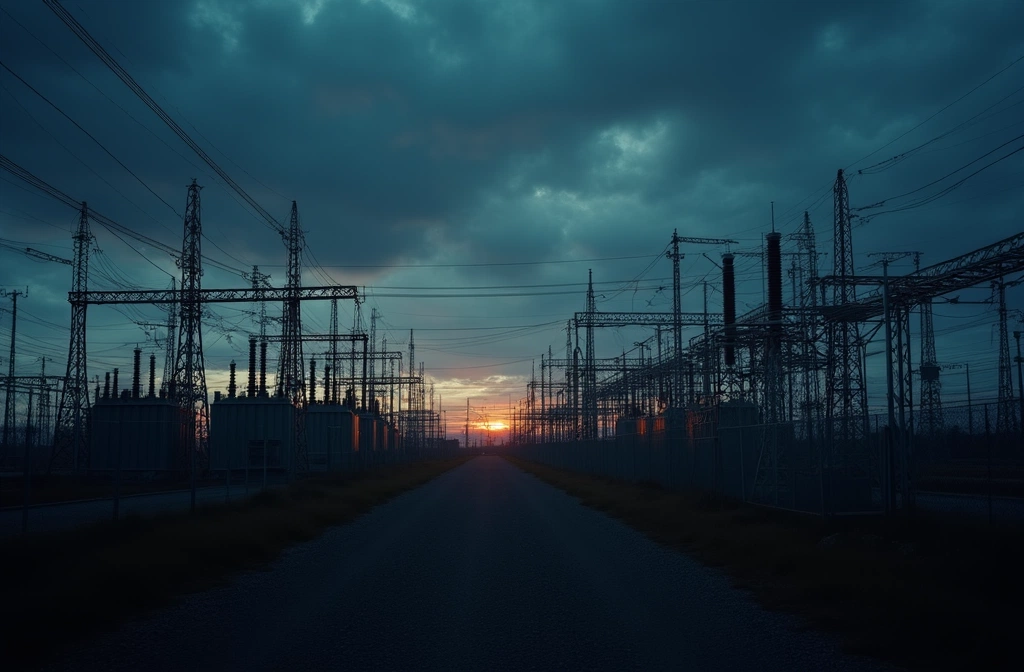
According to reporting in Utility Dive, the U.S. government has reoriented its cybersecurity strategy away from prevention and toward resilience. This statement—attributed to the acting CISA chief—represents a significant acknowledgment: preventing all critical infrastructure compromise is no longer the operational assumption.
Why this matters: For decades, federal cybersecurity doctrine centered on hardening defenses and preventing intrusion. That model assumed disruptions could be avoided through sufficient investment and vigilance. The shift to a resilience-first posture suggests policymakers now view breaches and outages not as edge cases, but as baseline planning assumptions.
This reorientation could mean several things in practice: increased focus on rapid recovery protocols rather than perimeter defense, investment in backup systems and manual workarounds, and a realistic acceptance that some critical services—power distribution, water treatment, communications—may experience temporary loss of function.
The implications cascade. Utilities may reduce spending on prevention-focused cybersecurity in favor of redundancy and failover systems. Supply chains for critical parts may be repositioned or hardened separately. Organizations that still operate under a "prevention is possible" model may find themselves unprepared when disruptions occur.
For preparedness-minded individuals and organizations, this official shift is a practical signal: the government's own agencies are no longer betting on uninterrupted service. That should inform your own planning assumptions about grid stability, communications availability, and the need for household-level resilience measures.
What to watch: Monitor whether this rhetorical shift translates into visible changes in critical infrastructure investment priorities, emergency response protocols, and public-private partnership announcements. A shift in doctrine without corresponding resource reallocation often signals budget constraints, not strategic confidence.
