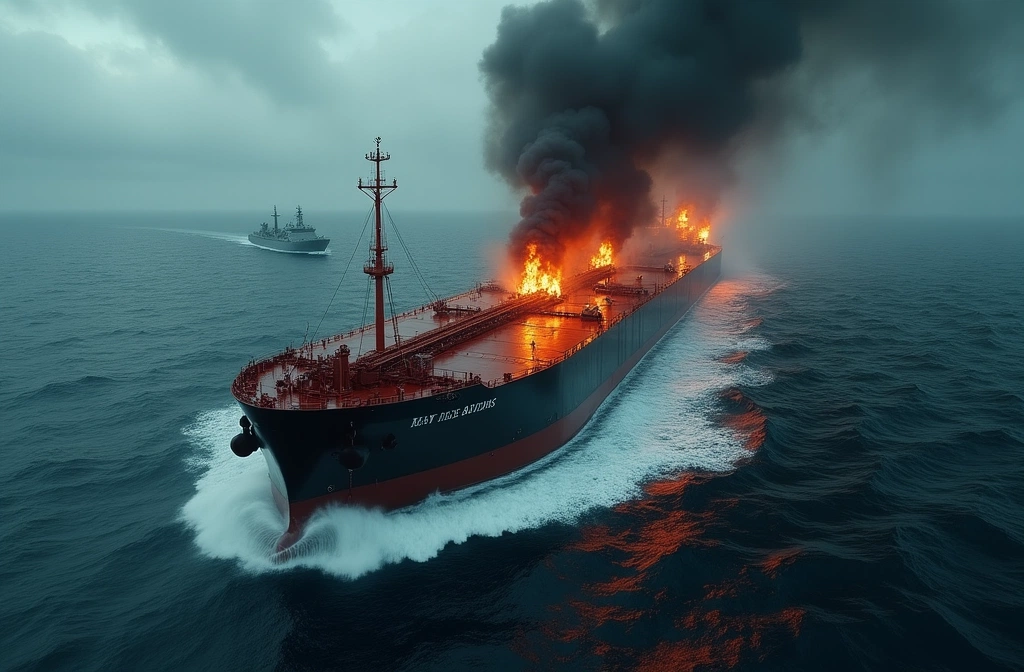
According to CNBC reporting, the U.S. military has struck two Iran-flagged oil tankers in what the outlet characterizes as an attempt to enforce a blockade against Iranian oil shipments. This action occurs within a broader pattern: CNBC reports the ceasefire between the U.S. and Iran has been "repeatedly undermined this week," even as President Donald Trump publicly maintains the agreement remains active.
Why this matters for preparedness: Escalating U.S.-Iran tensions directly threaten global energy markets and regional stability. Oil tanker strikes—whether confirmed or disputed—signal willingness to use force beyond diplomatic channels. For infrastructure-dependent readers, energy supply disruptions ripple fast: fuel availability, heating oil, diesel for generators and backup systems, and downstream effects on transportation and grid stability. A destabilized ceasefire also increases the risk profile for broader conflict, which could trigger secondary infrastructure impacts including communications disruption, supply chain friction, and potential targeting of critical systems.
The "shaky ceasefire" language from CNBC is significant. It suggests the agreement was fragile to begin with—vulnerable to tipping points. Tanker strikes, port actions, and blockade enforcement are measurable escalation vectors, not rhetorical posturing. If these incidents continue, they may indicate a pattern of deliberate pressure rather than isolated incidents.
What to watch: Monitor energy price signals and shipping insurance costs in the Persian Gulf region. These move before kinetic escalation and reflect market assessment of risk. Watch for official statements from the U.S., Iran, or regional actors clarifying the tanker strikes—confirmation or denial will tell you whether this is one-off enforcement or part of a broader campaign. Also track any statements from Trump administration officials on ceasefire status; public disagreement between officials signals internal policy instability.
Historically, tanker strikes and blockade enforcement have preceded broader regional conflicts. The vulnerability of energy infrastructure in chokepoint zones (Strait of Hormuz proximity) means even contained skirmishes can trigger outsized economic and logistical consequences. Current conditions suggest monitoring rather than immediate action—but not complacency.
