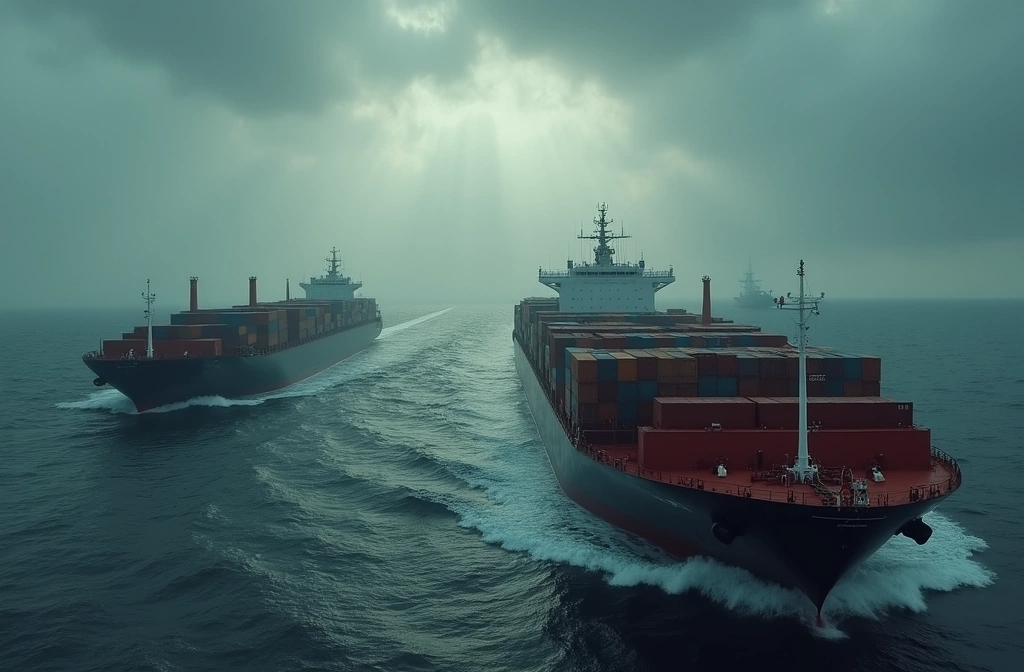
The U.S. is issuing formal warnings to shipping companies regarding sanctions risk if they pay Iran for passage through the Strait of Hormuz, according to AP News. The warning targets a core vulnerability in global maritime commerce: approximately one-third of all seaborne traded oil transits this waterway, and Iranian entities have positioned themselves as toll collectors on this passage.
This move appears designed to disrupt Iranian revenue streams while simultaneously pressuring commercial operators into operational dilemmas—comply with U.S. sanctions policy or accept Iranian demands for payment. The practical effect is to raise friction costs on a system already stressed by geopolitical tension.
For infrastructure-aware readers, the significance lies in what this reveals about maritime chokepoint vulnerability. The Strait of Hormuz is a single geographic dependency for global energy logistics. When state actors can credibly extract payments or create sanctions compliance uncertainty, it introduces instability into commodity pricing, insurance markets, and shipping route economics.
Shipping companies now face a choice architecture with no clean exit: pay Iran and risk U.S. sanctions exposure, or reroute around the Strait at significant cost and time penalty. Either path introduces friction into global supply chains.
What matters next is observable shipping pattern data. Watch for: (1) changes in vessel routing to longer alternate passages, (2) shifts in insurance premiums for Hormuz transits, (3) any disruptions to LNG or crude shipments from the Persian Gulf, and (4) statements from major oil producers about their own logistics responses. These indicators will signal whether the warning is creating measurable behavioral change or whether commercial shipping is absorbing the risk.
This is a pressure campaign in real time, and its effectiveness will show in shipping manifest data and commodity futures markets before it appears in headlines.
