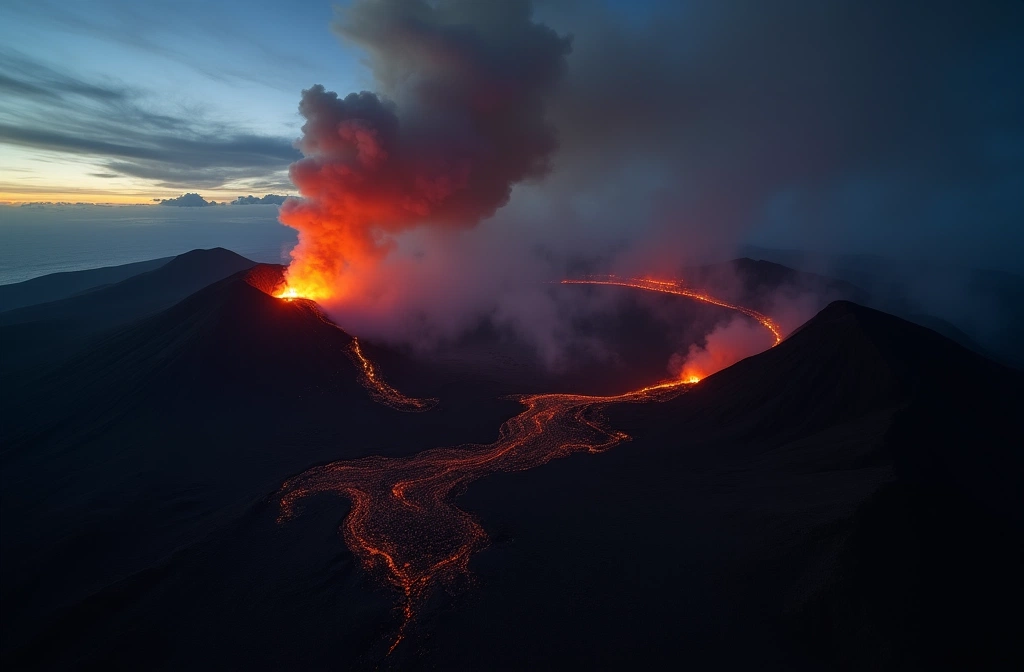
The USGS has issued a Volcano Watch for Kilauea Volcano on the Big Island of Hawaii, according to reporting on the alert. A Volcano Watch represents elevated unrest; the alert structure suggests that a Volcano Warning — indicating hazardous eruption is imminent or underway — could follow.
For preparedness purposes, the distinction matters: Watch status triggers intensified monitoring and contingency planning. Warning status triggers evacuation protocols and active emergency response.
Kilauea's geography compounds concern. The volcano sits in the central Pacific on densely populated terrain. Previous eruptions have disrupted air travel, contaminated water supplies (volcanic gases react with moisture to form acidic vog), and displaced communities. Infrastructure—roads, power lines, communications nodes—can be severed by lava flow or ashfall.
A volcanic event at Kilauea's scale does not directly threaten mainland U.S. grid infrastructure, but it can affect regional logistics, supply chains, and emergency response capacity for the Hawaiian Islands. Air quality degradation from volcanic sulfur dioxide can persist for weeks and impact health systems.
The Watch designation signals USGS geologists are observing real changes—seismic activity, ground deformation, or gas emissions. The statement that Warning upgrade is "likely" suggests those changes are being interpreted as precursors, though no source provided here specifies the current threshold or timeline for that upgrade decision.
What to watch: USGS will issue detailed updates through its Hawaiian Volcano Observatory. Pay attention to any shift in language from Watch to Warning, changes in evacuation zone boundaries, and National Weather Service alerts for volcanic ash or vog. If you live or work on the Big Island, ensure you have current evacuation routes mapped and emergency supplies staged—not from panic, but from standard preparation discipline.
