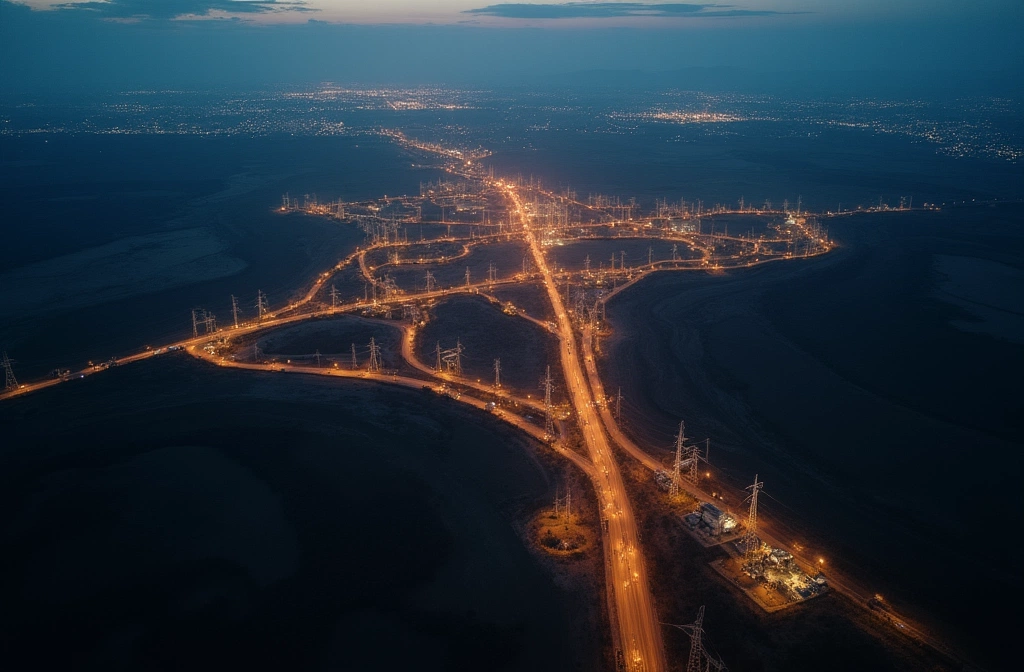
According to Tempo's fact-check analysis, claims of an imminent 9-day global blackout beginning July 18 have no official basis. The narrative appears to have circulated as speculative content without substantiation from grid operators, governments, or scientific institutions.
Tempo's analysis identifies a key structural fact: the world's power grid is not integrated into a single unified system. Instead, each country or region manages its grid independently. This decentralization is precisely why a synchronized global blackout cannot be triggered by coordinated human action—it would require infrastructure convergence that does not exist.
The fact-check notes that a disruption of the scale claimed could only result from an extraordinary cosmic phenomenon, not from concealed government or scientific coordination.
Why this matters: The viral claim itself has low credibility and requires no emergency response. However, the underlying grid structure Tempo describes—independent regional systems with no single point of global failure—is the actual baseline of our infrastructure. This fragmentation has real implications.
Regional blackouts remain realistic and localized. A major solar event, cyberattack on a regional grid operator, or cascading equipment failure in interconnected zones (like the Eastern Interconnect in North America) could still produce extended outages affecting millions without being "global."
The false alarm also highlights how misinformation spreads faster than corrections in preparedness communities. This particular claim appears designed to exploit anxiety about grid vulnerability—a legitimate concern—by manufacturing false specificity (a named date, a specific duration).
WHAT TO WATCH: Monitor established sources—NOAA's Space Weather Prediction Center, NERC alerts, and regional utility notices—for actual threat indicators. Grid resilience remains uneven across regions. False narratives with specific dates are often traceable to low-credibility sources; apply source verification before amplifying.
