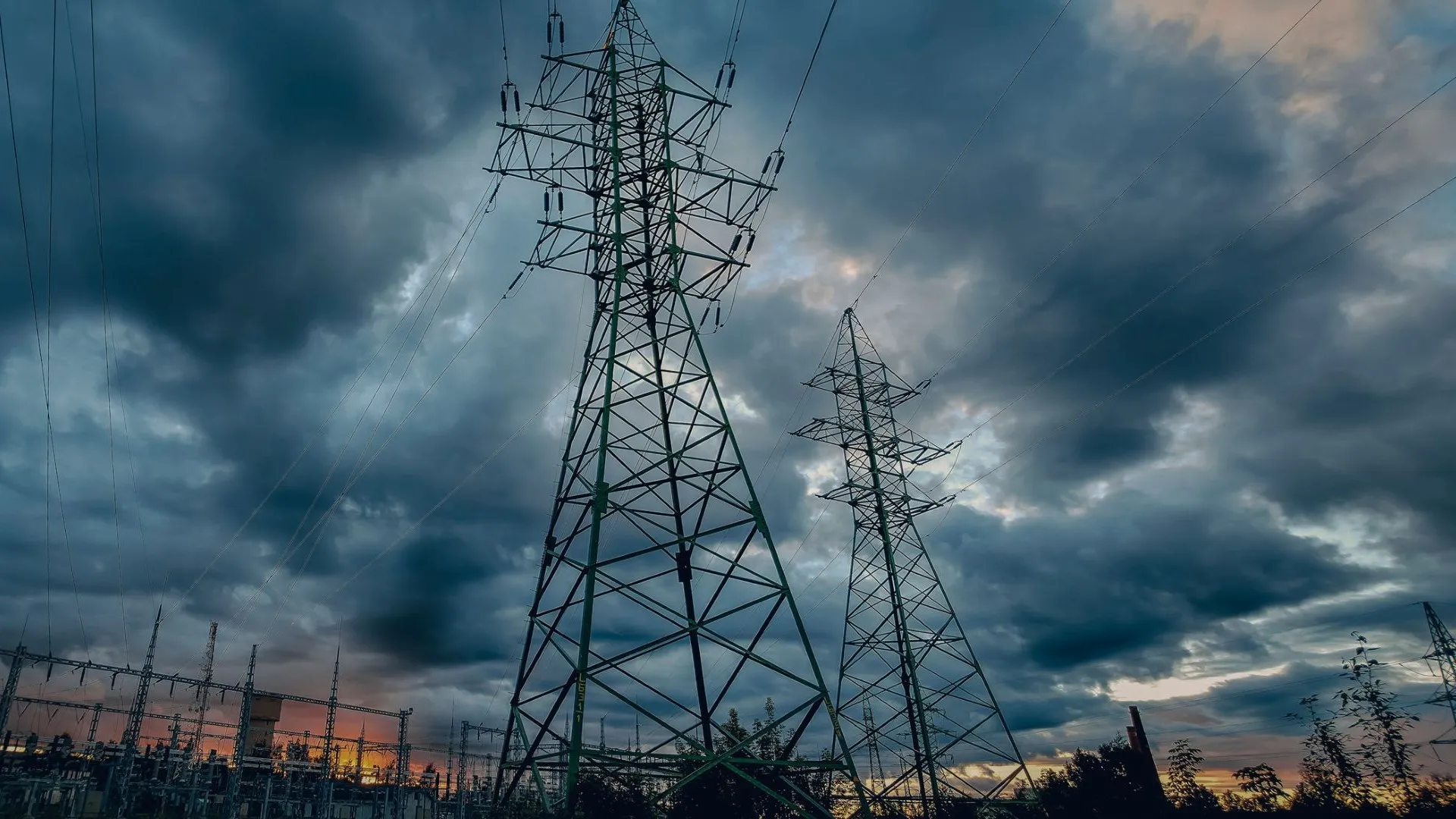
According to Climate Central analysis, weather-related power outages jumped approximately 78% in the 2011-2021 decade compared with 2000-2010. That trend signals a widening gap between grid resilience and the operational stress it now faces from longer, more erratic storm seasons.
This matters because the U.S. electrical infrastructure was built incrementally over decades—much of it designed for historical weather patterns, not current or future ones. Longer storm seasons mean extended periods of high-impact weather events. More erratic patterns mean less predictability for grid operators managing load, routing, and contingency planning. The result: cascading outages that affect water treatment, medical equipment, heating/cooling, food preservation, and communications.
The 78% increase isn't a one-time spike. It reflects a structural trend: aging generation and transmission assets meeting climatic volatility they weren't engineered to handle. Regional grids have added some hardening measures, but deployment is uneven and often reactive rather than anticipatory.
What this tells us: The grid's vulnerability window is now. Not in a theoretical future scenario—in the operational reality utilities are already managing. Backup generation capacity, demand response protocols, and distributed energy resources are growing, but not fast enough to match the acceleration in outage frequency.
For preparedness planning, recognize that extended blackouts are no longer edge-case scenarios in weather-prone regions—they're becoming routine. Single-day and multi-day outages will likely increase in frequency and unpredictability. Grid operators and utilities are aware and working on solutions, but institutional inertia, funding constraints, and interconnection complexity mean gains will be measured in years, not months.
Watch for utility announcements on microgrids, battery storage deployment, and grid-hardening timelines in your region. These are leading indicators of how seriously your local infrastructure managers view the risk.
