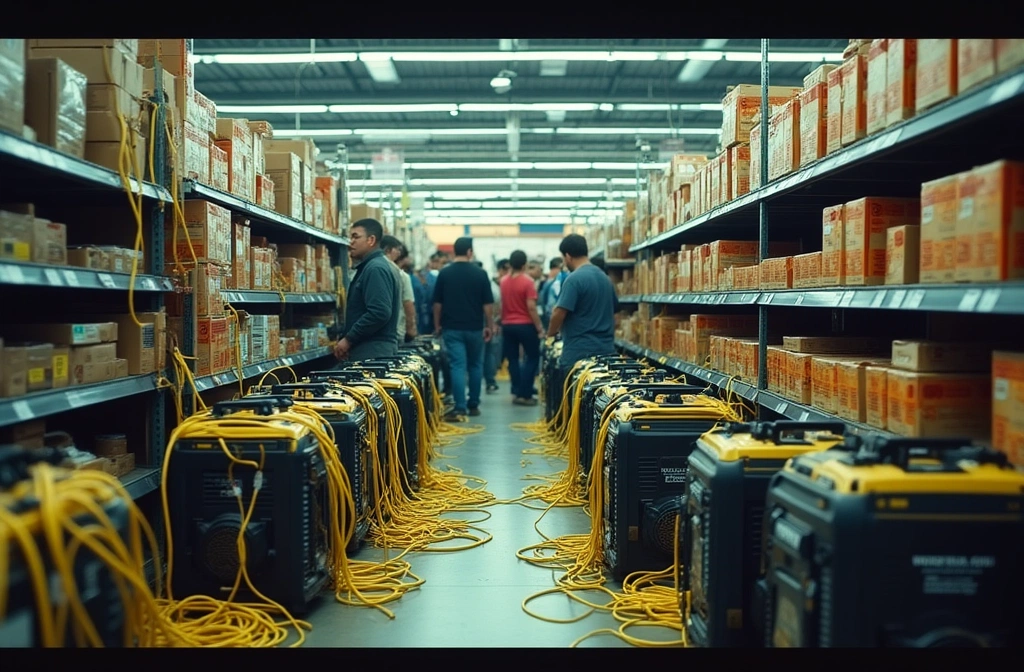
Severe storms moving through West Virginia this week caused flooding, downed trees, and widespread power outages, forcing some residents to rely on generators for days at a time, according to reporting from WSAZ. The extended duration of outages—rather than brief interruptions—shifts the risk profile significantly. Prolonged generator operation increases exposure to three critical failure modes: carbon monoxide accumulation in shelters due to improper placement or ventilation, fuel supply miscalculation leading to sudden loss of backup power, and electrical hazards from wet conditions combined with portable generator operation.
For preparedness analysis, this event highlights a persistent gap in public readiness: most households acquire generators reactively after grid failure, then operate them under emergency stress without baseline safety protocols established. The combination of storm damage (downed trees creating clearing hazards, wet environments increasing electrical risk) and sustained outage duration (multiple days, not hours) creates compounding exposure.
The systemic risk here extends beyond individual safety. Hospital backup systems, water treatment facilities, and communications infrastructure all depend on generator chains of supply. If regional fuel delivery is disrupted by the same storms causing outages, secondary failures cascade. Hospitals may face fuel rationing; water systems may lose pump capacity; communications towers may go dark in sequence as backup fuel depletes.
West Virginia's terrain—rural, forested, with limited redundancy in transmission lines—means localized storms can create infrastructure isolation that urban grids might absorb. Extended outages in rural areas are also less visible to regional emergency management, potentially delaying resource allocation.
What to watch: Reports of generator fuel shortages in affected regions, secondary outages at critical infrastructure (hospitals, water systems), and whether storm damage to transmission lines suggests longer-term repair timelines. These indicators would suggest the outage is transitioning from acute to chronic, requiring different response protocols.
