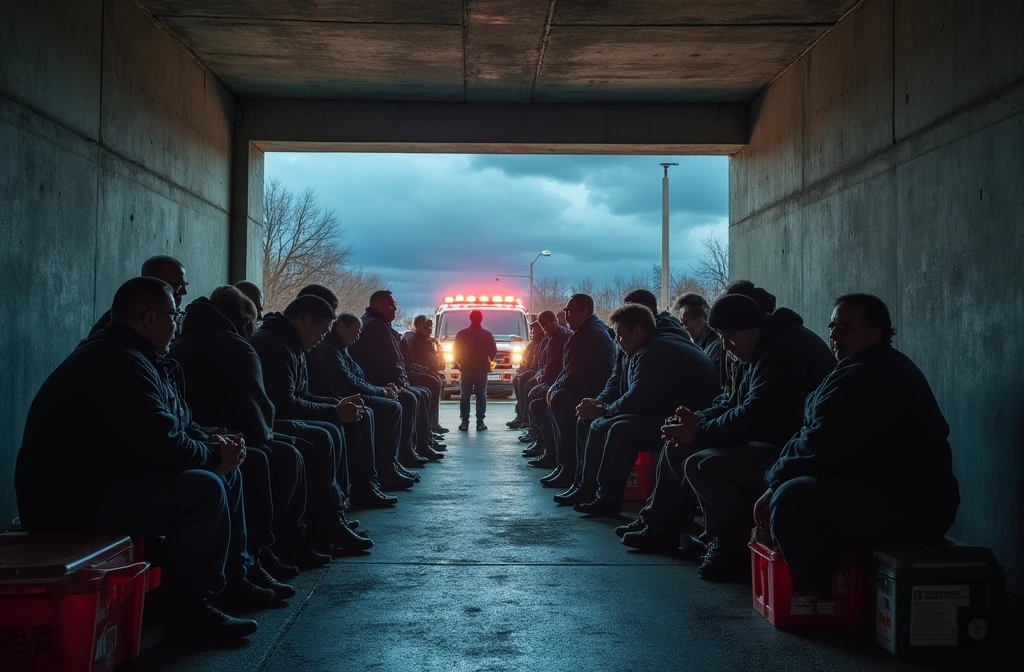
Wisconsin is holding statewide tornado drills during Severe Weather Awareness Week, according to reporting from WSAW. The stated rationale is direct: storms develop quickly, and understanding protective actions when a severe weather warning is issued can measurably improve survival outcomes.
This drill cycle reflects a legitimate preparedness challenge. Tornadoes compress decision-making timelines to minutes—sometimes less. The gap between warning issuance and impact varies by geography, radar coverage, and storm intensity. Communities without rehearsed shelter procedures, clear communication protocols, or identified safe rooms face compounded casualty risk during an actual event.
For preparedness practitioners, the Wisconsin drill signals several operational realities:
Shelter readiness remains baseline. Knowing your location's safest interior room (ideally basement, interior hallway, or reinforced interior space on lowest floor) is non-negotiable. Drills test whether household members actually know and can reach that space under stress.
Communication redundancy matters. Weather warnings reach residents through multiple channels—sirens, NOAA Weather Radio, cell alerts, local media. Reliance on any single channel creates blind spots. Verify you receive warnings through at least two independent paths.
Institutional drills expose real gaps. Statewide exercises typically reveal communication delays, shelter capacity miscalculations, and confusion over warning criteria. Watch for after-action reports from Wisconsin's drill to identify which systems functioned as designed and which require adjustment.
This is not alarmism—it's infrastructure testing. Tornadoes are recurring events in Wisconsin's threat profile. Drills that identify and correct procedural failures before an actual event reduce preventable deaths.
The underlying message from WSAW is sound: knowing what to do when warned is not optional. The drill validates that principle through operational exercise.