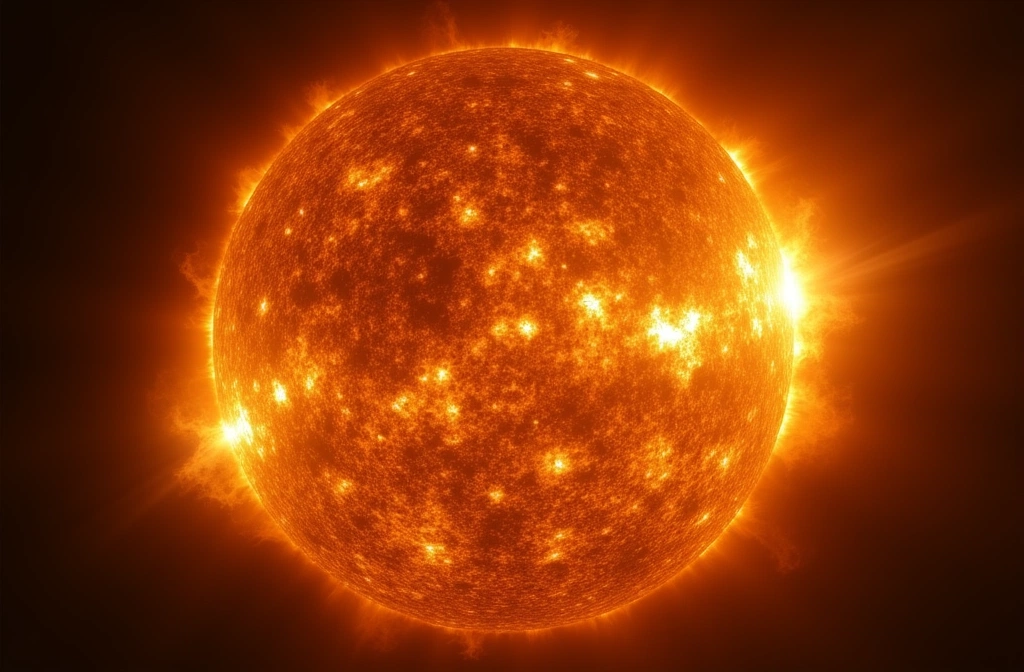
According to reporting from Zamin.uz and distributed via Google News RSS, forecasters are tracking X-class solar flares with potential to generate strong geomagnetic storms on Earth. X-class flares represent the highest category of solar eruptive events and carry measurable risk to electrical infrastructure, satellite communications, and GPS-dependent systems.
Geomagnetic storms of significant strength can induce currents in long transmission lines, stress transformer cooling systems, and degrade high-frequency radio propagation. Satellite operators face increased drag in the ionosphere during strong storm periods, affecting orbit maintenance and communications links. Ground-based systems reliant on precise timing signals may experience degradation.
The reporting does not specify confirmed impact timeline, intensity rating, or affected geographic regions. Current forecasts appear active as of late June 2026, but no official statement from NOAA Space Weather Prediction Center or equivalent national space weather authority is cited in available signals.
For infrastructure operators: this is a watch-and-wait window. Activate your space weather monitoring subscriptions now if you haven't already. NOAA SWPC and the Space Weather Prediction Center issue updated forecasts every 30 minutes during active events. Know where your dashboard is before you need it.
For grid operators and critical infrastructure: review your geomagnetic disturbance protocols. Confirm your transformer thermal capacity under high-current stress scenarios. Test communication redundancy chains. These steps are baseline readiness, not panic response.
For preparedness-minded readers: this event underscores a structural vulnerability in modern infrastructure that remains unresolved. Solar maximum cycles are predictable. The next major geomagnetic storm is not a question of if, but when. Use this active period to verify your emergency power backup is functional, your critical device charging capacity is adequate, and your communications plan doesn't depend on cellular or internet alone.
Watch official NOAA updates for G-scale storm rating and timing specifics. Signals will sharpen as Earth-directed plasma arrival time becomes clearer.
