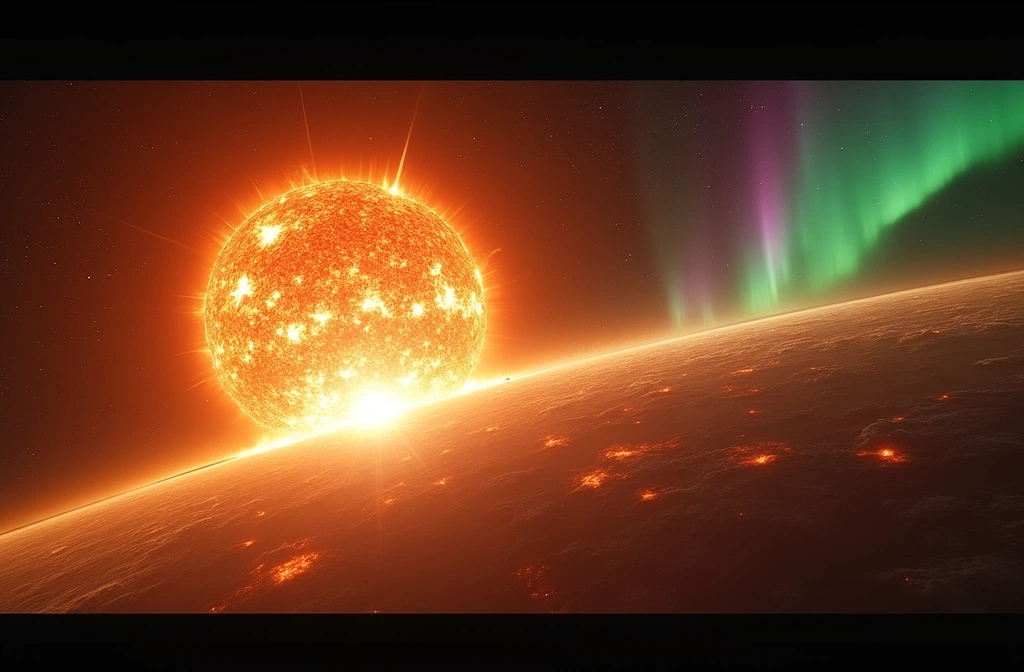
On July 3, 2026, an X1.1 solar flare erupted with an Earth-directed CME, according to multiple sources including The Watchers and MSN. This event triggered an official G2 geomagnetic storm watch—a significant threshold for potential grid and communications disruption.
Context matters here: The X1.1 event followed an earlier M5.8 solar flare that initially prompted a solar radiation storm warning (later canceled), according to The Watchers. The back-to-back activity suggests elevated solar instability and suggests the probability of additional events during this active phase may be elevated.
Why this matters now: G2-level geomagnetic storms can induce currents in long power transmission lines, create transformer heating, and degrade high-frequency radio propagation. While G2 storms are not grid-killers, they represent a real stress on infrastructure—particularly on utilities already running narrow operational margins. Communications systems, especially those relying on HF radio and satellite, will see degradation. GPS and aviation systems may experience minor disruptions.
For preparedness professionals, the significance lies in what this reveals about solar cycle dynamics: The current solar maximum is demonstrating the capacity to produce X-class flares with Earth-directed delivery vehicles. This is not anomalous—it is baseline behavior for the peak of Solar Cycle 25.
What to watch next: Monitor NOAA Space Weather Prediction Center for:
- Upgraded storm watches (G3 or higher)
- Additional X-class flare observations
- Actual Kp index readings when the CME arrives (typically 18-36 hours post-flare)
- Duration and intensity reports from utilities on grid stress
Historically, the 1989 Quebec blackout was triggered by a G5 storm. The Carrington Event of 1859 produced auroras visible at the equator. Current infrastructure is more vulnerable in some ways (grid interdependency), more resilient in others (transformer design improvements, redundancy). A G2 storm is a low-frequency reminder that the risk tier exists. Monitor the next 72 hours for official updates.
