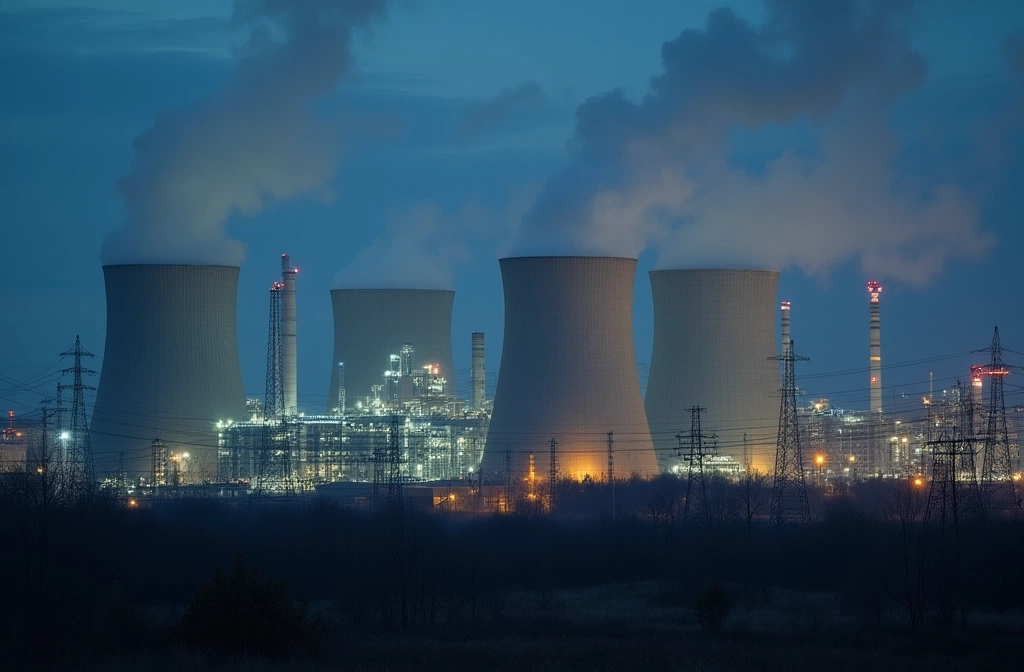
According to the IAEA, off-site electrical power was restored to the Zaporizhzhia Nuclear Power Plant (ZNPP) on Saturday, June 6, 2026, ending a 15-hour blackout. This represents one of the longest power interruptions at the facility since Russia's occupation began, according to reporting from Kyiv Post.
Why this matters: Extended blackouts at nuclear plants create cascading infrastructure risk. Nuclear facilities depend on continuous cooling systems—both during operation and for spent fuel pools. Backup diesel generators can sustain these systems for extended periods, but prolonged outages test fuel reserves, maintenance protocols, and operator fatigue. The IAEA's confirmation suggests the facility remained under some form of operational control during the outage, but the length itself is notable.
For grid analysts and preparedness planners, this event signals vulnerability in the electrical supply chain feeding the ZNPP. Power delivery to occupied critical infrastructure remains contested and fragile. Longer outages increase the statistical probability of cascading failures in backup systems or human error in emergency protocols.
What to watch next: Monitor IAEA statements for frequency and duration of future outages at ZNPP and other Ukrainian nuclear facilities. Patterns of blackouts—whether random infrastructure damage, deliberate targeting, or grid instability—will indicate the reliability of backup power systems and the broader vulnerability of the region's electrical grid. Additionally, watch for statements regarding fuel levels in backup diesel reserves and any maintenance delays attributed to supply chain disruptions. Extended outages create operational stress; repeated stress creates failure risk. The IAEA's public confirmation suggests the situation was serious enough to warrant immediate international attention.
For readers monitoring critical infrastructure resilience: this underscores the importance of understanding how your own power dependencies—water systems, heating, medical equipment—would function during extended grid failure. The ZNPP's reliance on external power mirrors vulnerabilities in civilian infrastructure.
