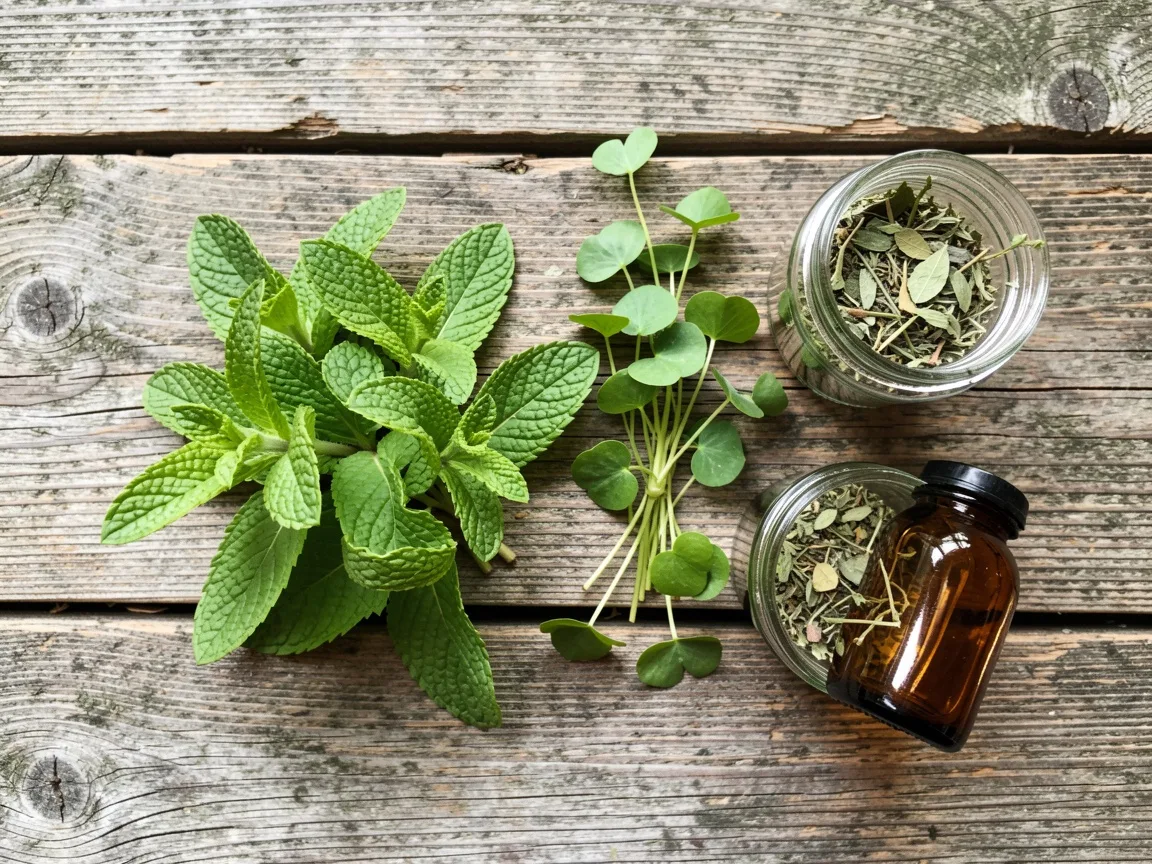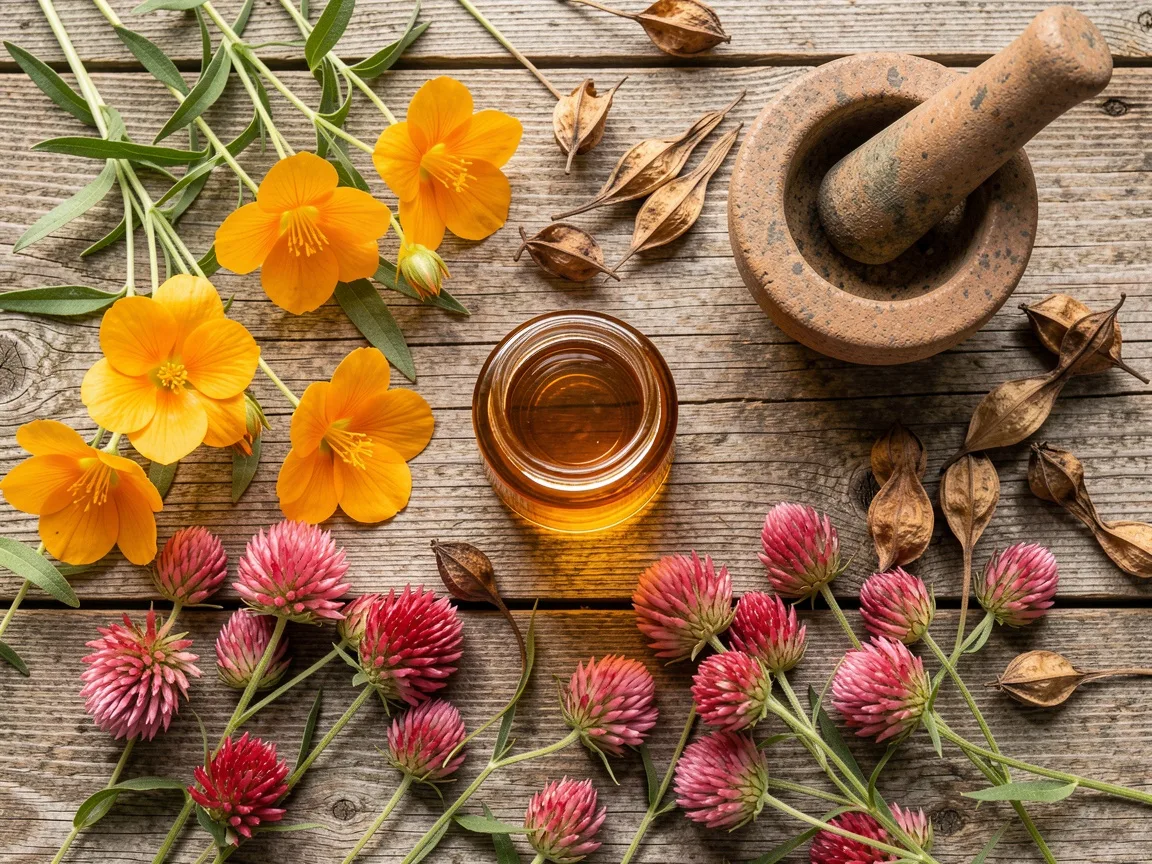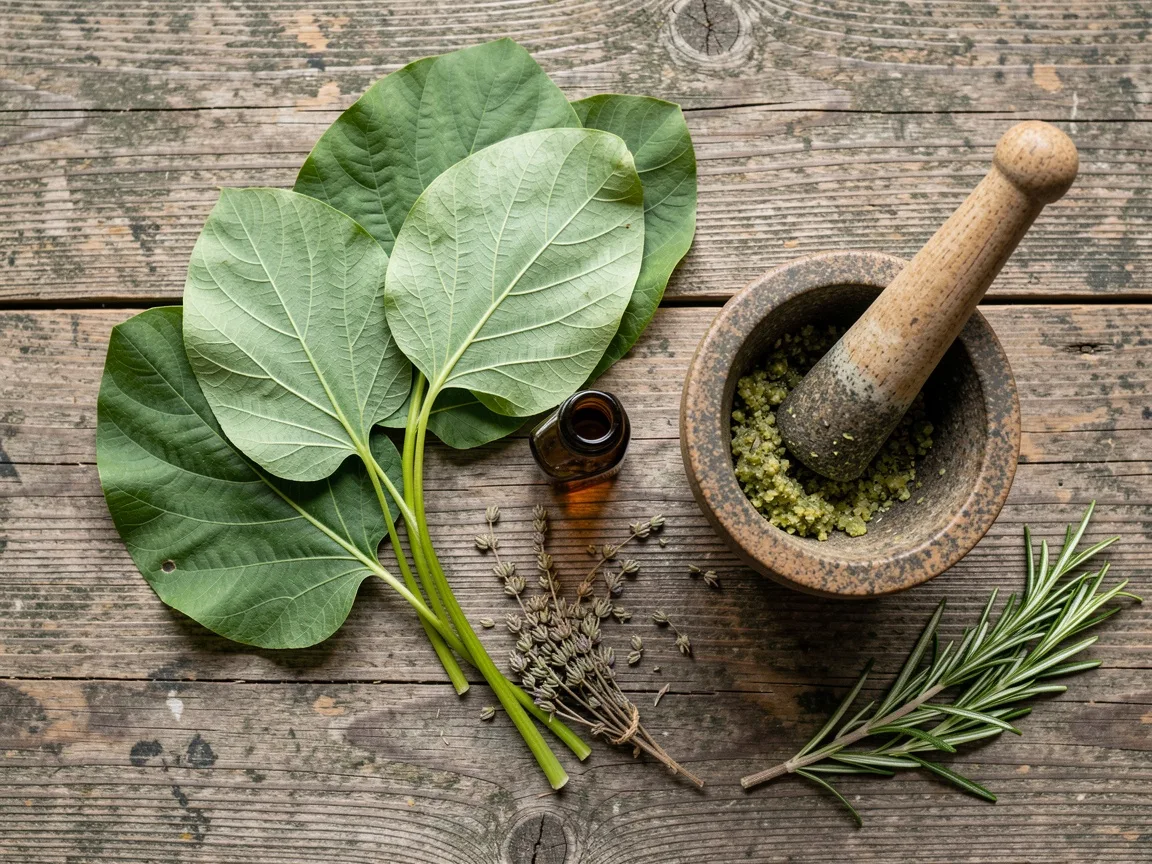
Three years ago, I cracked a molar on a Friday night in January — roads iced over, dentist office closed, and a dull throb turning into something I couldn't ignore by Saturday morning. I ended up chewing a fresh plantain leaf I'd pulled from the edge of my garden bed, packing the pulp against the gumline, and getting four hours of sleep. That experience changed how I think about off-grid dental care. Not because a weed fixed my tooth, but because I realized I had zero actual plan for dental emergencies that didn't involve a phone call and a waiting room.
In a grid-down scenario — whether that's an EMP event, a prolonged supply chain collapse, or rural isolation after a major disaster — professional dentistry disappears quickly. No electricity means no sterilization equipment, no powered drills, and no compressors. The dentist isn't coming. What you do before that moment determines whether a toothache stays a toothache or becomes a life-threatening systemic infection.
This guide covers four medicinal plants you can grow or forage, how to cultivate them for dental emergencies, and how to prepare remedies that work when the grid goes down.
Why Dental Emergencies Are Survival Emergencies
I've talked to preppers with detailed plans for water, food, and communications — and a complete blank spot for dental preparedness. That gap can kill you. An untreated tooth abscess doesn't just hurt; it spreads. Bacteria from a dental infection can track along fascial planes into the jaw, neck, and chest. Ludwig's angina — a rapidly spreading infection of the floor of the mouth — can obstruct your airway within hours. Sepsis is a real downstream outcome of what started as a cavity.
Beyond the life-or-death cases, consider the operational impact. Severe dental pain prevents eating, disrupts sleep, and erodes morale and decision-making capacity. In a crisis, impaired judgment gets people killed. Dental health isn't a comfort issue. It's a mission-readiness issue.
There's an important distinction I want to make clear: pain management and infection control are distinct issues. Herbal remedies can address both to varying degrees, but they work differently. Pain management focuses on reducing inflammation and blocking pain signals at the site. Infection control focuses on reducing bacterial load and supporting your immune system's ability to contain the spread. You need strategies for each — and you need to know when both are failing.
Plantain: The Prepper's Primary Dental Herb
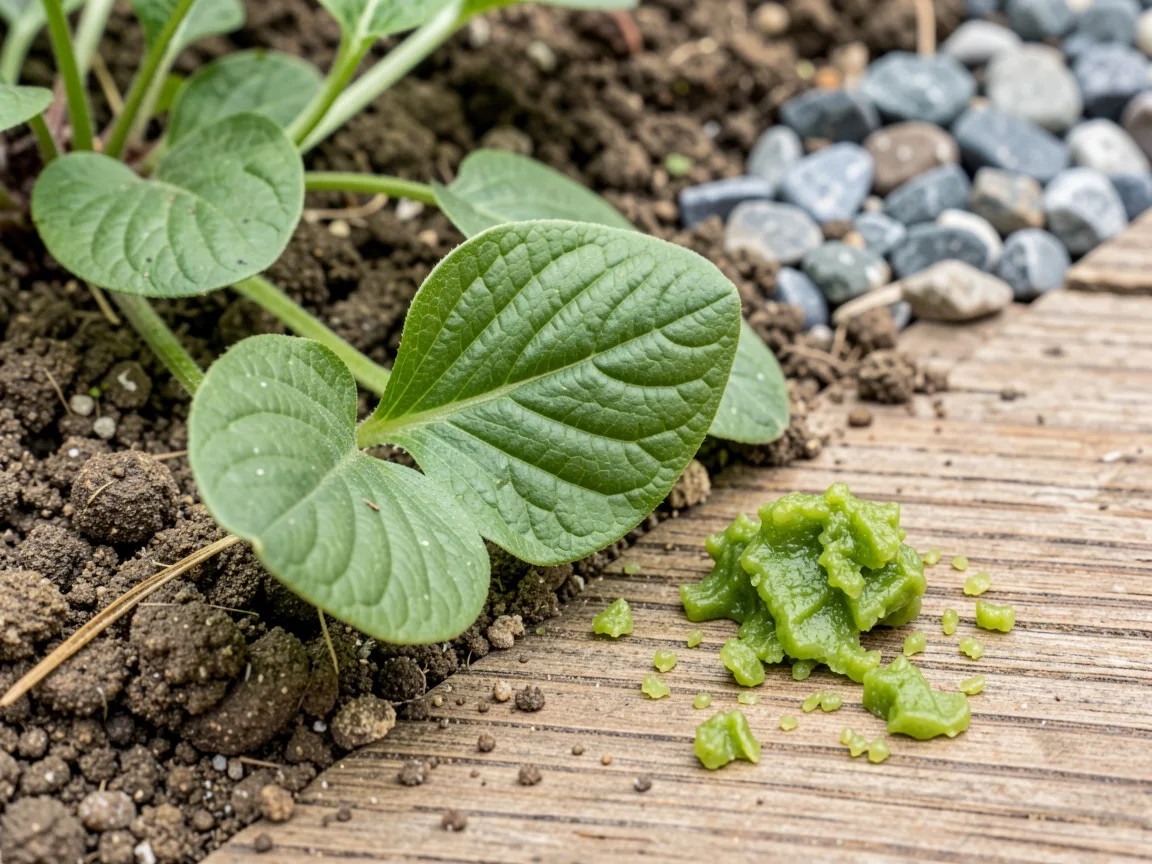
Plantago major — common plantain, not the banana — is likely already growing in your lawn. I've found it in gravel driveways, compacted clay soil, and along cracked pavement edges. That resilience is exactly why it earns the top spot in any off-grid dental care plan.
For deliberate cultivation, I allocate about 3 square feet per patch. Plantain thrives in hardiness zones 3 through 12, tolerates soil pH from 4.6 to 7.8 (and I've seen it survive up to pH 9), and grows in full sun to partial shade. Sow seeds directly into the garden as soil temperatures begin to rise in spring. Plant three seeds per hole at a depth of just 1/16 of an inch — barely covered. Keep the soil consistently moist until germination. After that, plantain practically takes care of itself. It tolerates foot traffic. You can mow it, and it comes back. For a prepper managing a garden under crisis conditions, that durability matters enormously.
Harvest leaves by hand-picking as needed — always take the outermost leaves and leave the growing center intact. For more concentrated preparations, roots can be dug with a spade or garden fork. Let seed heads mature through late summer; when they turn tan, they're ready to be collected and banked for future seasons.
Medicinally, plantain delivers a meaningful combination of properties for dental applications:
- Anti-inflammatory action — reduces swelling in infected gum tissue
- Analgesic effects — directly dampens pain signals at the application site
- Antioxidant compounds — support tissue recovery
- Weak antibiotic properties — helps reduce bacterial load in localized infections
- Immune modulation — supports your body's own containment response
For a gum abscess or toothache, crush fresh leaves and pack the pulp directly against the affected gumline. Change the poultice every two to three hours. For a leaf infusion, steep a small handful of fresh or dried leaves in just-boiled water for ten minutes, strain, and use as a rinse — swish and hold against the painful area for thirty seconds before spitting. Repeat three to four times daily. Plantain leaves are also edible as a cooked green, which matters when you're building a dual-purpose survival garden.
Four Complementary Herbs That Complete Your Dental Kit
Plantain is your foundation, but I don't rely on a single plant for anything in a crisis scenario. These four herbs round out a complete off-grid dental preparedness kit — and every one of them does double duty in the kitchen.
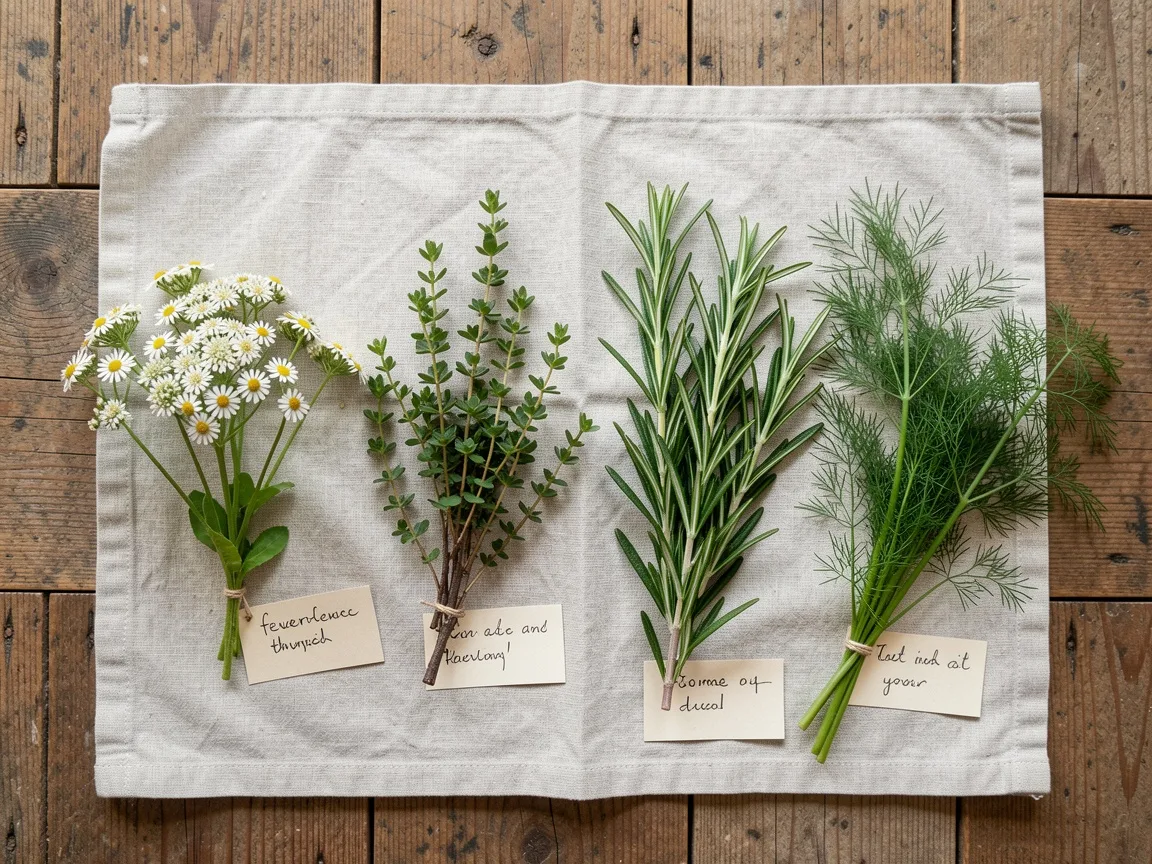
Feverfew targets inflammation specifically. I grow it as a companion plant along the border of my herb cluster, where it also deters some insect pests. For dental applications, a leaf infusion or poultice can reduce swelling from tooth infections and help manage headache pain that often accompanies severe toothaches.
Thyme is the workhorse antimicrobial in this group. Thymol — the active compound — has documented antibacterial properties and is actually an ingredient in some commercial mouthwashes. A strong thyme tea used as a mouth rinse meaningfully reduces bacterial load. In my experience, thyme rinses twice daily are the closest thing to a natural antibiotic mouthwash you can produce from a garden.
Rosemary brings antioxidant and mild antiseptic properties. I use rosemary in combination rinses — brewed together with thyme — to broaden the antimicrobial spectrum. It also supports immune response, which matters when your body is fighting a localized infection without pharmaceutical backup.
Dill rounds out the kit with additional antimicrobial action and carminative effects — relevant post-extraction, when digestive upset from swallowed blood or stress compounds an already difficult situation.
For garden layout, I cluster all four of these herbs together in one dedicated section, adjacent to the plantain patch. Total space investment: roughly 15 to 20 square feet for the full dental herb cluster. That's a small corner of a survival garden with outsized medical value. For deeper guidance on integrating these into a broader medicinal layout, see our guide on Building a Survival Medicinal Garden: 12 Essential Plants for Grid-Down Health.
Preparing Remedies and Knowing When They're Failing
The preparation method matters as much as the plant. I'll walk through the three formats I keep ready, in order of shelf life.
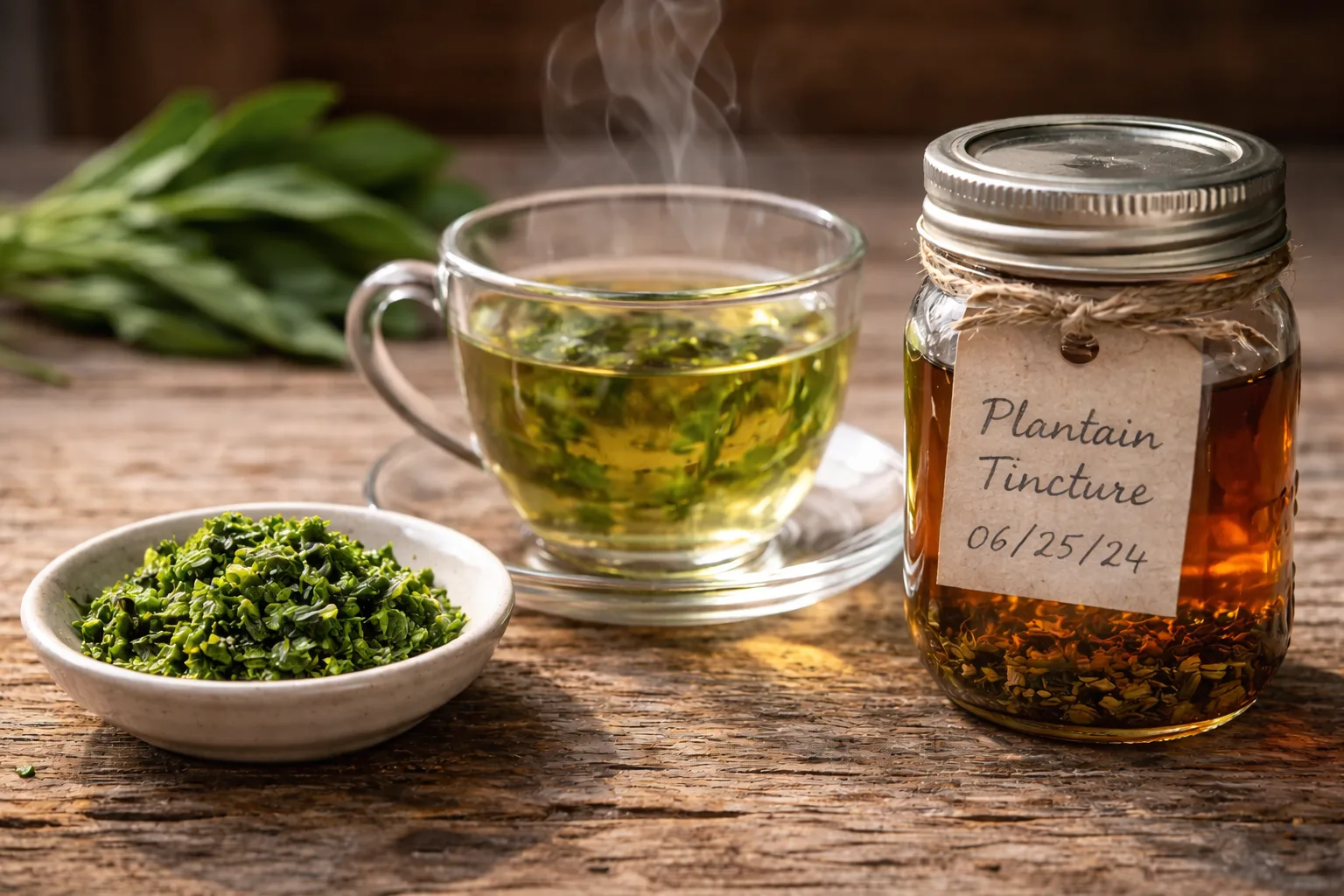
Fresh poultice — fastest to make, shortest shelf life. Crush fresh plantain leaves (or combine with feverfew) with a small amount of clean water. Pack directly against the affected gumline or cheek. This is your immediate first-response tool.
Infusion (tea) — bring water to a full boil first. That boiling step serves a dual purpose: it sterilizes the water and extracts medicinal compounds from the plant material. Steep for ten minutes minimum, strain thoroughly, and use warm as a rinse. For water purification protocols in grid-down scenarios, see our article on Water Purification Without Electricity: Boiling, Filtering, and Storage for EMP Scenarios. Infusions keep for 24 hours refrigerated — in a grid-down situation, make only what you'll use that day.
Alcohol tincture — your long-term storage solution. Pack a clean glass jar with dried herb material, cover completely with 80-proof or higher alcohol (vodka works), seal, and store in a cool dark location for four to six weeks before straining. Label every jar with the plant name and preparation date. Tinctures stored properly can remain effective for two or more years — critical if you're planning for a grid-down scenario lasting six months or longer.
Here's the part most herbal health sites won't tell you directly: know when these remedies are failing. Watch for these warning signs that indicate a systemic infection beyond what plants can manage:
- Fever above 101°F that doesn't respond to rest and hydration
- Visible swelling spreading into the jaw, neck, or face
- Difficulty swallowing or opening the mouth fully
- Red streaking away from the infection site
If you see any of these, herbal support continues, but it is no longer your primary intervention. This becomes a systemic infection emergency. For broader protocols for managing infections without modern medicine, see our guide, First Aid Without Modern Medicine: Infection Control and Wound Care Post-Collapse.
For daily prevention, I use a simple herbal mouth rinse every night: strong thyme and rosemary tea, cooled, swished for 30 seconds before bed. It costs almost nothing from a garden you're already maintaining, and it meaningfully reduces the bacterial load that causes decay and infection over time. A basic tooth powder — baking soda with a few drops of thyme tincture —works as a replacement for commercial toothpaste when supplies run out. For mechanical cleaning without modern toothbrushes, a torn cloth wrapped around a finger works. Crude, but effective.
Building Your Dental Herb Garden Before You Need It
Year one is about getting plants established and building your dried herb inventory. Start with seed procurement this season — plantain, thyme, rosemary, feverfew, and dill are all available from reputable seed suppliers and most garden centers. Test your soil pH before planting; plantain is forgiving, but thyme and rosemary prefer a pH closer to neutral. Basic soil test kits cost a few dollars and take ten minutes.
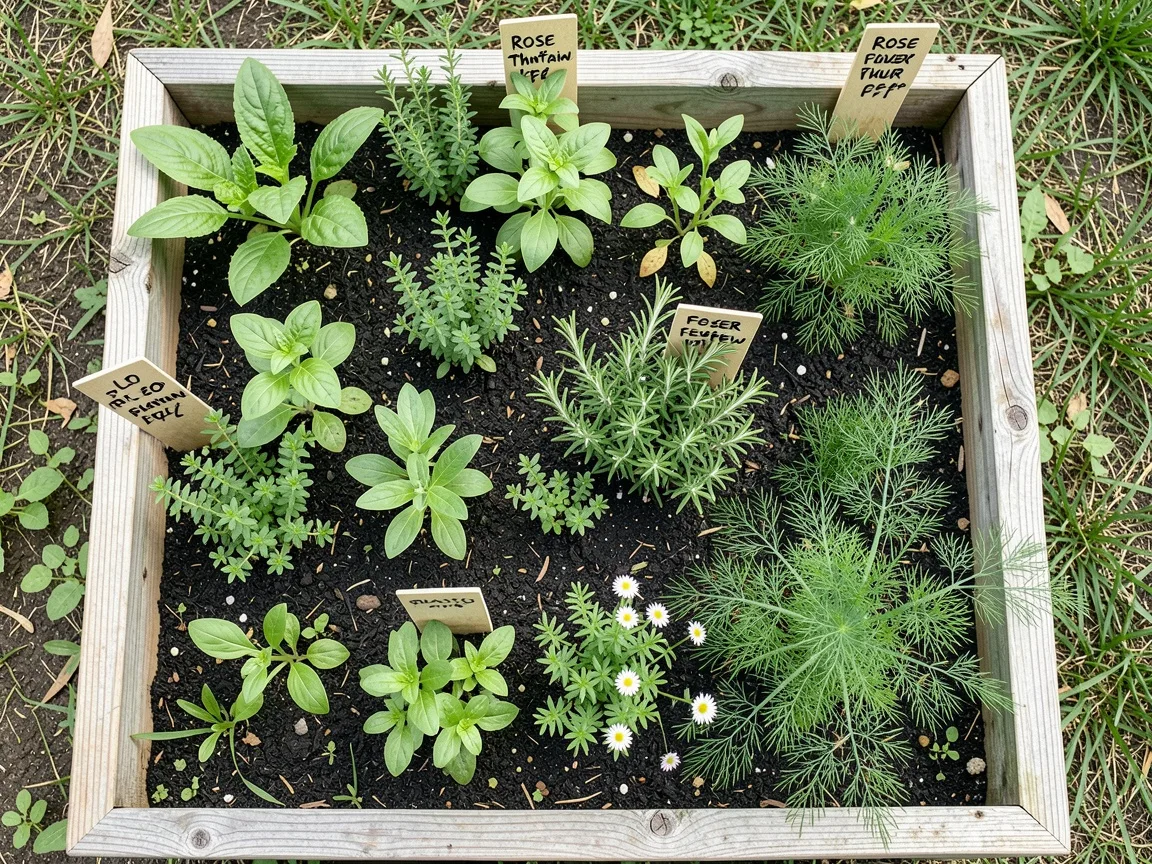
Plant succession patches of plantain — two or three small clusters staggered by a few weeks — so you're not stripping a single plant repeatedly. Harvest leaves throughout spring and fall, dry them in small bundles, hang them upside down in a warm, dark space, and store them in sealed glass jars away from light. I track my dried herb inventory on a simple paper log taped to the inside of a cabinet door: plant name, harvest date, preparation type, and estimated quantity. Low-tech, but it works in any scenario.
By the end of year one, you should have:
- A producing plantain patch covering at least 3 square feet
- Established starts of all four complementary herbs
- A minimum six-month supply of dried plantain leaves
- At least two tinctures are in process or completed
- A banked seed supply for replanting
The total space investment — roughly 15 to 20 square feet — is smaller than most people's kitchen table. The return on that investment, in a scenario where dental pain can spiral into a life-threatening infection, is difficult to overstate.
Start This Weekend
I want you to do one thing after reading this: order plantain seeds today. Not next month, not when you finish the other projects — today. Plantain is nearly impossible to kill, requires almost no attention, and gives you a medicinal resource that works across a range of dental and wound-care scenarios. While those seeds are in transit, make one batch of thyme tea tonight and use it as a mouth rinse before bed. Get familiar with what these preparations taste and feel like during a minor issue, before you manage a crisis. That experience gap — knowing how remedies work from firsthand use, not just from reading — is what separates the prepared from the caught-off-guard.
Drop a comment below with your current medicinal garden setup, or share this with your preparedness group. The more people in your network who have this capability, the stronger everyone's position when professional care goes offline.