Introduction: When the Lights Go Out Permanently
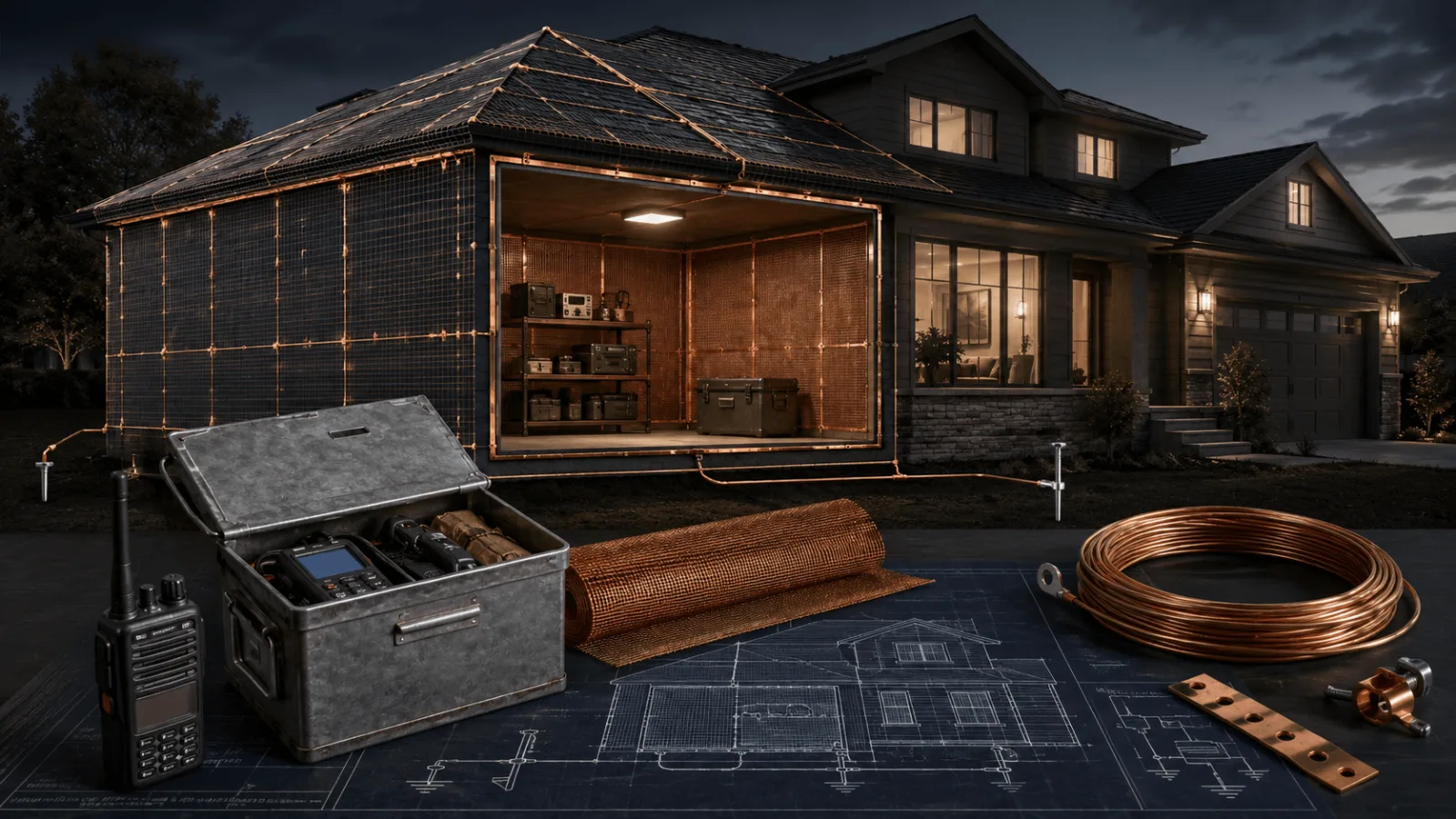
Back in 2018, I still remember testing my first homemade Faraday cage during a thunderstorm. The local weather service had warned of intense electrical activity, making it the perfect opportunity to test my DIY protection. I'd wrapped an old radio in aluminum foil, placed it in a metal trash can lined with cardboard, and sealed the lid with metal tape. It wasn't precisely military-grade, but I was curious!
When I powered up that radio after the storm had passed and heard static followed by a clear broadcast, I felt a strange mix of relief and concern. I felt both relief that my essential protection was adequate and concern about how few of my essential electronics would withstand an actual EMP event. That day changed how I approach preparedness forever.
Let's be honest—we're ridiculously dependent on electronics. From communication to navigation and medical devices to tools, losing these capabilities overnight would be catastrophic! But here's the good news: You can protect and prepare with the right equipment. I've spent years testing, researching, and collecting feedback from other preppers to compile this guide to genuinely EMP-resistant electronics.
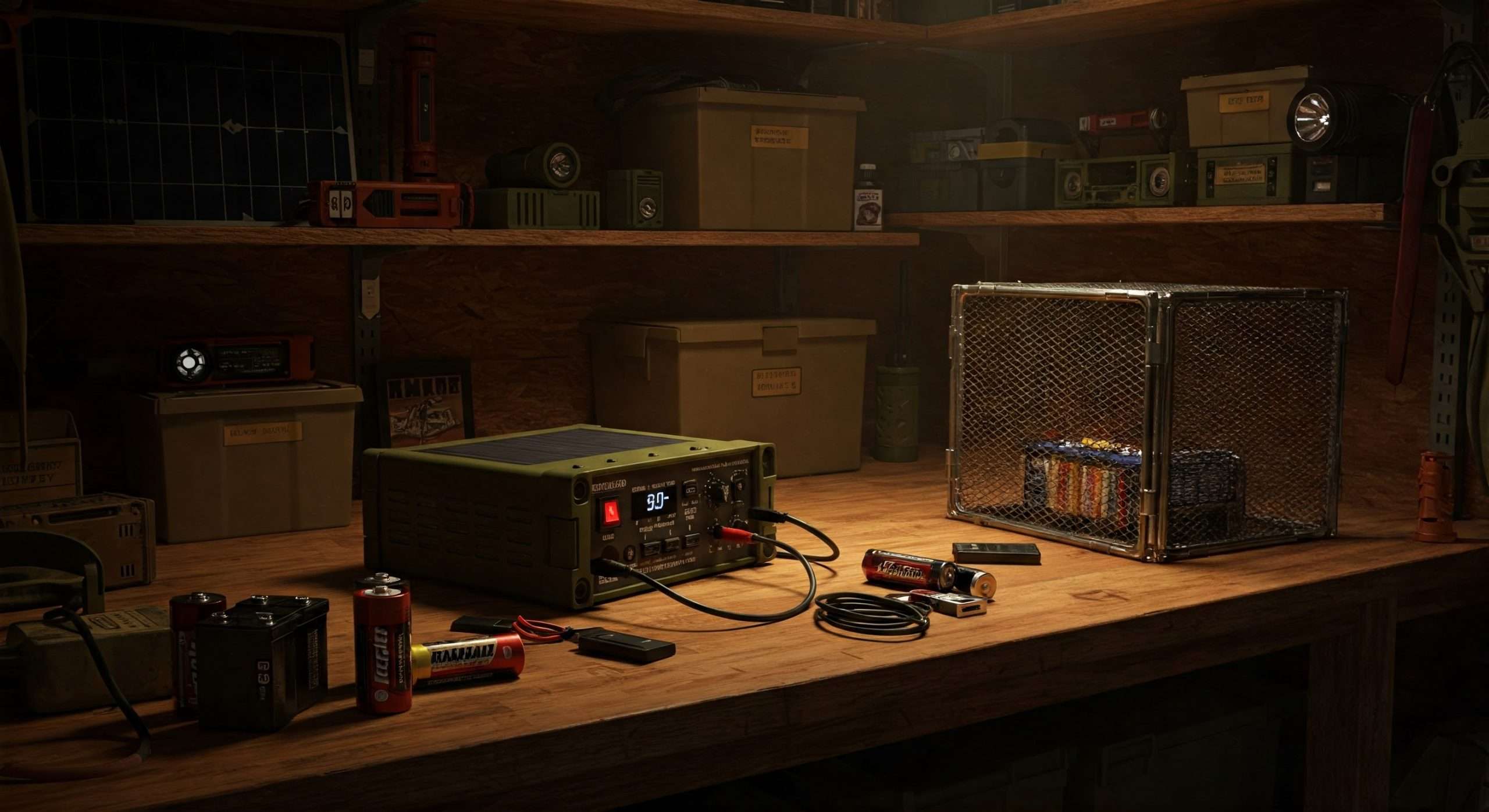
1. EMP-Hardened Solar Battery Charger
Nothing's more frustrating than having batteries but no way to charge them! I learned this lesson during a three-day power outage after a nasty ice storm hit our region. My regular solar charger was fine, but it got me thinking—what if this was an EMP situation?
Look for chargers specifically advertised with EMP protection features.
Choose models with minimal computerized components.
Opt for older, simpler designs with mechanical switches instead of electronic ones.
Consider military surplus options that meet MIL-STD-461 requirements.
Ensure your model can charge multiple battery types (AA, AAA, C, D, and 9V).
I personally use the PowerFilm LightSaver Max. While it wasn't marketed specifically as EMP-proof, its simple design with minimal sensitive electronics means it's far less vulnerable than fancier models. I've also modified mine by adding an external small Faraday cage for storage.
Remember though, even "hardened" electronics aren't guaranteed to survive a powerful EMP. That's why storage in a proper Faraday container when not in use is still your best protection strategy!
2. Hand-Cranked Emergency Radio
Back in 2019, I was camping in Colorado when a series of nasty thunderstorms rolled through. Cell service disappeared, and my fancy weather radio's charging port had gotten wet and shorted out. Lesson learned! Now I never go anywhere without a manual emergency radio with multiple power options.
Choose radios with NOAA weather alert features.
Look for models with multiple power sources (solar, hand-crank, batteries).
Avoid radios with fancy digital displays and complicated circuits.
Consider radios that can also charge small devices via USB.
Redundancy is key—have at least two different models.
The Midland ER310 is my go-to recommendation. It's not specifically marketed as EMP-proof, but its simple circuit design and mechanical components make it less vulnerable than most modern electronics. Plus, it has multiple power options, including a hand crank that's actually usable (unlike some that feel like they'll break after three turns).
A good emergency radio becomes your lifeline to the outside world when everything else goes silent. Just make sure to store it properly protected when not in use!
3. Mechanical Watches and Clocks.
You may not consider timekeeping to be important, but try coordinating anything without knowing what time it is! A few years ago, I discovered how unnerving it is to lose track of time when my smartwatch died during a weekend-long power outage. The battery had died, and I couldn't locate anywhere to charge it because the power was out. That experience transformed my approach to emergency timekeeping.
Choose mechanical watches with a manual winding mechanism
Avoid quartz watches (they contain electronic components vulnerable to EMP)
Consider pocket watches as they're often sturdier
Look for watches with luminous hands for nighttime readability
Mechanical alarm clocks provide reliable wake-up without electricity
My personal preference is the Seiko 5 automatic watch. It's inexpensive, durable, and does not require batteries or electronics. I too have an old-school Big Ben wind-up alarm clock that has worked flawlessly for decades. Neither requires electricity, and both would most likely survive an EMP catastrophe without any further protection.
Keeping track of time isn't just about convenience—it's about maintaining routines and coordinating with others during a crisis. Don't overlook this simple but critical capability!
4. Analog Medical Devices
If you depend on medical devices, this section might save your life. I've got a family member with a heart condition, and ensuring they have access to monitoring equipment regardless of grid status is non-negotiable for me.
Mechanical blood pressure cuffs (sphygmomanometers) with a stethoscope
Analog thermometers (alcohol-based, not mercury)
Manual insulin injection systems instead of electronic pumps
Backup glasses instead of relying solely on contact lenses.
Basic surgical and first-aid tools that require no power
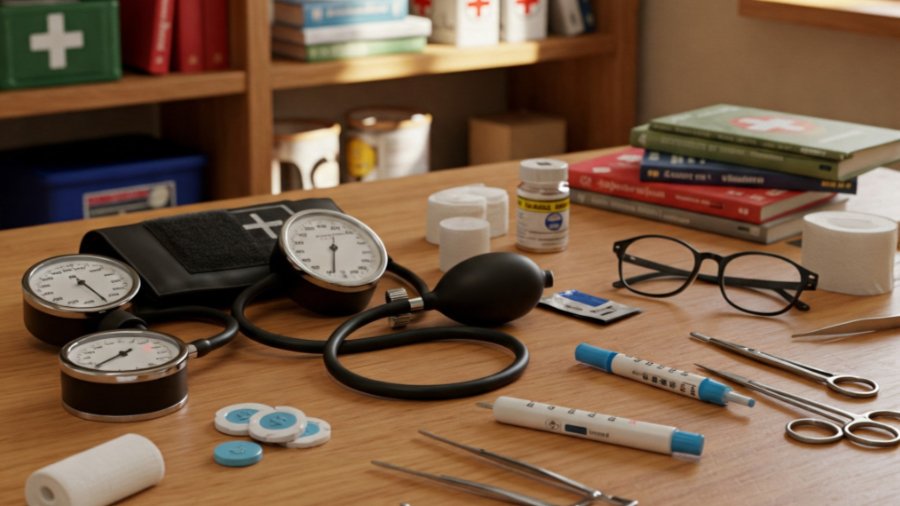
When my neighbor's electronic blood pressure monitor died during a power surge, he had no way to check his hypertension. That's when I gave him one of my backup manual cuffs. The look of relief on his face drove home how vulnerable we are when medically dependent on electronics.
For blood pressure, I recommend the ADC Diagnostix 700 Pocket Aneroid Sphygmomanometer. It's accurate, durable, and has no electronic components whatsoever. Just remember that using a manual BP cuff does require some practice—don't wait until an emergency to learn how!
5. Non-Electric Light Sources
I've endured numerous power outages, and I can attest that the darkness quickly grows tiresome. During an extended outage after a major storm, I watched as neighbors rapidly depleted battery supplies for flashlights while my mechanical lights kept working night after night.
Wind-up flashlights with mechanical generators
Oil lamps and a supply of lamp oil.
Candles (unscented beeswax last longest)
Mechanical matches and lighters
Chemical light sticks for emergency situations
My favorite wind-up flashlight is the ThorFire Solar Hand Crank LED Flashlight. I've literally dropped it off a roof while working on gutters, and it still works perfectly. For longer-term lighting, I keep several UCO candle lanterns with a supply of long-burning candles.
One trick I've learned: place your light sources in front of reflective surfaces to amplify their effectiveness. A simple mirror or even aluminum foil can dramatically increase how much usable light you get from a small flame or LED.
6. Radiation Detection Equipment
Depending on the source of an EMP (particularly if nuclear), radiation detection could become critically important. This isn't doomer talk—it's practical preparedness for worst-case scenarios.
CDV-715 civil defense meters (old but reliable and EMP-resistant)
CDV-717 survey meters for area monitoring
Analog dosimeters for personal radiation exposure monitoring
KFM (Kearny Fallout Meter) can be homemade.
Radiation detection cards (passive indicators)

I picked up several civil defense meters at a government surplus auction years ago. These devices were built during the Cold War specifically to function after nuclear events. They're analog, rugged, and extremely reliable if properly maintained and calibrated.
The NukAlert radiation detector on a keychain provides a simple, always-on monitoring capability. While not completely EMP-proof (it does contain some electronic components), its simple design makes it more resistant than complex digital detectors.
7. Navigation Tools
GPS will likely be among the first systems to fail in an EMP scenario. I learned basic land navigation in the military, and those skills have saved me more than once when technology failed.
Magnetic compasses (store away from other magnetic items)
Physical maps of your region (topographic and street)
Mechanical rangefinders and measuring tools
Sextant for celestial navigation (advanced users)
Physical guidebooks for natural navigation techniques
My go-to compass is the Suunto MC-2G, which combines durability with precision. I've used it in environments ranging from desert heat to sub-zero mountain conditions. When combined with appropriate topographic maps (which I laminate for protection), you'll never find yourself truly lost.
Pro tip: practice triangulation regularly. I make a game of it with my family—we'll identify our position using only a compass and visual landmarks, then check against a GPS to see how close we got. It keeps skills sharp while making learning fun.
8. Communication Devices
When I was volunteering after Hurricane Harvey, I witnessed firsthand how quickly communication infrastructure can collapse. Many families were desperate to contact loved ones, and those with alternative communication methods became community lifelines.
Basic handheld walkie-talkies (simpler models are less vulnerable)
Wind-up emergency radios with two-way capability
Signal mirrors and whistles for close-range communication
Field telephones (military surplus) for fixed locations

The Midland 75-822 is my recommendation for a CB radio with relatively simple circuitry. For shorter ranges, the Motorola Talkabout T460 offers excellent durability with fairly basic electronics. Please ensure these are stored in protective containers when not in use to maintain optimal EMP resistance.
Communication doesn't have to be high-tech to be effective. I've established neighborhood protocols with nearby friends using whistle signals and even flag positions visible from house to house. Occasionally the oldest methods are the most reliable!
9. Mechanical tools with electronic functions
Power tools are fantastic until they have no power. I've gradually replaced most of my critical tools with manual alternatives or hybrid options that provide electronic assistance but remain functional without it.
Hand-powered drills and screwdrivers
Manual can openers and kitchen tools
Hand-powered water pumps
Mechanical calculators for inventory management
Spring-wound timers instead of digital ones
One of my favorite finds was an old hand-cranked drill at an estate sale. It's slower than my cordless, sure, but it never needs charging and would continue working just fine after an EMP event.
For cooking, I've found that a manual pressure cooker saves tremendous fuel compared to regular pots. The Fissler Vitaquick works wonderfully and has no electronic components whatsoever. When you're cooking on limited fuel supplies after a disaster, efficiency becomes critical.
10. EMP-resistant vehicles and transportation
Transportation is a critical component of any comprehensive EMP preparedness strategy, even though vehicles can't fit in your emergency kit. After testing various options over years of preparedness planning, I've developed some strong opinions on EMP-resistant transportation.
Diesel engines (generally more resistant than gasoline)
Bicycles with spare parts kits
Simple motorcycles with mechanical ignition
Manual tools to convert electronic vehicles to manual operation if possible

My backup vehicle is a 1975 Ford F-150 with almost no electronics. I've replaced the alternator with a slightly more hardened unit, but otherwise, it's gloriously simple. Would it definitely survive an EMP? While there are no guarantees, its minimal electronic footprint significantly increases the likelihood of its survival compared to my modern truck.
For shorter distances, quality bicycles with cargo capabilities provide reliable transportation regardless of fuel availability or electronic vulnerability. I keep spare tubes, chains, and basic repair tools vacuum-sealed for long-term storage.
Conclusion: Preparing Without Paranoia
Looking back at my preparedness journey, I've come to realize that EMP protection isn't about fear—it's about thoughtful redundancy. The devices I've listed aren't just for doomsday scenarios; they've proven their worth during regular power outages, camping trips, and everyday emergencies.
Start small if you're feeling overwhelmed. Begin with communication and lighting, then gradually build your collection of hardened or non-electric alternatives. Store what you can in protective containers (even a microwave with the cord cut off can serve as a basic Faraday cage in a pinch).
Remember that skills ultimately trump stuff. The most EMP-proof device is the knowledge stored in your brain. Learn to use manual alternatives while they're a convenience, not when they become a necessity.
What EMP-resistant devices have you added to your emergency kit? Share your experiences in our Facebook group—community knowledge makes us all more resilient!