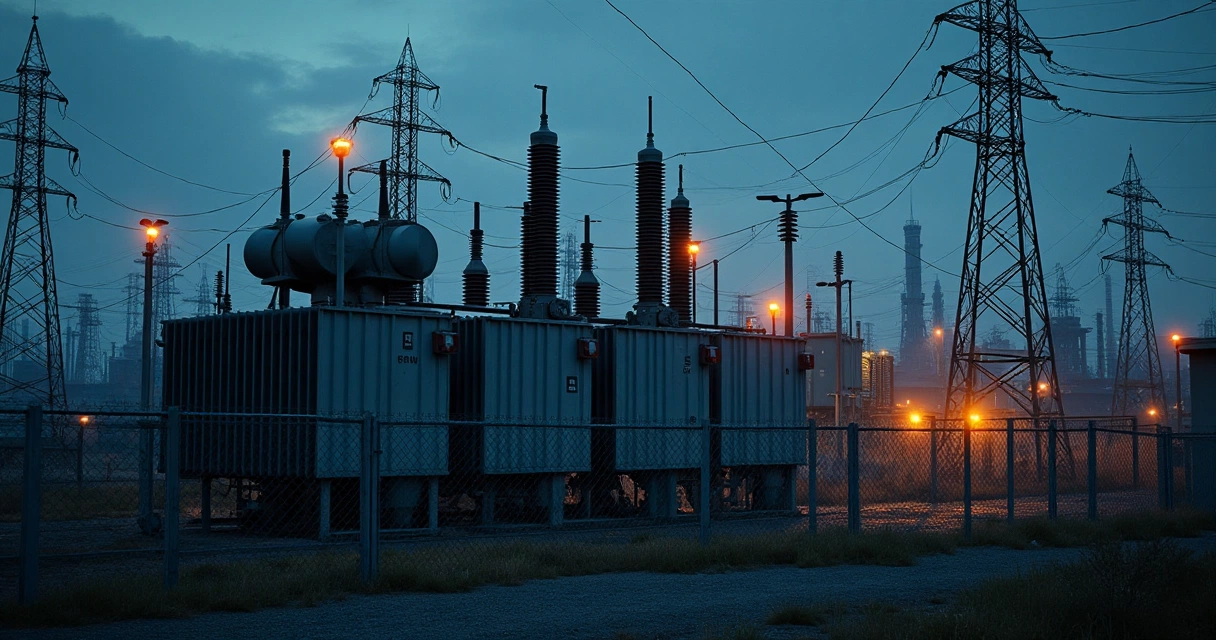
A security assessment initiative is underway targeting generator and excitation system vulnerabilities across Pennsylvania power plants, according to reporting on OT security assessments. The effort centers on identifying weaknesses in operational technology that directly controls electrical generation and grid stability—systems that have historically received less security attention than IT networks.
Why this matters: Generators and excitation systems are foundational to grid reliability. If compromised, these systems could degrade power output, create instability during peak demand, or complicate emergency response. Pennsylvania's grid serves roughly 13 million people and connects into regional transmission networks. A localized OT compromise here could cascade into neighboring states' grids depending on interconnection load and operator response protocols.
The assessment focus suggests two realities: (1) OT security gaps exist in real plants right now, and (2) operators recognize the gap enough to fund assessments. This is positive signal for defense, but it also indicates vulnerabilities were present long enough to require formal remediation campaigns rather than having been caught in design or deployment phases.
What to watch: Monitor whether assessment findings lead to mandated industry standards, timeline requirements for remediation, or if they remain advisory. Assess whether similar recommendations are issued for other critical infrastructure OT systems (water, natural gas) in the region. Watch for any incidents targeting excitation systems specifically—they are less commonly attacked than SCADA or grid controls, which could mean they're lower on defender priority lists.
For individual preparedness: This underscores the value of distributed backup power and energy independence at household level. If grid stability issues emerge from OT vulnerabilities, duration and scope remain unknown. Portable generation, battery storage, and fuel reserves remain justified hedges against extended outages tied to infrastructure compromise.