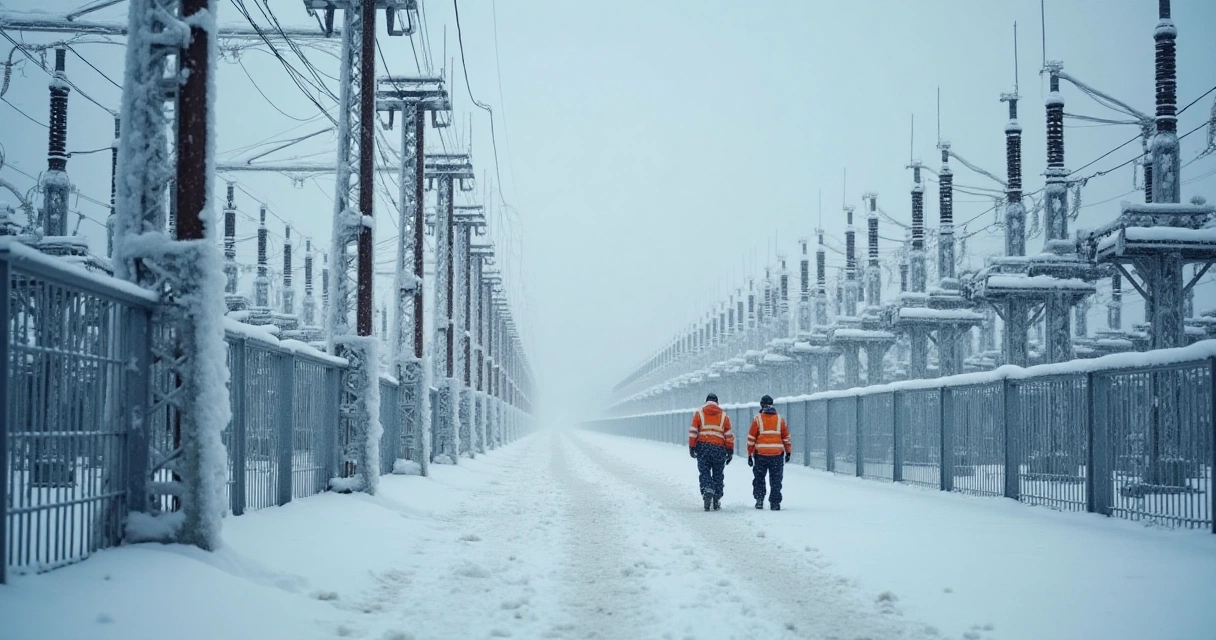
Storms Fern and Gianna delivered a mixed report card for US grid resilience. According to Power Engineering, generators performed better than in previous winter events and winterization investments paid measurable dividends during the multi-day cold event. That's the good news. The concern flagged in the same analysis: fuel supply and supply chain strains emerged during the storms and could intensify as demand rises heading into 2027. No specific statistics on fuel shortfalls or duration constraints were disclosed, but the pattern is clear—preparedness infrastructure works when it's in place, but it operates closer to margin than operators want.
This matters because winter grid stress is no longer a regional or occasional problem. Multi-day cold events are the scenario that stresses every layer of the system simultaneously: heating demand spikes, generation capacity tightens, fuel delivery slows in weather, and reserve margins compress. Generators that ran well during Fern and Gianna prove the hardware is viable. But hardware alone doesn't sustain operations if fuel logistics break down or supply chains can't refill reserves fast enough between events.
The 2027 timeline mentioned in Power Engineering's assessment suggests utilities and grid operators are already modeling next winter's risk profile. Rising demand—both from electrification and population growth in high-demand regions—means the same storms that tested the grid in 2026 will stress it harder in 2027 if supply chain resilience isn't addressed now.
For preparedness planning: the signal here is not imminent grid failure, but confirmation that winterization and backup capacity have limits tied directly to fuel availability and resupply speed. Watch for NERC (North American Electric Reliability Corporation) winter reliability assessments and utility announcements on fuel storage expansion or supply chain hardening over the next 12 months. Those will be early indicators of whether the grid is treating this as a one-time stress test or a structural challenge.