
6 Ways Super El Niño 2026 Could Change Your Winter (and How to Prepare)

Updated
Quick answer
Super El Niño 2026 is on track to be one of the strongest on record. NOAA favors a wetter winter across the South and a milder one up North, so get ready for heavy rain, flooded roads and power outages more than a blizzard.
Short answer: Super El Niño 2026 is one of the strongest on record, and NOAA expects a wetter winter across the South and a milder one up North. For most homes, that means getting ready for heavy rain, flooded roads and power outages more than for a blizzard.
Super El Niño 2026 is developing into one of the strongest events in modern records. NOAA expects a wetter than usual winter across much of the southern United States, while much of the North is likely to be warmer.
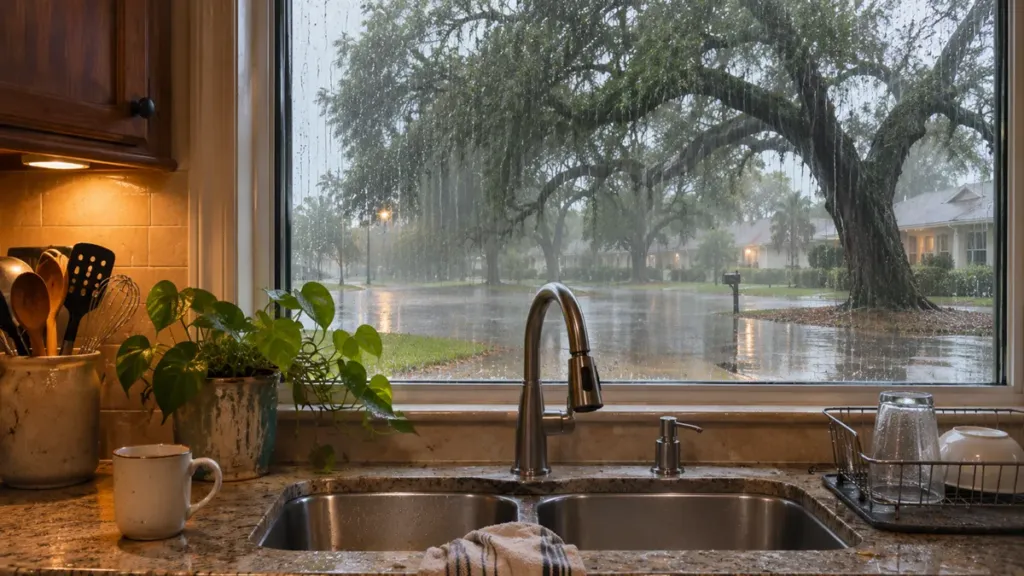
Florida is already dealing with serious flooding. On November 20, WESH reported that the St. Johns River had reached record levels near Cocoa, with major flooding forecast around Sanford and DeLand. Some parts of the watershed had received more than 28 inches of rain. The flooding followed an exceptional rainfall event, although forecasters have not attributed it directly to El Niño. Still, it comes as the Pacific weather pattern continues to strengthen ahead of winter.
The World Meteorological Organization forecast that a key patch of the central Pacific, called Niño 3.4, could average around 3.8°C above normal from November 2026 through January 2027, based on its computer models. NOAA’s November 12 update put the likelihood of a strong-to-very-strong El Niño continuing through January to March 2027 above 79%.
What is El Niño, in simple words?
El Niño develops when the usual trade winds across the tropical Pacific weaken. Warm surface water that normally collects near Asia moves east toward South America. This affects rainfall and atmospheric circulation across large parts of the world.
The United States often sees a stronger southern storm track during El Niño winters. That can bring more rain to parts of the South and warmer conditions to parts of the North.
The term “Super El Niño” isn’t an official scientific category. Instead, it’s generally used for exceptionally strong events, like those of 1982 to 1983, 1997 to 1998 and 2015 to 2016.
How strong is this El Niño compared with past ones?
NOAA monitors El Niño using several ocean temperature measurements. One of the best-known is the Oceanic Niño Index (ONI), which measures the three-month average temperature anomaly in the central Pacific. Here is how the biggest past events compare with this one so far:
| El Niño | Peak ONI | Peak period |
|---|---|---|
| 1982 to 1983 | 2.1°C | Nov to Jan |
| 1997 to 1998 | 2.4°C | Nov to Jan |
| 2015 to 2016 | 2.6°C | Nov to Jan |
| 2026 to 2027 (so far) | 2.5°C | Aug to Oct 2026, still rising |
The 2026 number is preliminary and the event hasn’t peaked yet. NOAA’s November 12 update also reported a monthly Niño 3.4 reading of +2.5°C, a different measurement from the three-month ONI in the table.
However, it’s worth noting that the current event is already exceptionally strong, and NOAA puts the chance of a historic event, stronger than any El Niño on record since 1950 by its own measure, at around 60%. Whether it breaks the previous record will depend on how temperatures develop over the next few months.
What could change at your house this winter?
NOAA’s outlooks cover whole regions, so here’s what each change could mean at home, with a few things to do about it.
More rain across the South
NOAA’s winter outlook favors above-normal precipitation across parts of California, the Southwest, the southern Plains and the Southeast. Florida and surrounding areas have particularly high chances of a wetter-than-normal winter.
If you live in one of these regions, check your property’s drainage before the heavy winter rains arrive. Gutters, basement windows and drains around the house are common places where water can enter. Also check local flood maps if you live near a river or in a low-lying neighborhood.
Flooding and mudslides
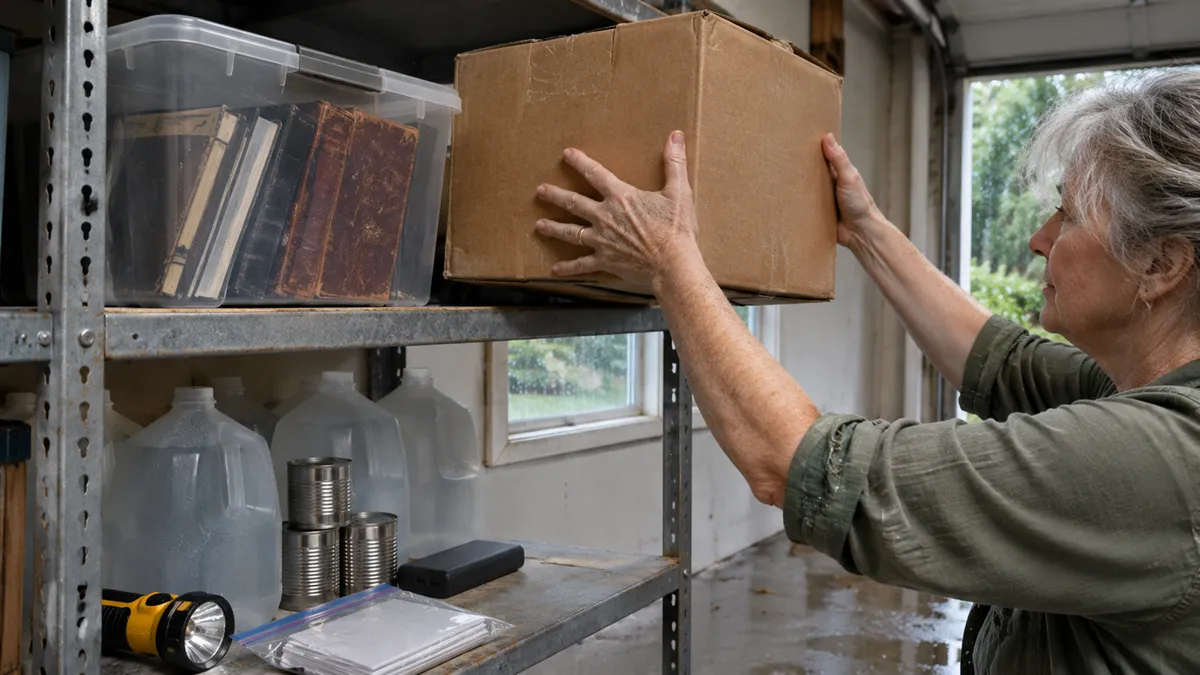
Saturated ground cannot absorb much additional rain. Rivers can rise quickly, drainage systems can become overwhelmed, and steep slopes may become unstable.
Parts of California and the West also face the possibility of atmospheric rivers. These are long bands of moisture that carry large amounts of water from the Pacific, sometimes producing several days of heavy rain.
The St. Johns River flooding in Florida shows how serious prolonged rainfall can become. River levels can remain high for weeks, even after the rain has stopped. If your area has a flood warning, follow local evacuation instructions and never drive through standing water.
A milder winter up North
Much of the northern United States, including the Pacific Northwest, the Great Lakes and the interior Northeast, has increased odds of above-normal winter temperatures.
That doesn’t rule out snowstorms. NOAA’s seasonal outlook describes average conditions over several months, and not the weather on a particular day. A region can have a warmer-than-normal winter and still experience freezing temperatures or heavy snowfall.
National Weather Service director Ken Graham made a similar point in comments reported by the Associated Press. To be safe, keep your usual winter equipment and supplies ready.
Storms and power outages
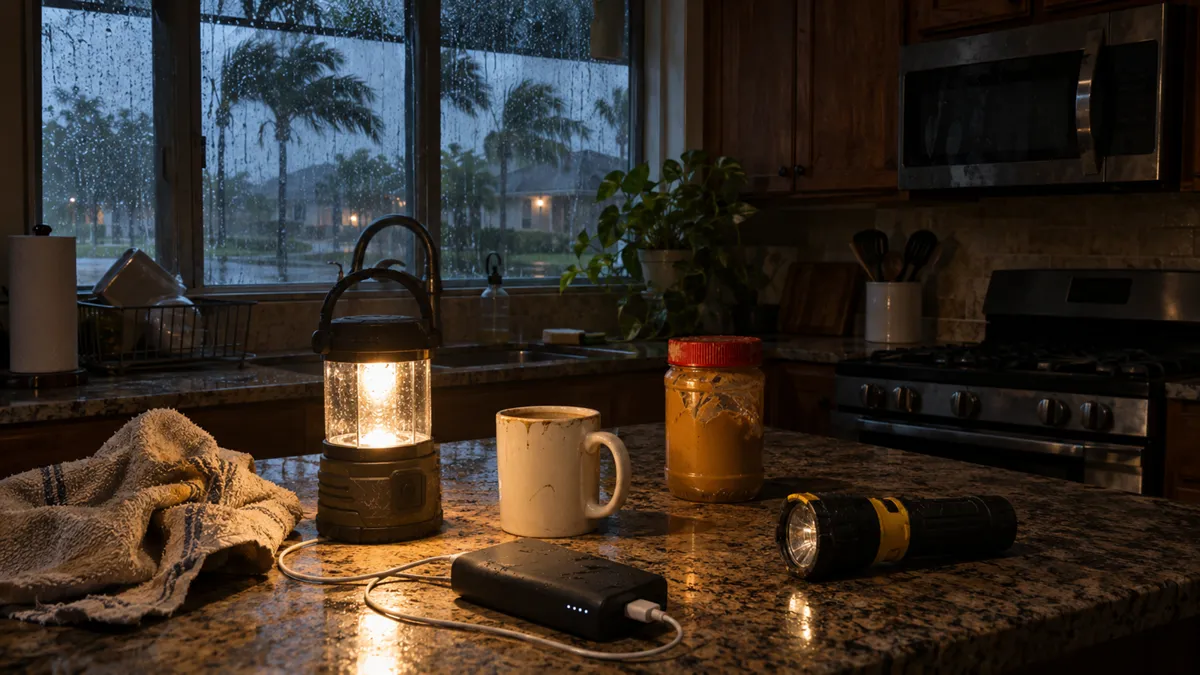
Heavy rain and strong winds can bring down trees and damage power lines. Some areas may also experience severe thunderstorms and tornadoes.
A prolonged outage can leave you without heating, refrigeration or a reliable way to charge your phone. Keep a few flashlights, spare batteries and power banks at home. Have food available that you can eat without cooking, and know how to report an outage to your power company.
Coffee and chocolate may cost more
Coffee, cocoa, palm oil and some tropical fruits are among the agricultural products that can be affected by El Niño. Changes in rainfall and temperature can damage crops or reduce harvests in major growing regions.
A Hawaii News Now report published in October warned of possible price increases for coffee, chocolate, some fruits and nuts, and palm oil.
The actual effect on supermarket prices will depend on harvests, existing supply levels and transport costs. You may notice price changes at different times, depending on where your food comes from.
Some drought relief
Not every part of the country is facing a wetter outlook. NOAA’s seasonal drought outlook expects drought to end across the Southeast and to improve along the East Coast, in the Southwest and in western Oregon and Washington.
Not everyone gets relief. Drought may stay about the same in the northern Plains and could develop or get worse in the northern Rockies.
Rainfall can improve soil moisture and water supplies, but reservoirs and groundwater levels may take longer to recover.
What should you get ready for Super El Niño 2026?
You don’t need to spend a fortune preparing for winter. Start with supplies that will help your household manage a few days without electricity, easy access to stores or normal travel.
For the gear side, our emergency kit builder has a storm and flood kit, sized for your family.
A quick winter storm checklist to keep
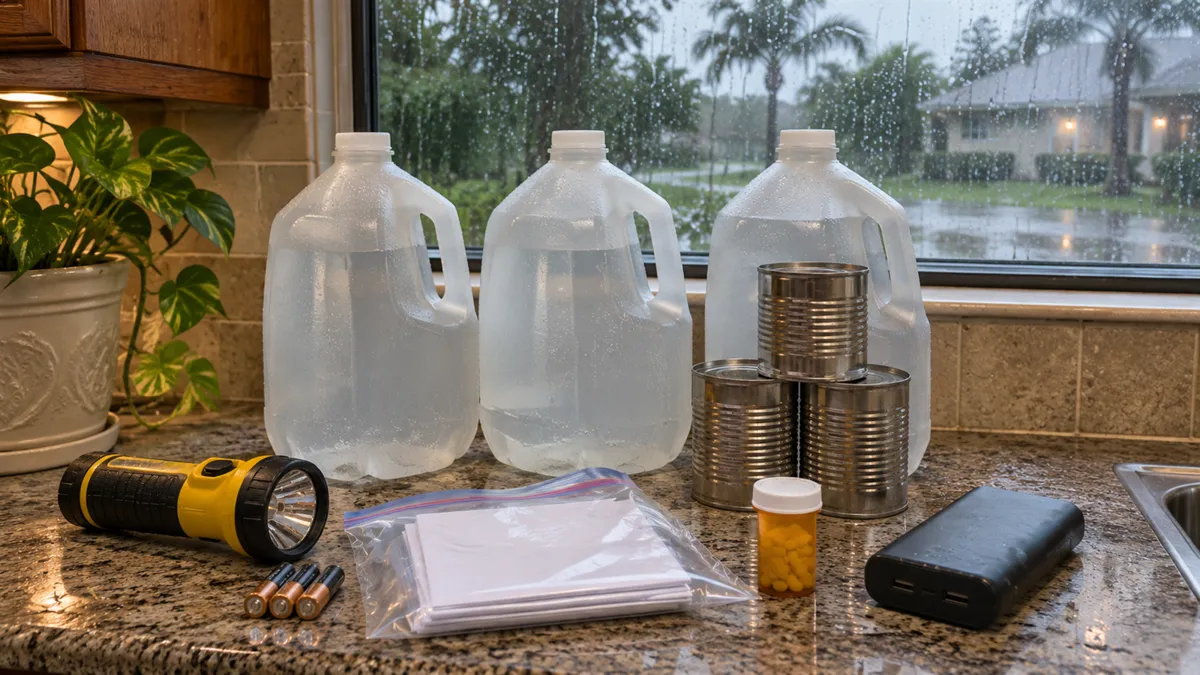
Water: Store at least one gallon per person per day for several days. See Ready.gov’s water guidance on this.
Food: Keep shelf-stable meals and snacks that your family will actually eat. Our food storage calculator can help you estimate the required quantities.
Light and power: Have working flashlights, spare batteries and charged power banks. Avoid relying on candles during an outage.
Important papers: Keep IDs, insurance documents and prescriptions in a waterproof bag. Save digital copies as well.
Medicine: Refill regular prescriptions before severe weather arrives. Keep a few extra days’ supply if your pharmacy and prescription rules allow it.
Flood protection: Clear gutters and drains. Move valuables, electrical equipment and important belongings away from basement floors.
Insurance: Check your policy and ask your insurer whether you need separate flood coverage.
If you live near a river, coast or flood-prone neighborhood, check your insurance now. FEMA says new flood insurance policies generally have a 30-day waiting period, with some exceptions. And FloodSmart explains what standard homeowners’ insurance does and doesn’t cover.
Food safety is another concern during power outages. Our guide to power outage food includes a three-day no-cook shopping list, with prices and advice on storing food safely.
The free calculator and checklist are enough to get your preparations started. If you prefer having it all on paper, our Flood Prep Planner ($3.90, 18 printable pages) walks you through the insurance call, a room-by-room home inventory for claims, and what to do when the water goes down. Print it and keep it with your important papers.
Super El Niño 2026 FAQs
Will El Niño make this winter colder?
Across much of the northern United States, NOAA expects warmer-than-normal average temperatures. Parts of the Southeast are more likely to have near-normal temperatures. Cold spells still remain a possibility and individual snowstorms haven’t been ruled out.
Is the 2026 El Niño the strongest ever?
It may be, but it is too early to confirm. The 2015 to 2016 event reached a peak ONI of 2.6°C. This year’s ONI had reached 2.5°C by August to October 2026, and NOAA’s November update put the monthly Niño 3.4 reading at +2.5°C. The current event is still strengthening, so its final ranking is not yet known.
What should I stock up on for El Niño?
Start with drinking water, shelf-stable food, batteries, flashlights, phone power banks and essential medicines. If your property is prone to flooding, keep important documents and valuables somewhere safe from rising water. In colder regions, make sure you have your usual winter supplies.
Has your street flooded before? If it has, that’s the place to start.
Wet weather is likely for much of the country. A little prep this month makes it just another soggy winter.
Sources
- WMO Global Seasonal Climate Update, October 21, 2026
- NOAA Climate Prediction Center, winter outlook discussion, October 15, 2026
- FOX10 News on NOAA’s November 12, 2026 ENSO update; Newsweek
- NOAA Oceanic Niño Index
- NOAA Seasonal Drought Outlook
- Associated Press via ABC30
- WESH 2 News, St. Johns River flooding, November 20, 2026
- Hawaii News Now, October 2, 2026
- Ready.gov; FEMA
- FloodSmart.gov

Comments
Comments appear right away. We remove spam, sales links and personal attacks.
No comments yet. Yours can be the first.