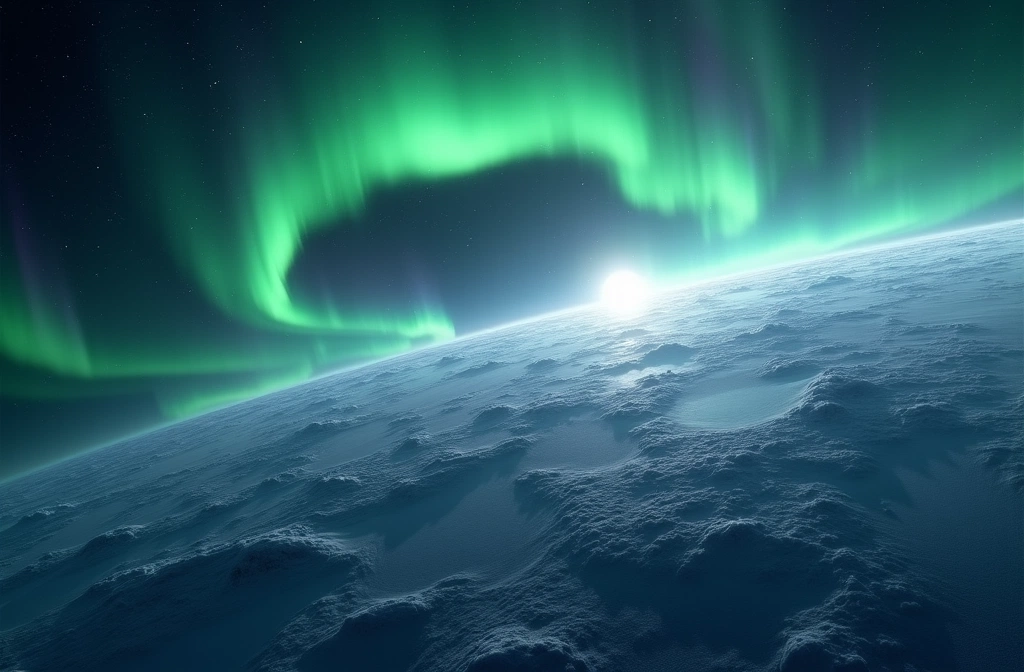
NOAA reported moderate (G2) geomagnetic storming on August 2, 2026, according to the Space Weather Prediction Center. G2 events fall in the mid-range of the five-level geomagnetic storm scale—below the severe (G4) and extreme (G5) categories, but above minor disturbances.
What matters operationally: G2 storms can degrade high-frequency radio propagation used by aviation and maritime operations, cause minor fluctuations in power grid voltage regulation, and increase tracking errors for some satellite systems. Ground-to-satellite communication links may experience brief interruptions. GPS accuracy can degrade in some regions, though consumer devices typically remain functional.
For infrastructure operators, G2 events are routine triggers for heightened monitoring protocols. Utilities typically activate contingency staffing and increase voltage support on vulnerable transmission corridors. Power outages are not automatic at G2—the grid is designed with these storms in mind—but localized voltage sags can stress load-sensitive equipment.
For preparedness practitioners, G2 storming is a useful reminder of where your dependencies sit. If you rely on HF radio for emergency comms, this is live-fire testing of propagation conditions. If you depend on GPS timing for critical operations, now is the time to verify non-GPS backup clocks. If your home has solar microinverters or smart grid devices, confirm manual disconnect protocols in case of grid instability.
The key question is not whether this storm will knock out the grid—G2 is not that scale—but whether it reveals gaps in your specific operational chain. NOAA continues to issue daily space weather forecasts; readers should monitor the Space Weather Prediction Center (.gov) for updates on storm intensity and duration.