Intel Flash 160 reports
Breaking preparedness intelligence — curated and analyzed by Morgan Reed.

 AI Generated — EMPSurvive.com
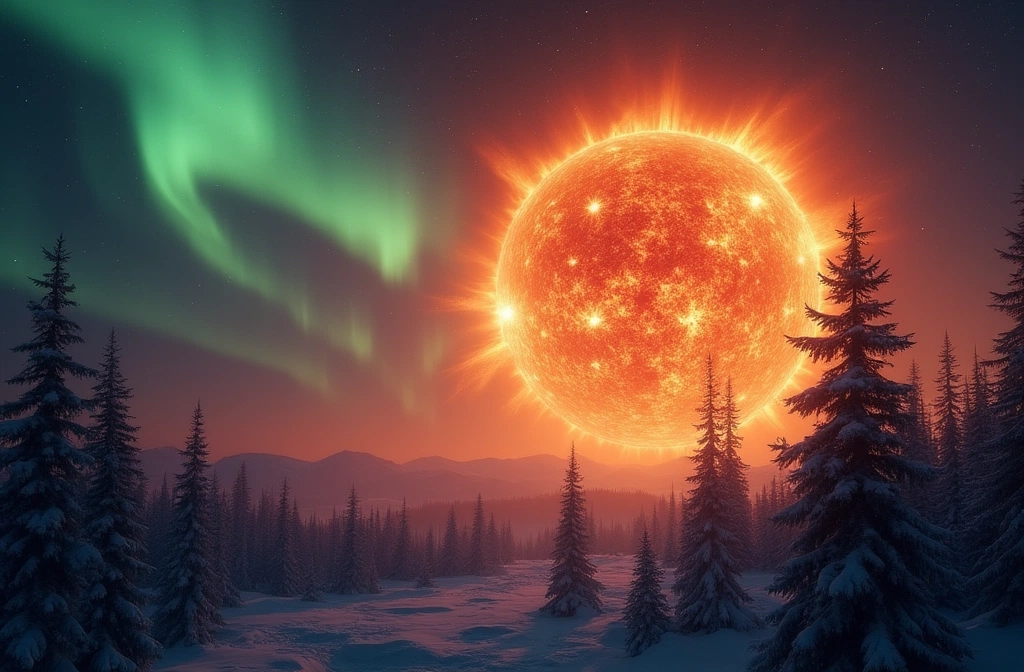
 Large Sunspot Triggers Minor Geomagnetic Storm Risk; Aurora Visible in Southern Latitudes
A C8.7 solar flare from an arriving large sunspot could push geomagnetic activity into minor storm territory. According to EarthSky, southern hemisphere observers in New Zealand and similar latitudes have the best aurora prospects.
 AI Generated — EMPSurvive.com
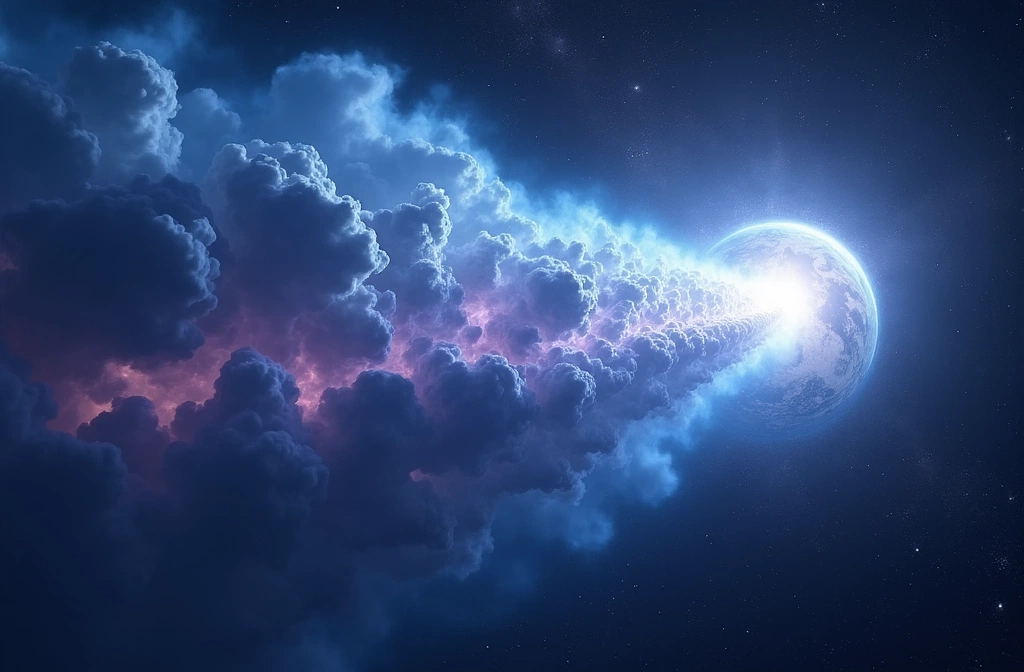
 Solar Magnetic Cloud Expands 20% En Route to Earth, Iowa Study Reveals
A University of Iowa-led physics team has documented significant expansion of a magnetic cloud ejected from the sun, raising questions about the intensity of solar particle impacts on Earth. Spacecraft observations from multiple positions tracked the phenomenon in real time.
 AI Generated — EMPSurvive.com
 Solar Maximum Persists: G5 Storm in May 2024 Exposed Grid Vulnerability
The Sun's peak activity cycle isn't finished threatening critical infrastructure. A May 2024 geomagnetic storm reached extreme levels—and the risk window remains open.
 AI Generated — EMPSurvive.com
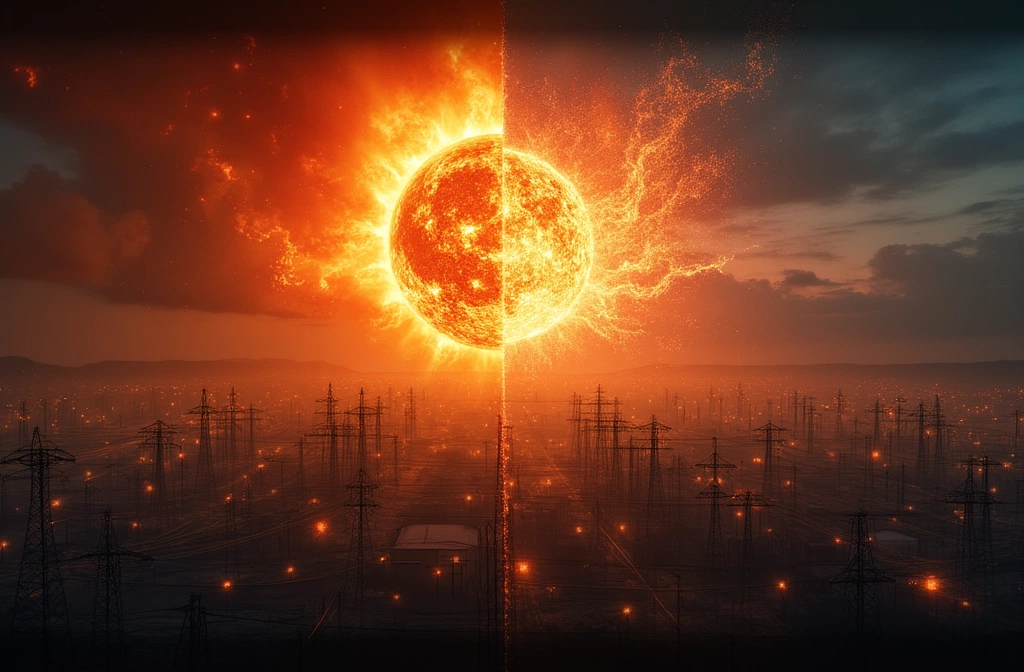
 CME Warning Window: 1-3 Days to Impact, No Time for Hardening
A coronal mass ejection can travel from the sun to Earth in just one to three days, according to Space Daily. That compressed timeline eliminates any opportunity to harden infrastructure or deploy emergency defenses after detection.
 AI Generated — EMPSurvive.com
 1859 Telegraph Operators Sent Messages on Storm Current Alone—No Batteries
During the Carbegriff Event, telegraph operators in Boston and Portland disconnected their power sources entirely yet continued transmitting on geomagnetic currents induced by the solar storm itself. The phenomenon reveals how extreme space weather can energize infrastructure in unexpected and potentially dangerous ways.
 AI Generated — EMPSurvive.com
 Quebec 1989: How 90 Seconds of Solar Storm Collapsed 6M People's Power Grid
On March 13, 1989, a coronal mass ejection from the Sun induced currents that took down Hydro-Québec's entire grid in 90 seconds. The event exposed a critical vulnerability in North American infrastructure that persists today.
 AI Generated — EMPSurvive.com
 G1 Geomagnetic Storm Destroyed 40 Starlink Satellites in 2022—Industry Forecasting Gaps Exposed
A minor geomagnetic storm in February 2022 disabled 40 newly deployed Starlink satellites within days—the largest single-event satellite loss in Starlink history. The incident exposes critical blind spots in space weather forecasting and satellite resilience.
 AI Generated — EMPSurvive.com
 Two CMEs in Pipeline: G1 Storm Possible June 23–24
An M6.8 solar flare has erupted as two coronal mass ejections from mid-June remain on approach. Geomagnetic storm potential is low but not zero—and timing matters.
 AI Generated — EMPSurvive.com
 Grid India Pivots Thermal Plants to Stability Role as Renewables Reshape Power Mix
Grid India is proposing a functional shift for aging thermal power plants—away from generation and toward grid stabilization. As solar and wind reshape India's electricity architecture, this model could signal how legacy infrastructure adapts to renewable dominance.