Intel Flash68 reports
Breaking preparedness intelligence — curated and analyzed by Morgan Reed.

G2 Geomagnetic Storm Active: SpaceWeather.gov Confirms Solar Event
A G2-level geomagnetic storm is currently active as of June 5-7, 2026, according to SpaceWeather.gov. This is the threshold at which power grid operators and satellite operators begin implementing protective protocols.
 Magnolia Reporter - Magnolia, Arkansas News
Solar Storm Aftermath: Geomagnetic Activity Elevated Following CME Impact
NOAA's Space Weather Prediction Center confirmed a coronal mass ejection reached Earth on June 5, following multiple significant solar eruptions earlier this week. Space weather conditions remain elevated—a signal to monitor grid and communications resilience.
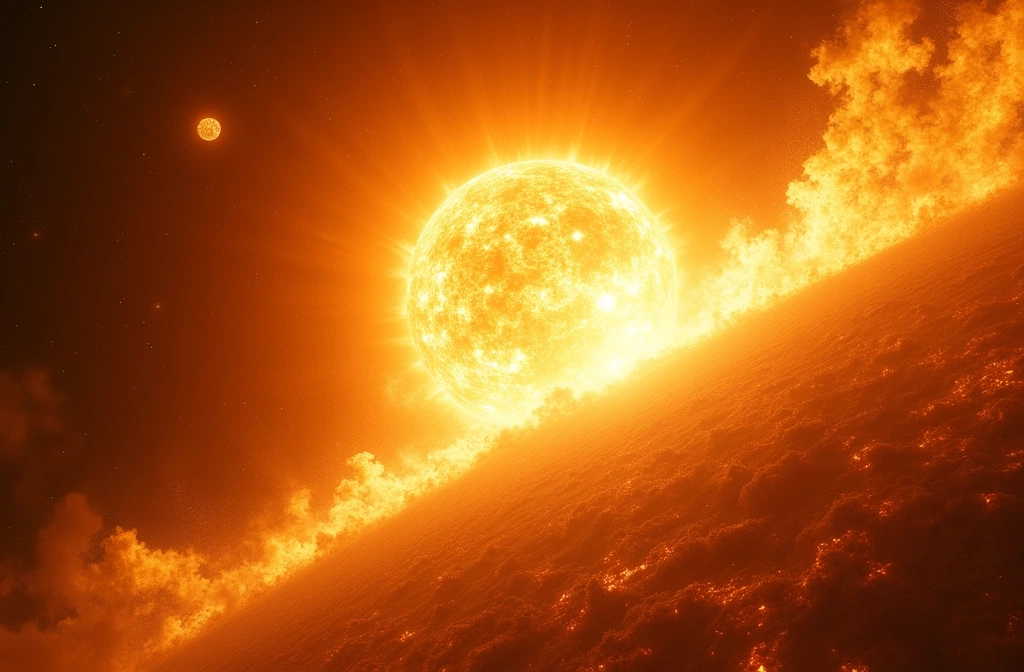
 AI Generated — EMPSurvive.com
Cannibal CME Approaching: G2 Geomagnetic Storm Watch as Kp Index Climbs
A coronal mass ejection is en route to Earth with potential to trigger a G2-level geomagnetic storm. Current conditions remain unsettled, but NOAA data shows the Kp index could climb rapidly once impact arrives.
 The Edwardsville Intelligencer
Geomagnetic Storm Watch Issued: Strong G-Level Event Expected June 4
NOAA has issued a strong geomagnetic storm watch for June 4, 2026, with northern lights visible across multiple U.S. states. This is the first major solar event watch of the month and warrants baseline infrastructure monitoring.
Geomagnetic Storm Watch Active: Aurora Activity Rising Across North America
A geomagnetic storm watch is now in effect as aurora activity intensifies across northern regions. This is the operational window to verify grid monitoring systems and communication backups before potential impacts escalate.
Cannibal CME Watch: Strong Geomagnetic Storm Alert as Solar Event Approaches
A coronal mass ejection classified as a 'cannibal CME' is tracking toward Earth, prompting geomagnetic storm watches. The event underscores the need for realistic preparedness planning around solar weather and grid vulnerability.
 ABC News
NOAA Issues Geomagnetic Storm Watch After Rare Solar Flares
NOAA has issued a strong geomagnetic storm watch following rare solar flare activity. This is an active threat window — know what systems are at risk and what to monitor.
 AI Generated — EMPSurvive.com
M9.3 Solar Flares from AR 4455 Launch Earth-Directed CMEs
Two major solar flares erupted from Active Region 4455 on June 3, 2026, sending coronal mass ejections toward Earth. NOAA monitoring shows current radiation conditions remain below S-scale thresholds, but the risk window extends through June 5.
 The Watchers
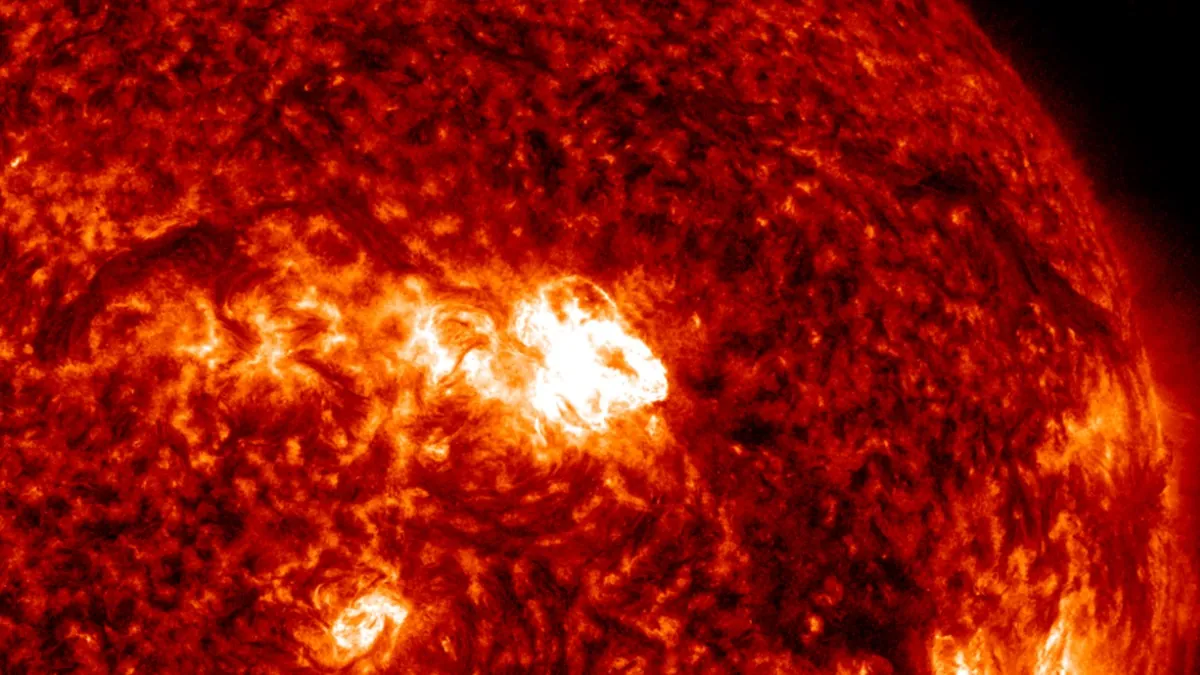
X1.0 Solar Flare from Region 4455 Triggers R3 Radio Blackouts
An X1.0 solar flare erupted from Active Region 4455 on June 3, 2026, producing strong radio blackout conditions across the sunlit side of Earth. This is the signal to watch HF communications and grid monitoring systems closely.