

EMP Shield Review: Does It Really Work? What’s Tested and What Isn’t

In this guide
- What is an EMP Shield, in plain words?
- So does EMP Shield really work?
- Which models does your property need?
- What does a whole property cost?
- How is it different from a regular whole-house surge protector?
- What do the warranty and the $25,000 policy cover?
- Is EMP Shield legit?
- What should you do alongside it?
- Frequently asked questions
- Sources
Short answer: yes, it passed the test it advertises. In 2019 an outside lab ran EMP Shield through the military’s EMP test surges, and every unit came out undamaged. If EMP is the reason you’re shopping, this is the one we’d point you to, because you can read the lab report yourself. Below: what the test covers, which models your property needs, and what the whole job costs.
We have not tested this product ourselves. Some links on this page are affiliate links: if you buy through them we may earn a commission, at no extra cost to you.
What is an EMP Shield, in plain words?
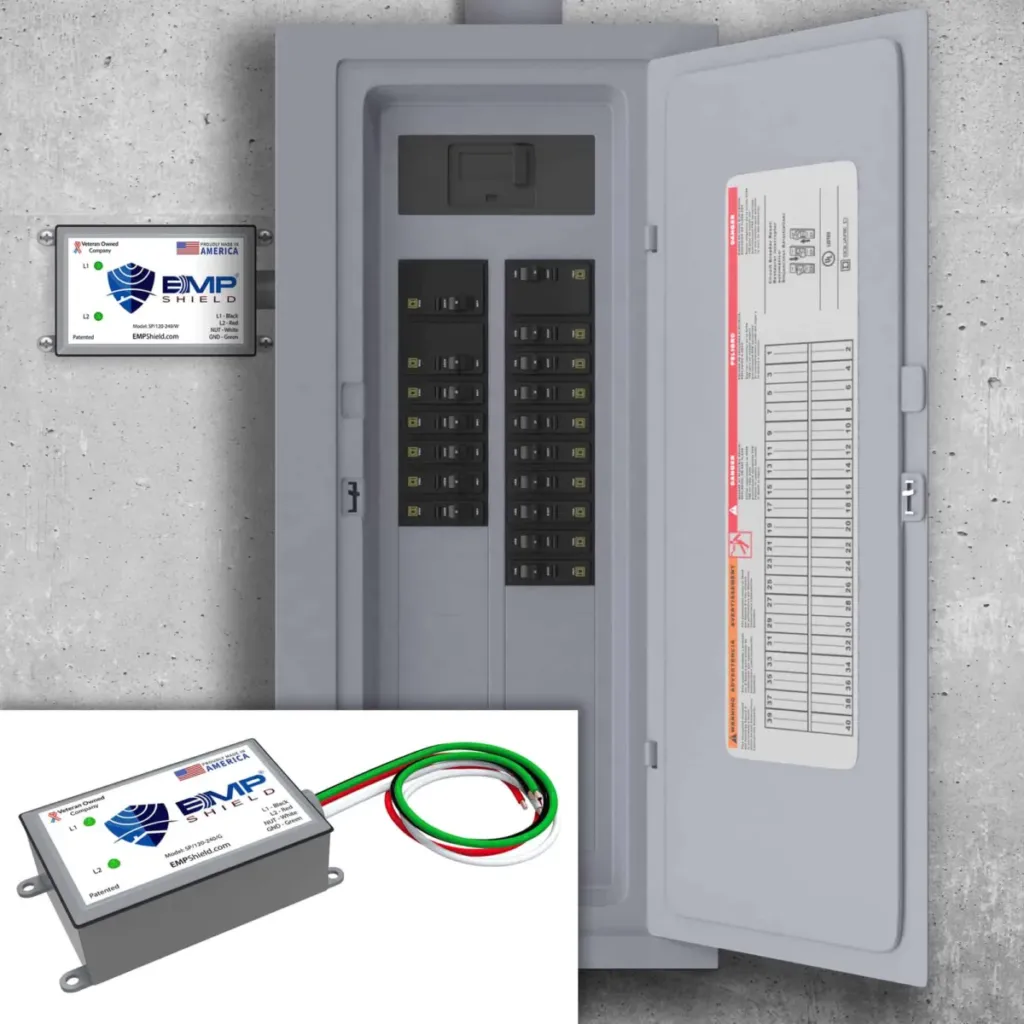
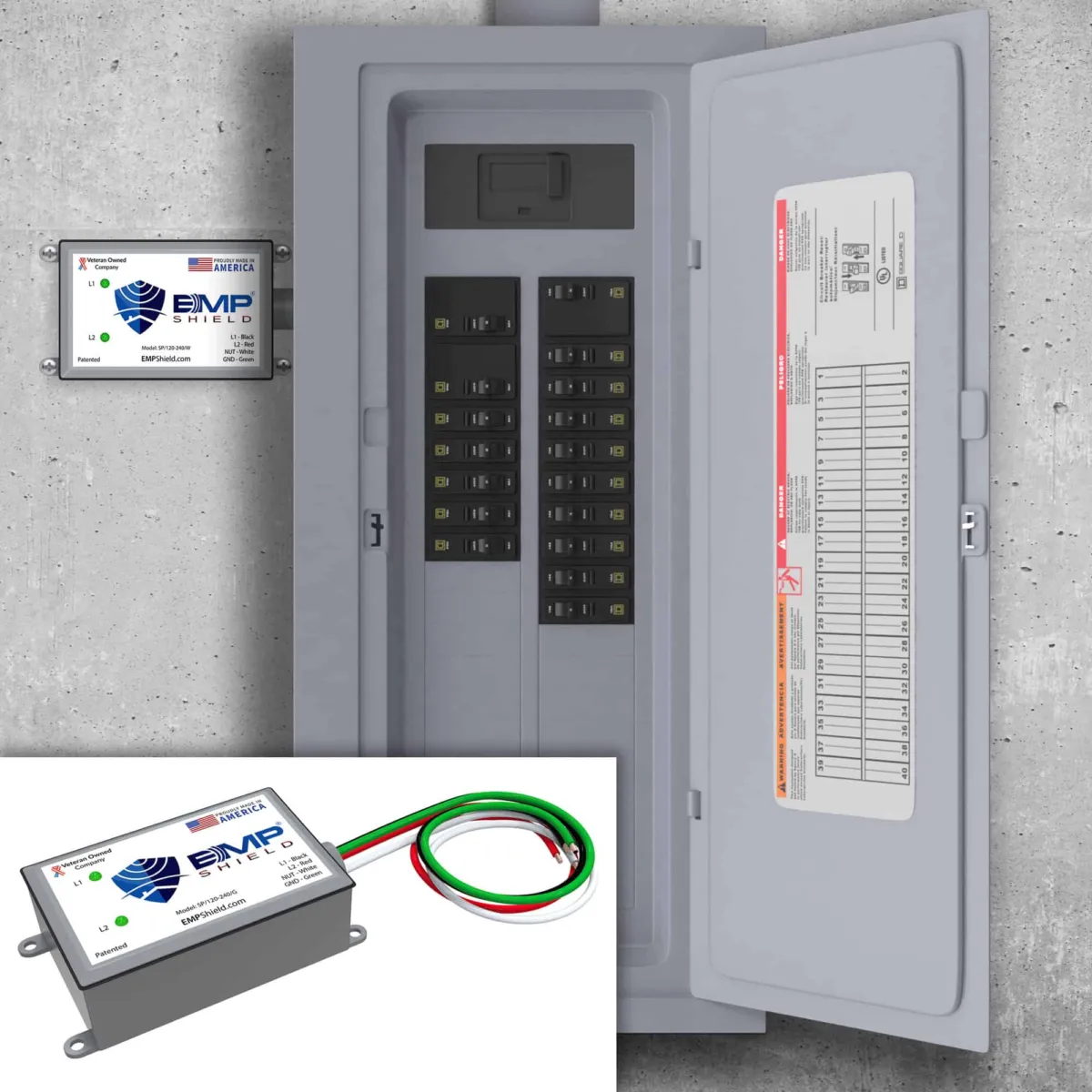
It’s a surge protector for a whole electrical system, about the size of a paperback book. On a house it sits right beside the breaker panel. When a sudden spike of electricity comes down the line, the device gives that spike a shortcut to the ground wire, so less of it reaches your equipment.
An EMP, short for electromagnetic pulse, is a burst of energy from a nuclear blast high above the earth. A strong solar storm can do something similar, only slower. Both can push damaging surges into power lines, the way a nearby lightning strike does.
So does EMP Shield really work?
Here’s what the lab found. In March 2019 a Pennsylvania test lab, Keystone Compliance, put the home, vehicle and antenna units through the surges in the military’s EMP test standard. Every unit passed, with no damage. EMP Shield paid for the test, which is normal, and the 129-page report is public.
The approach is the one the government recommends. The Department of Homeland Security’s 2019 EMP guide puts surge protectors in its most basic level of protection. It also names EMP Shield in its list of companies that sell this kind of gear. That’s a mention, not a stamp of approval: the guide says it endorses no product.
Know the limit of the test, too. It shows the units survive the surges. It doesn’t put a number on how much reaches each appliance behind them, so treat this as strong protection, not a guarantee for every device you own.
Our verdict: for a home you want protected against EMP, lightning and grid surges, it’s the choice with the best paper trail. Buy one unit for each electrical system you own.
Which models does your property need?
One unit protects one electrical system. So count yours: the house, the generator, the solar setup, each vehicle. Prices are from the company’s site on November 17, 2026.
| What you have | Model | Price | Who installs it |
|---|---|---|---|
| House on utility power | Home model, beside the breaker panel | $399 to $409 | Licensed electrician |
| Standby or portable generator | Whole Home Generator model | $379 | Licensed electrician |
| Car or truck | Vehicle model, on the battery | $399 each | You can; the company says under 10 minutes |
| Motorcycle, ATV, crowded engine bay | Vehicle MICRO | $449 each | You can |
| Solar panels or wind | Solar & Wind model | From $389 | Your solar installer or electrician |
| Rented home | Plug-in (portable) model | $379 | Plugs into an outlet |
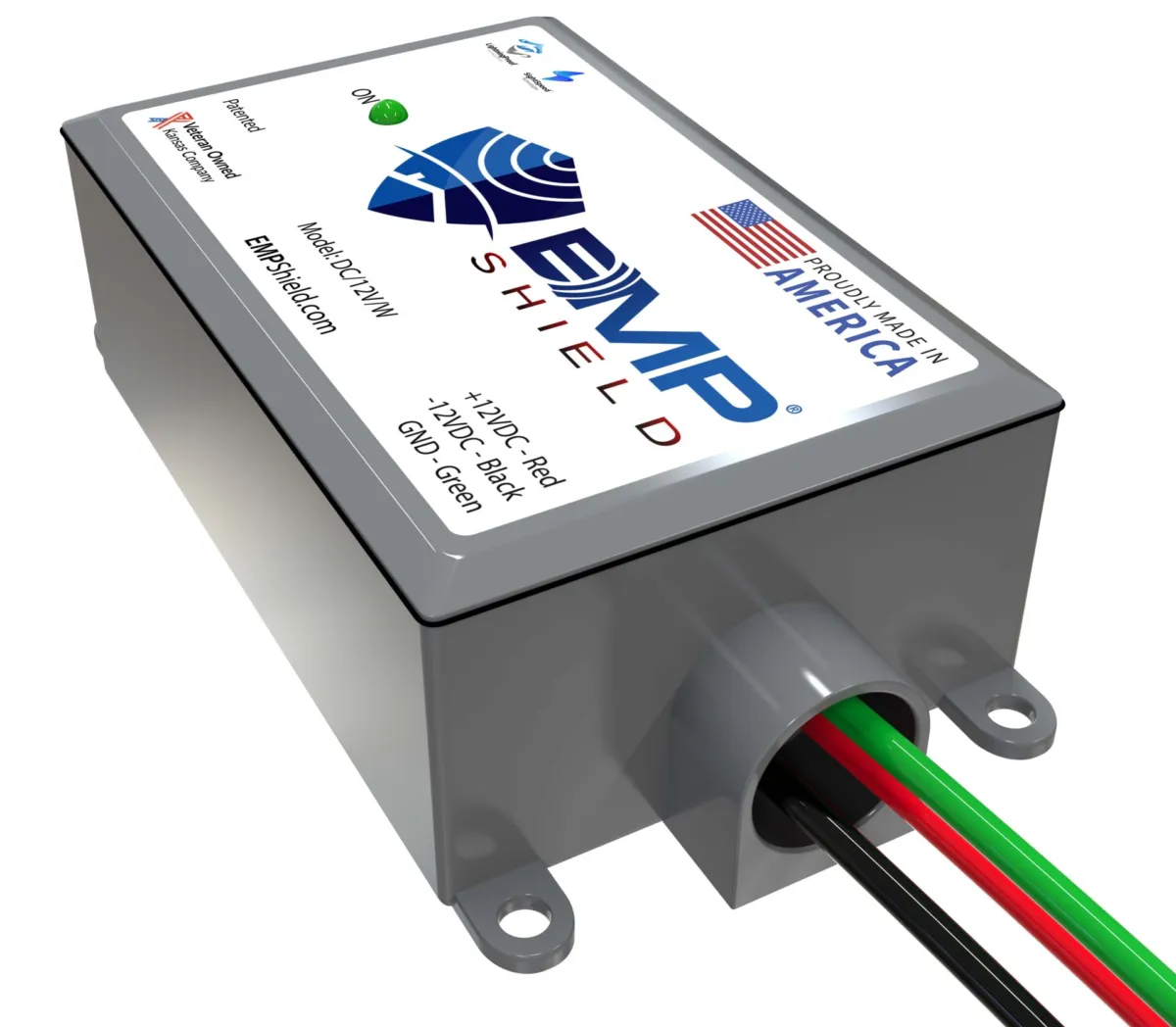
For solar, the unit goes on the first piece of equipment after the panels, usually the inverter. You pick the model by the top voltage that equipment accepts, which is printed on its label.
What does a whole property cost?
Here’s a common setup: one house, one standby generator and two trucks. At the prices above that’s $399 + $379 + $399 + $399, or $1,576 before any sale or code. Add a solar unit and you’re at about $1,965. The company sells this same set as its All Inclusive Protection Bundle, and smaller bundles for a home and one vehicle or for vehicles only.
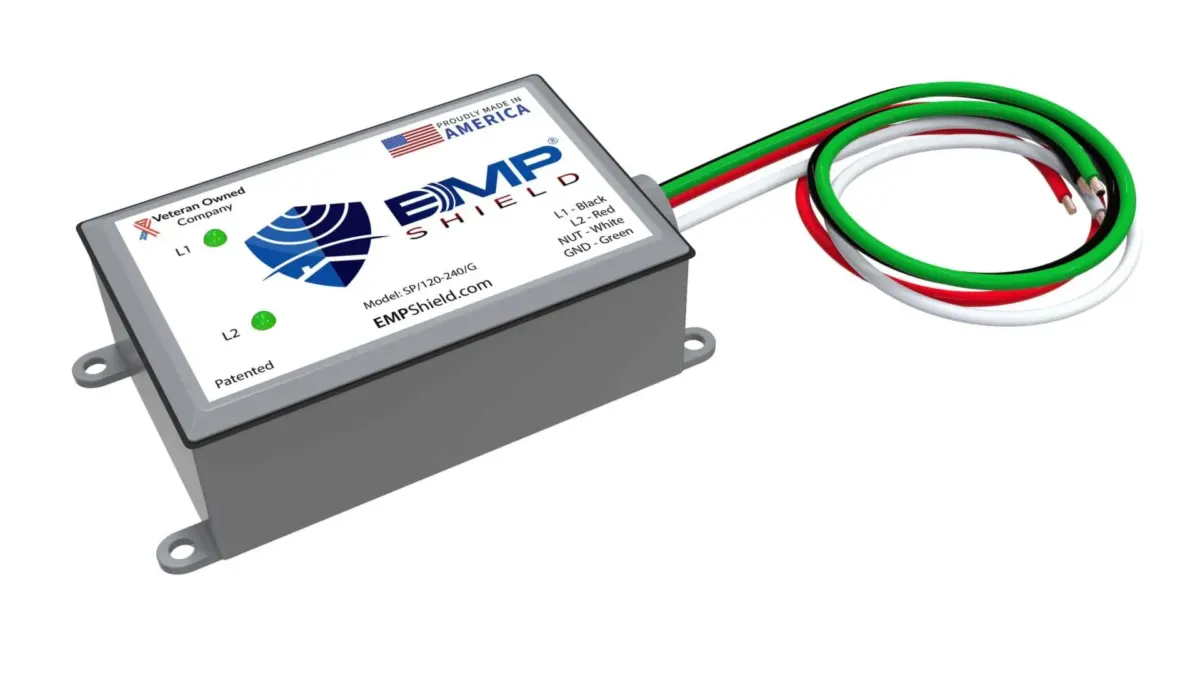
Plan on an electrician’s visit for the house and generator units; the price depends on your area. The install guide calls for a 20-amp breaker for each unit and short wires, with the unit mounted right next to the panel.
What to do: if your house has two breaker panels or a 400-amp service, call the company with your layout before you order. The install guide doesn’t say how many units that takes.
The button adds the code for you. You can also type it into the coupon box at checkout.
Want the price of every model on one page? Our sister site, EMP Shield Review, lists each model with its price and walks you through using the code at checkout, step by step.
How is it different from a regular whole-house surge protector?
A regular one from the hardware store costs less and is built for lightning. The government’s guide says most lightning protectors let more of a fast EMP spike slip past. EMP Shield is sold on speed and on having the EMP lab test behind it. The speed figure, under a billionth of a second, is the company’s own.
So the choice is simple. For lightning and everyday surges alone, a regular one does the job. If EMP is why you’re shopping, this is the one with an EMP test report you can read.
What do the warranty and the $25,000 policy cover?
The warranty is called “lifetime” and runs 10 years. If a unit fails in that time, lightning included, the company replaces it for $50. A direct lightning strike can use the unit up; that’s how it’s designed to work.
The $25,000 policy pays for electronics damaged by a surge while the unit was in place. It only pays if a licensed electrician did the installation. You have 30 days to file, you need a dated receipt for each damaged item, and you must claim on your own insurance as well. Keep the electrician’s invoice with your receipts.
Green lights on the unit show it’s working. If one goes out, have your electrician check it.
Is EMP Shield legit?
Yes. It’s a real company, EMP Shield LLC in Burlington, Kansas, and it says it builds its units in Kansas. The product has a public lab report, a written warranty and a government guide that lists it by name.
The ads do go further than the lab report. And on reviews, the company’s site shows thousands of happy ones that it collects itself, while Trustpilot has only four, all unhappy. Four is too few to judge by.
What should you do alongside it?
The device protects equipment that’s wired in. Handheld gear is a separate job. The government’s guide says to keep spare electronics unplugged and inside a metal container, so put a spare radio, a phone and a flashlight in one. Our metal trash can article shows how.
And keep your own power. If the grid goes down, a protected house is still a dark house until the generator starts, which is the reason to protect the generator too.
Frequently asked questions
Does EMP Shield protect against solar flares?
The company says yes. The 2019 lab report covers the fast surges of an EMP. It doesn’t include a test of the slow, long surge that a big solar storm puts on power lines.
Do I need an electrician to install one?
For the home and generator models, yes. The install guide calls for a licensed electrician, and the $25,000 policy only pays if one did the work. The vehicle model connects to the battery, and most owners do that themselves.
How many EMP Shields do I need?
One for each electrical system: the house, the generator, the solar setup and each vehicle. For a house with more than one breaker panel, ask the company before ordering.
Order once, have the electrician out once, and it’s handled.
More from us: EMPShieldReview.com is our sister site about this one product: model prices, the coupon and a checkout walkthrough.
Sources
- Keystone Compliance, Test Report 1902-051E Rev. B for EMP Shield LLC (April 2019)
- Department of Homeland Security, EMP Protection and Resilience Guidelines for Critical Infrastructure and Equipment, version 2.2 (February 5, 2019)
- EMP Shield, Limited Lifetime Warranty and $25,000 Protection Policy
- EMP Shield, Installation Instructions V4 (paid link) (April 17, 2026)
- EMP Shield, company website (models, prices, bundles; read November 17, 2026)
- Trustpilot, empshield.com (read November 17, 2026)
Reviewed by the EMP Survive editorial team, November 17, 2026.
We earn a commission from some links on this page. Our reviews are based on research, specs and buyer reports.


Comments
Comments appear right away. We remove spam, sales links and personal attacks.
No comments yet. Yours can be the first.