Intel Flash 160 reports
Breaking preparedness intelligence — curated and analyzed by Morgan Reed.

 NASA Science
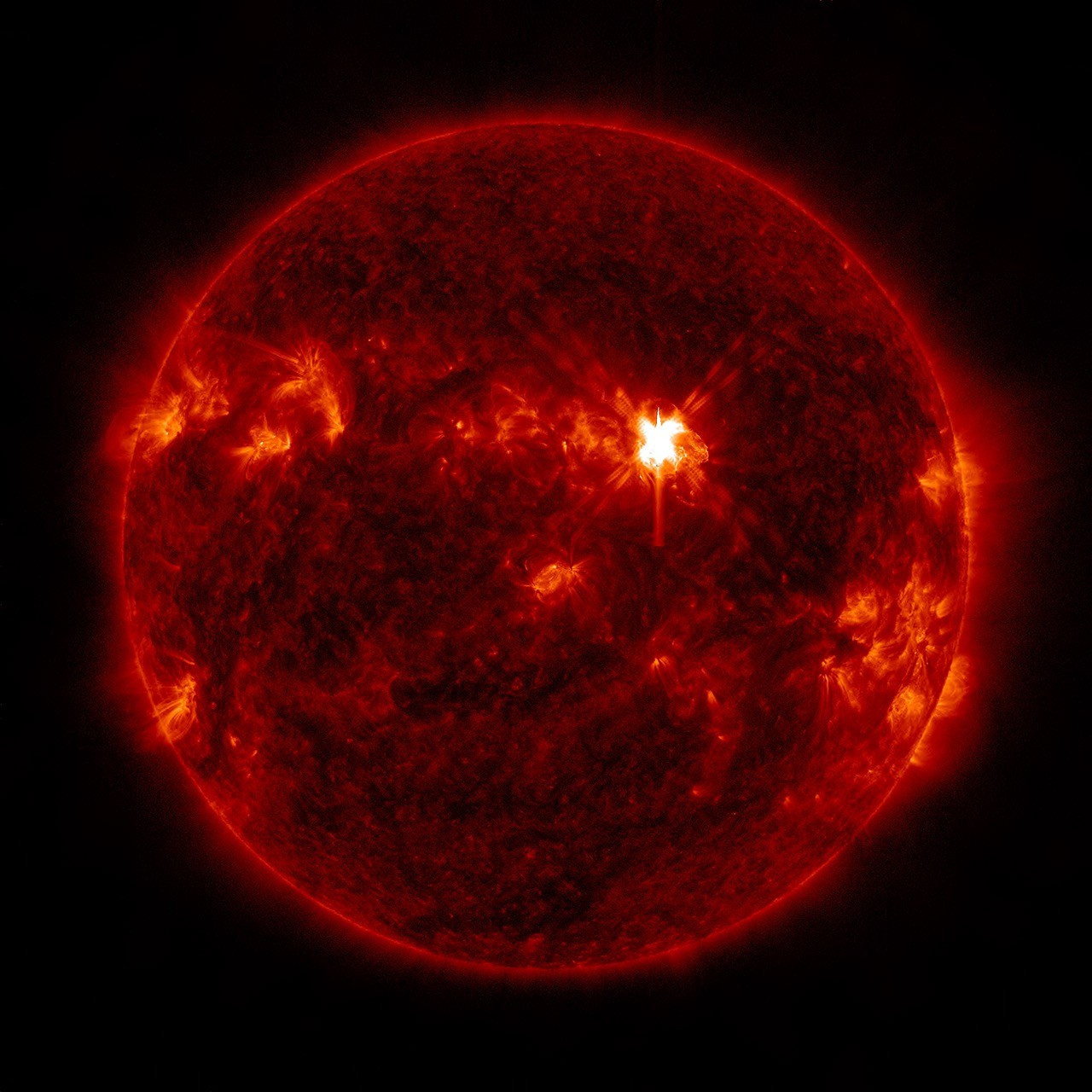
 NASA Observes Strong Solar Flare — Monitor for Coronal Mass Ejection Follow-up
NASA's Solar Dynamics Observatory captured a strong solar flare peaking at 7:28 a.m. ET on June 3, 2026. The critical next indicator: whether a coronal mass ejection accompanied the event and its trajectory toward Earth.
 EarthSky | Updates on your cosmos and world

 CME Component Expected June 6: M3.3 Flare Triggers Geomagnetic Alert
A coronal mass ejection triggered by an M3.3 solar flare on June 2 may deliver a secondary geomagnetic impact on June 6. High-latitude aurora watchers and grid operators should prepare for enhanced activity.
 AI Generated — EMPSurvive.com
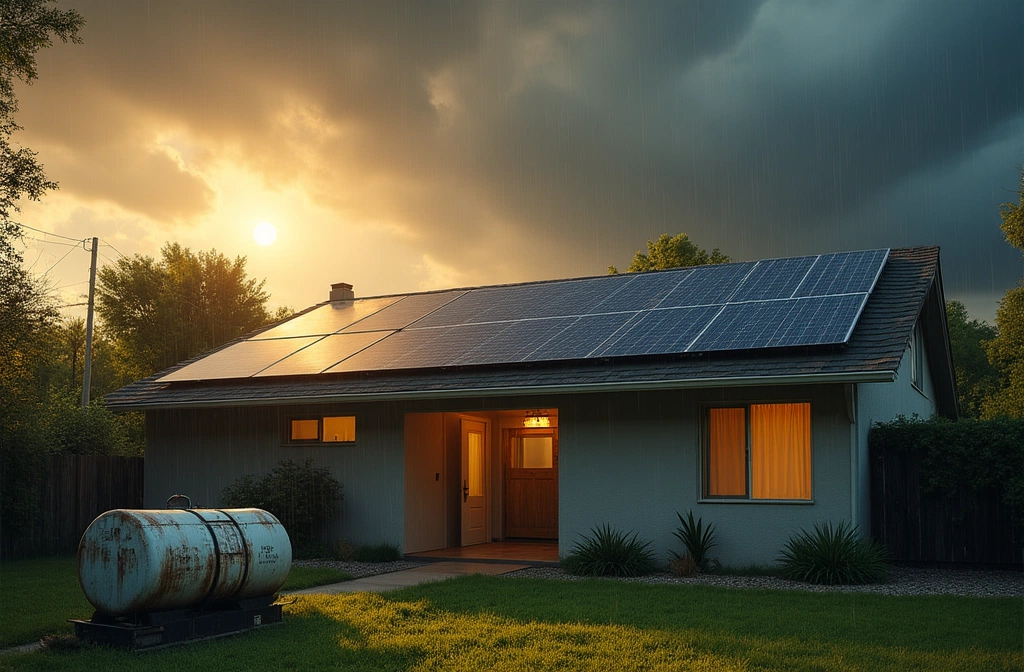
 Hurricane Season Shifts: Homeowners Move Beyond Gas Generators to Solar
As hurricane season approaches, a notable segment of homeowners is adopting solar batteries and portable power banks instead of traditional gas generators. This shift signals changing preferences in residential backup power—but readiness gaps remain.
 AI Generated — EMPSurvive.com
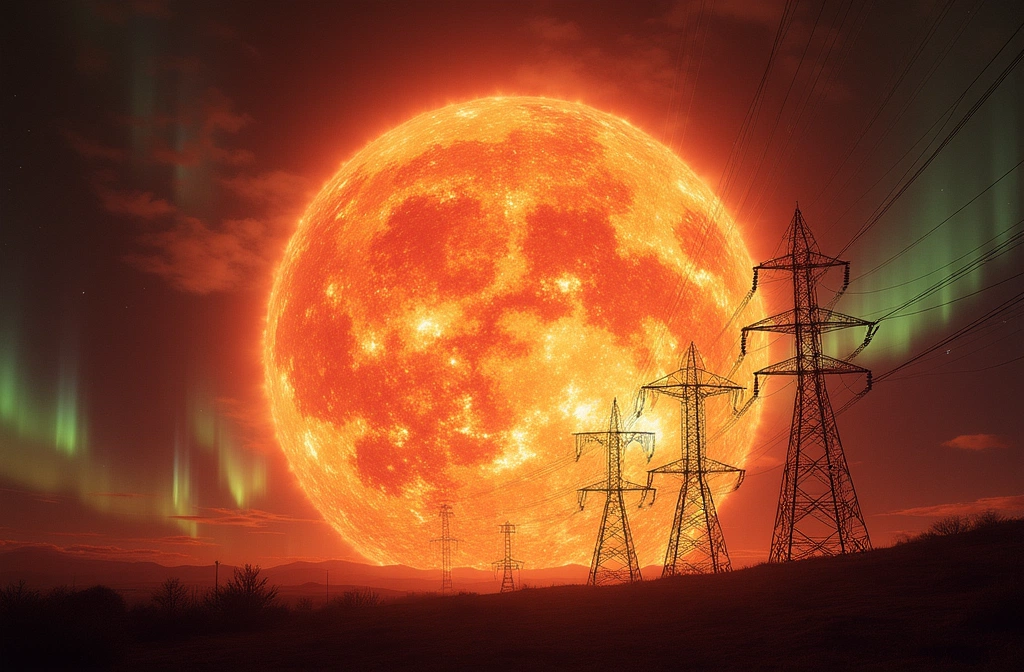
 Geomagnetic Storms Could Damage Power Transformers, NOAA and NASA Monitor
Solar activity poses a documented threat to electrical infrastructure. Geomagnetic storms can induce currents that damage transformers and trigger blackouts — a risk space agencies actively track.
 SolarQuarter
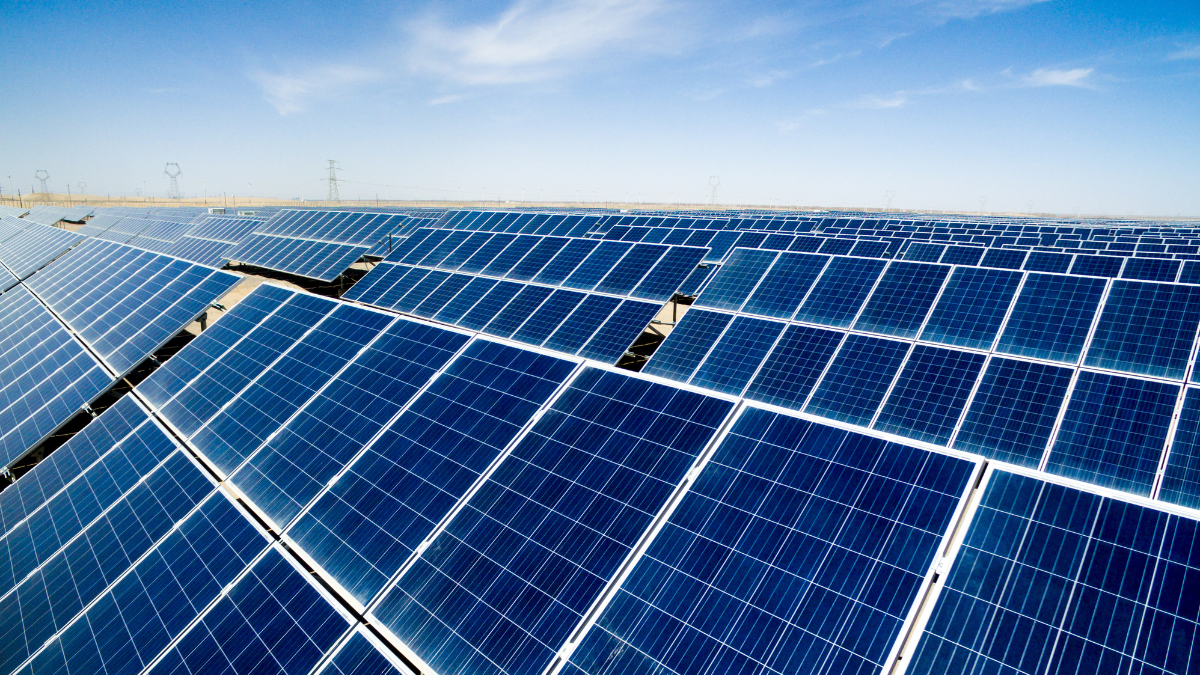
 AI Power Demand Straining U.S. Grids; Blackout Risk Growing This Summer
According to SolarQuarter, Jackery has highlighted a critical vulnerability: AI-driven electricity demand is pushing U.S. power grids toward capacity limits at the exact moment summer peak loads arrive. This isn't speculative—it's a structural stress now visible to equipment manufacturers.
 EarthSky | Updates on your cosmos and world

 G1 Geomagnetic Storm Underway: Solar Wind Surge Brings Aurora Risk
A coronal mass ejection has triggered minor geomagnetic storm conditions at high latitudes. According to NOAA, effects are expected to wane by June 1 — but the event underscores ongoing solar activity and the need for grid monitoring.
 Tech Times
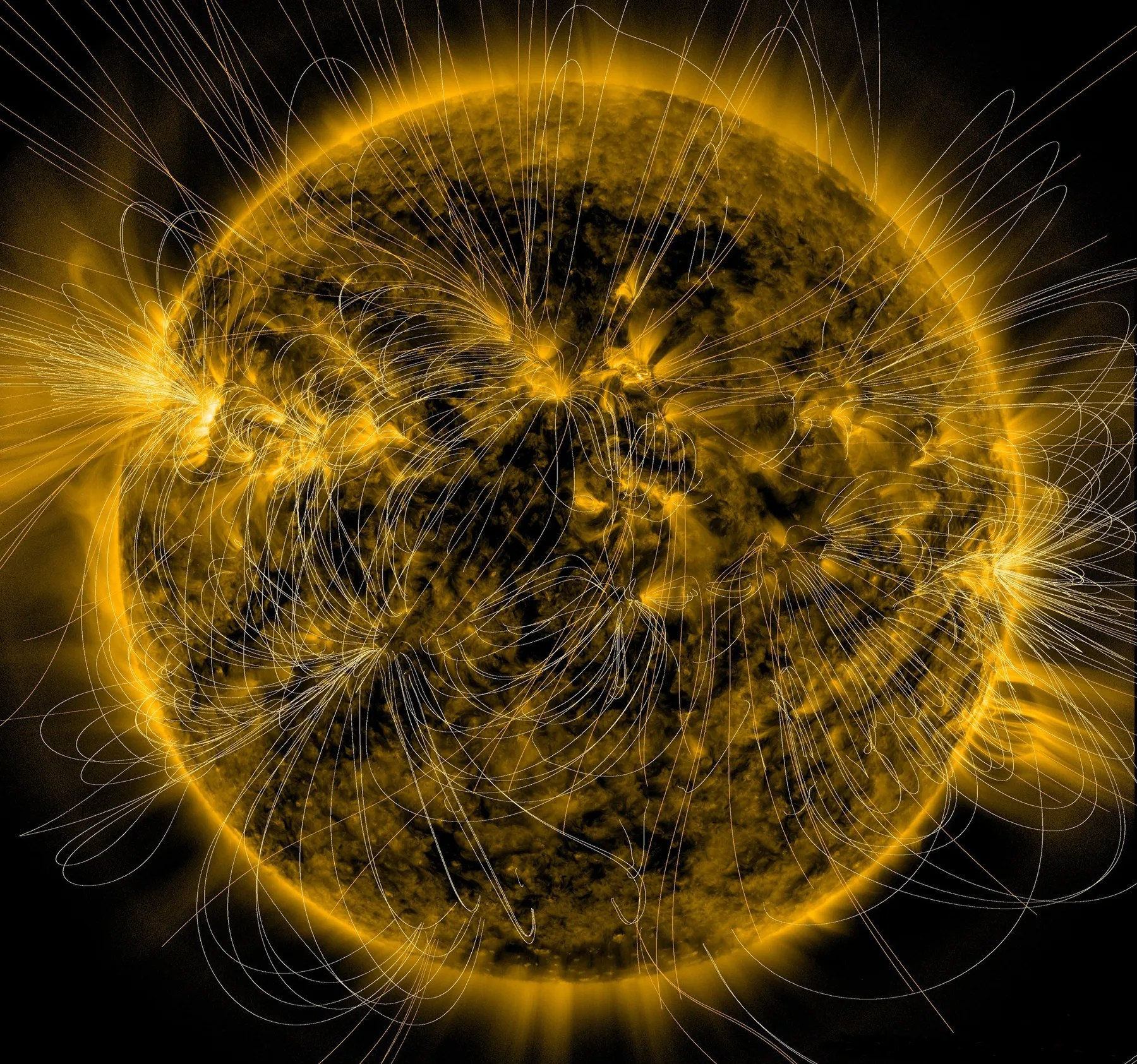
 Solar Models May Underestimate Risk: Magnetic Activity Shift Undetected by Standard Forecasts
University of Birmingham researchers have identified a significant gap in solar cycle forecasting: the Sun's magnetic activity has shifted in ways that conventional sunspot counting missed. This suggests current space weather models may be operating with incomplete data.
 AI Generated — EMPSurvive.com
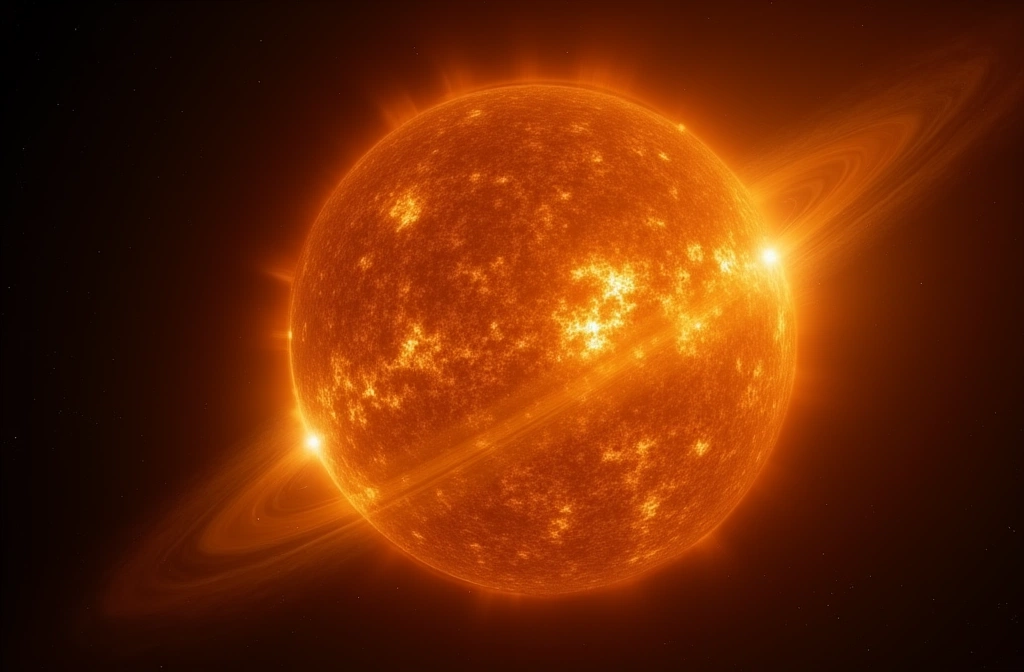
 Space Weather Activity Detected: Low-Severity Solar Event Emerging
Spaceweather.com monitoring shows emerging solar activity as of May 31, 2026. Current severity classification remains low, but conditions warrant baseline awareness from infrastructure and communications operators.
NOAA Issues G2 Geomagnetic Storm Watch for Early Next Week
NOAA has issued a G2 geomagnetic storm watch ahead of early next week, driven by elevated solar wind conditions. This is a medium-severity alert with real infrastructure implications for power grids, satellite operations, and communications systems.