Intel Flash79 reports
Breaking preparedness intelligence — curated and analyzed by Morgan Reed.

 AI Generated — EMPSurvive.com
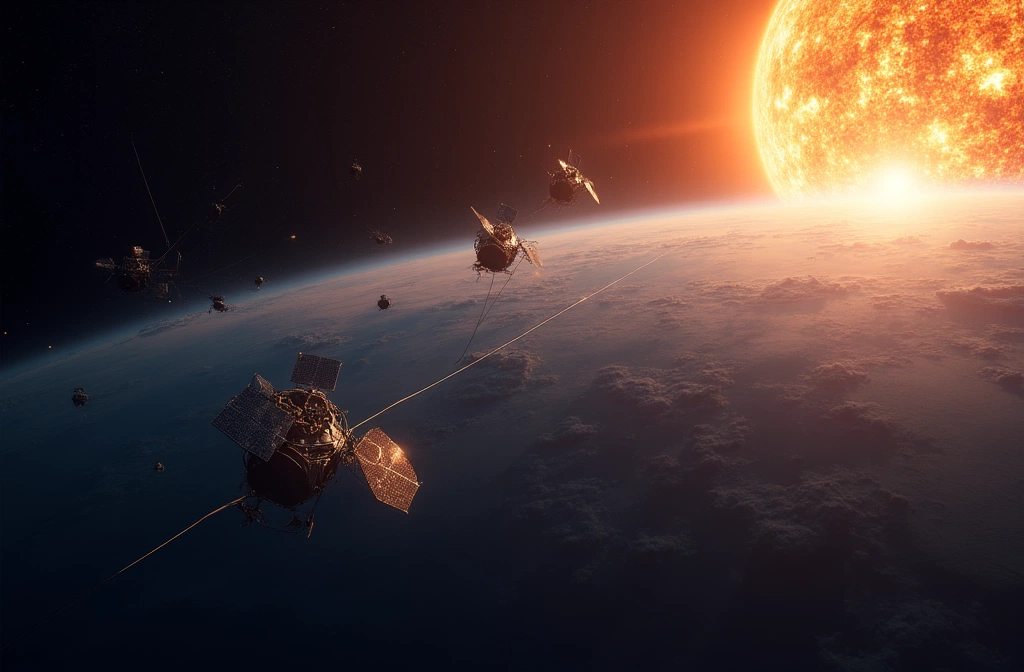
Satellite Mega-Constellation Could Enable Early Solar Storm Detection
Thousands of satellites in orbit may soon function as a distributed early-warning system for solar storms. The capability addresses a critical gap in current space weather monitoring infrastructure.
 AI Generated — EMPSurvive.com
Solar CME Blast Triggers G1-G2 Geomagnetic Storm Risk
A coronal mass ejection has reached Earth, with potential to trigger minor to moderate geomagnetic storms. High-latitude regions from Scotland to Scandinavia are in the alert zone.
 AI Generated — EMPSurvive.com
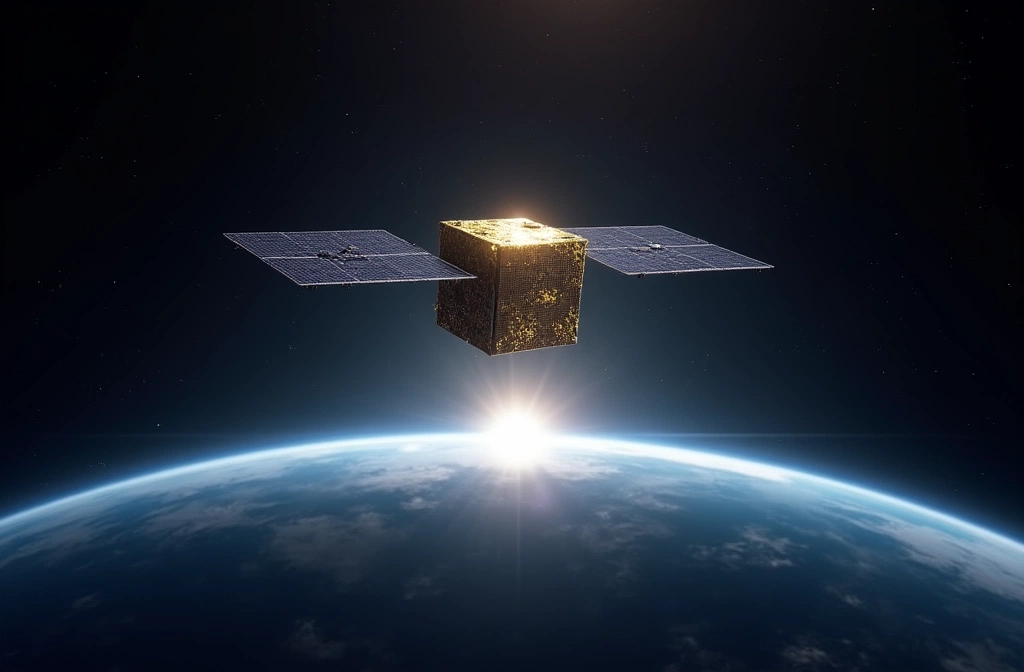
HENON CubeSat Launches 2027: Early Warning for Geomagnetic Storms Extended
A UK-built magnetometer aboard a shoebox-sized satellite will position itself ten times farther from Earth than current solar sentinels, potentially extending warning time for major geomagnetic storms. The HENON CubeSat is scheduled for deployment in early 2027.
 AI Generated — EMPSurvive.com
Fast Solar Wind Inbound; Magnetic Field Remains Calm—For Now
Earth's magnetosphere is quiet today, but a fast solar wind stream is en route. Current conditions show no geomagnetic storm activity, but the arrival of accelerated solar particles warrants monitoring as a potential precursor to elevated space weather risk.
 AI Generated — EMPSurvive.com
Solar Max Intensifies: X-Class Flares Trigger Continental Aurora, Radio Blackouts
The current solar maximum is delivering X-class flares and widespread geomagnetic storms across North America and Europe. NOAA continues issuing storm warnings as space weather impacts grid-dependent systems in real time.
 AI Generated — EMPSurvive.com
CubeSat Network Could Extend Solar Storm Warnings From 15 Minutes to 3 Hours
A deep-space CubeSat deployment could dramatically extend early warning time for severe solar storms—shifting the response window from minutes to hours. This matters because current detection systems leave infrastructure operators with minimal lead time to protect critical systems.
 AI Generated — EMPSurvive.com
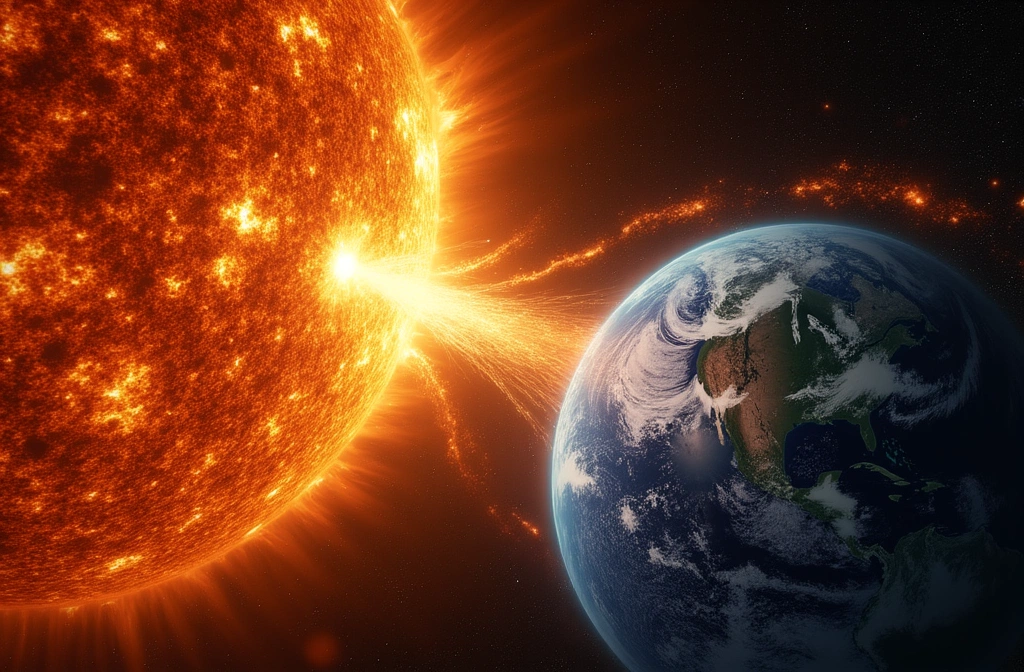
NOAA Primary Storm Satellite Goes Offline: Western Hemisphere Coverage Gap
NOAA's main geostationary satellite monitoring Atlantic hurricanes, severe weather, and environmental threats across the Western Hemisphere experienced an unexpected outage. The loss of this single point of failure creates a real-time gap in critical weather and environmental intelligence.
 AI Generated — EMPSurvive.com
G1 Geomagnetic Storm Hits Earth as SDO Archive Recovery Signals Monitoring Gaps
Earth's magnetosphere reached minor geomagnetic storm (G1) levels on July 12, driven by a coronal hole stream and glancing CME. The incident underscores vulnerability windows in solar observation infrastructure.
 AI Generated — EMPSurvive.com
Texas Backup Power Gap: Heavy Generators vs. Battery Storage Trade-offs
As Texas faces recurring blackout risks, homeowners wrestling 190-pound fuel generators into position during emergencies are discovering a critical limitation. Battery-backed solar may offer a safer alternative—but the shift exposes a preparedness infrastructure gap.