Intel Flash68 reports
Breaking preparedness intelligence — curated and analyzed by Morgan Reed.

 AI Generated — EMPSurvive.com
NOAA: G1-G2 Geomagnetic Storm Risk + Radio Blackout Threat
NOAA's Space Weather Prediction Center is tracking minor to moderate geomagnetic storm conditions and solar flare activity that could trigger radio blackouts over the next 24 hours. Minor disruptions to communications and navigation systems remain possible.
 AI Generated — EMPSurvive.com
NOAA Issues G2 Geomagnetic Storm Warning After X-Class Solar Flare
NOAA is forecasting G2-level geomagnetic storms following an X-class solar flare. Multiple coronal mass ejections are in transit toward Earth, with storm conditions already underway and potential for continued activity through early July.
 AI Generated — EMPSurvive.com
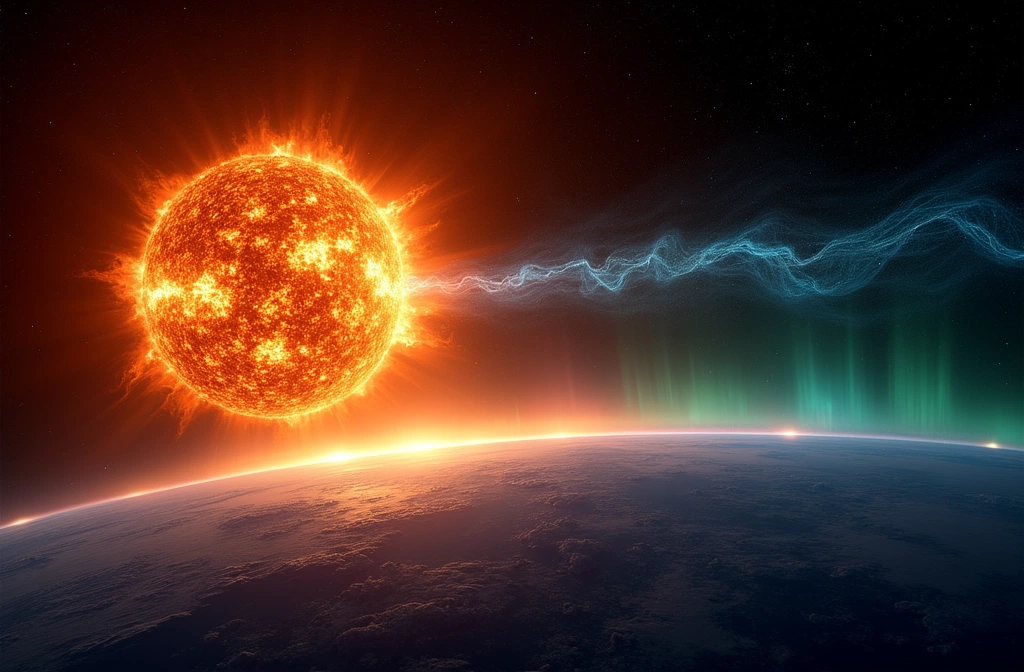
NASA Confirms Strong Solar Flare — Grid Impact Assessment Underway
NASA's Solar Dynamics Observatory captured a strong solar flare peaking June 30 at 4:50 p.m. ET. No official risk assessment has been released; watch for NOAA geomagnetic storm warnings in the next 24–48 hours.
 AI Generated — EMPSurvive.com
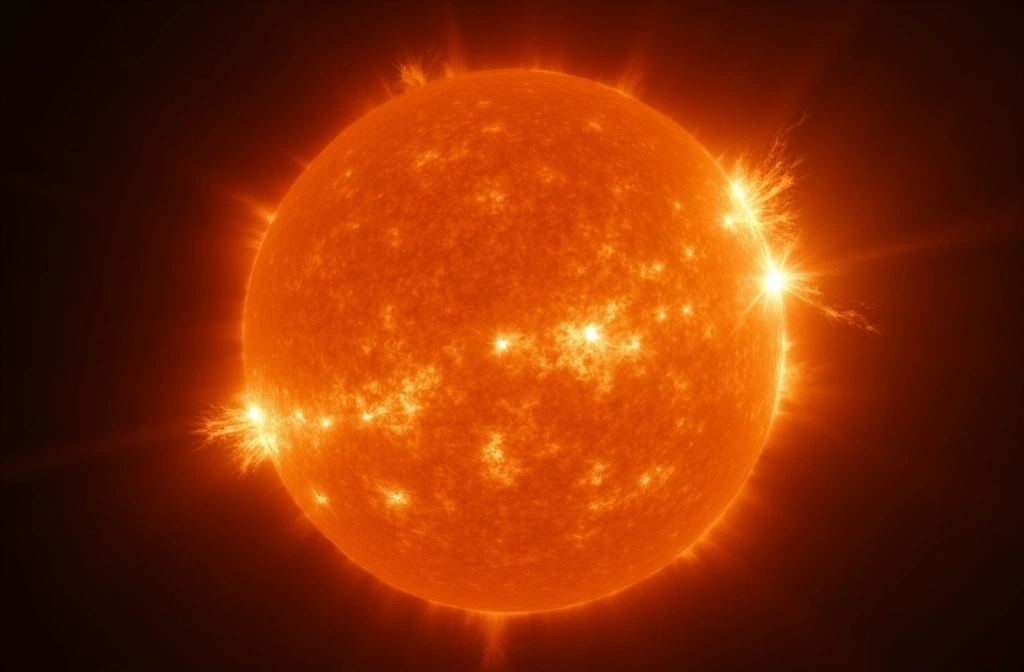
G2 Geomagnetic Storm Watch Issued for July 3 After X1.1 Solar Flare
An X1.1 solar flare from Active Region 4479 on June 30 produced a full-halo CME directed at Earth, prompting NOAA's Space Weather Prediction Center to issue a G2 – Moderate Geomagnetic Storm Watch for July 3. This is the kind of event that tests grid resilience and communication redundancy in real time.
 AI Generated — EMPSurvive.com
Two M-Class Flares, Three Active Sunspot Regions: G2 Storm Risk Through July 2
Earth Sky reports two M-class solar flares and three potent sunspot regions are driving unsettled-to-active geomagnetic conditions through early July. Two CMEs in succession mean grid operators and communications networks should stay alert through at least July 2.
 AI Generated — EMPSurvive.com
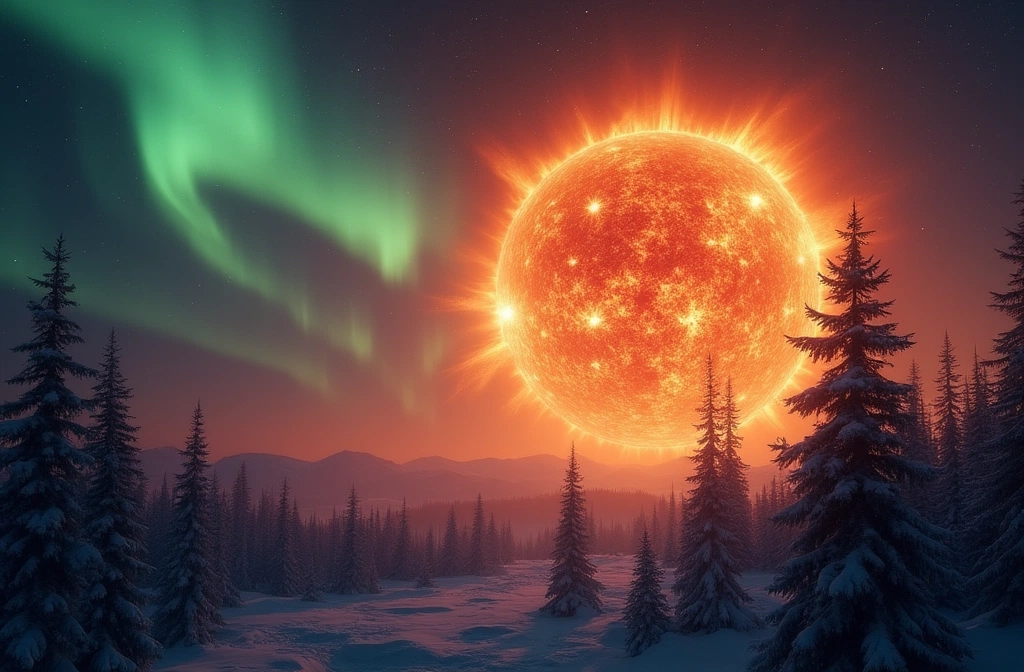
G1-G2 Geomagnetic Storm Forecast: Aurora Visible Across 19 States Monday
A coronal mass ejection is expected to trigger a G1 or G2 geomagnetic storm, bringing aurora visibility to northern and central U.S. states. While primarily a viewing event, geomagnetic activity warrants baseline awareness of grid and communication effects.
 AI Generated — EMPSurvive.com
Large Sunspot Triggers Minor Geomagnetic Storm Risk; Aurora Visible in Southern Latitudes
A C8.7 solar flare from an arriving large sunspot could push geomagnetic activity into minor storm territory. According to EarthSky, southern hemisphere observers in New Zealand and similar latitudes have the best aurora prospects.
 AI Generated — EMPSurvive.com
NOAA: M-Class Solar Flares Likely, X-Class Activity Possible This Week
The NOAA Space Weather Prediction Center is forecasting moderate solar activity with M-class flare potential and isolated X-class risk over the next 24 hours. Geomagnetic conditions remain generally quiet for now—but the window is open.
 AI Generated — EMPSurvive.com
NOAA Issues G1 Geomagnetic Storm Watch Through June 16
NOAA has issued a G1-level geomagnetic storm watch active through June 16. This is the first documented space weather alert of its kind in the current reporting window—watch for escalation signals.