Intel Flash 160 reports
Breaking preparedness intelligence — curated and analyzed by Morgan Reed.

 AI Generated — EMPSurvive.com
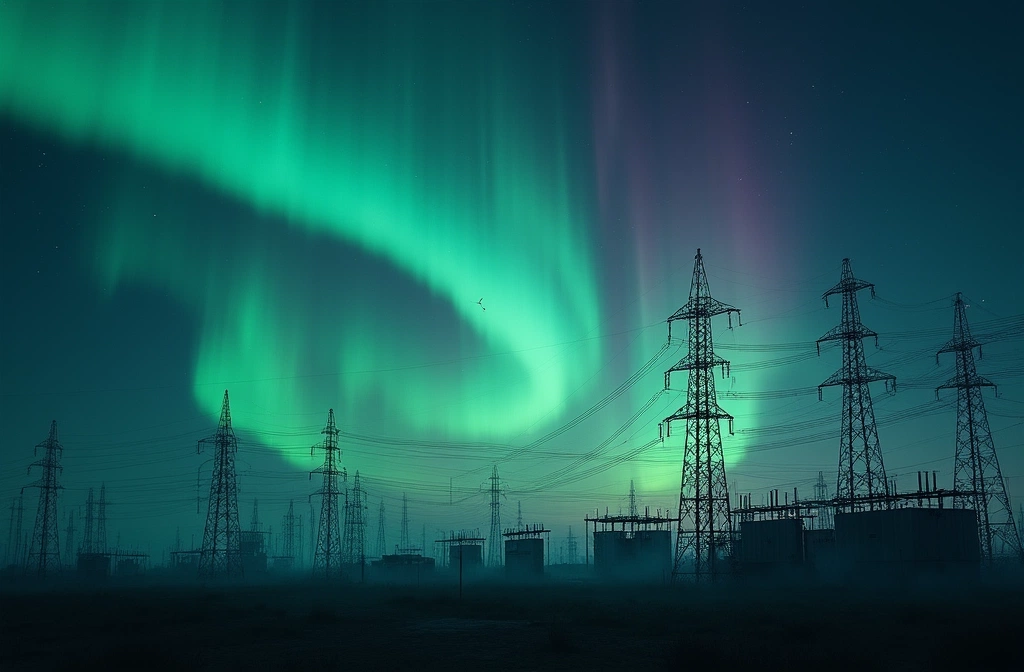
 Red-Level Geomagnetic Storm: Four-Day Solar Event Tests Grid Resilience
Earth is entering a prolonged red-level geomagnetic storm as solar activity peaks in May 2026. The multi-day event will stress power systems, communications infrastructure, and satellite operations.
 AI Generated — EMPSurvive.com
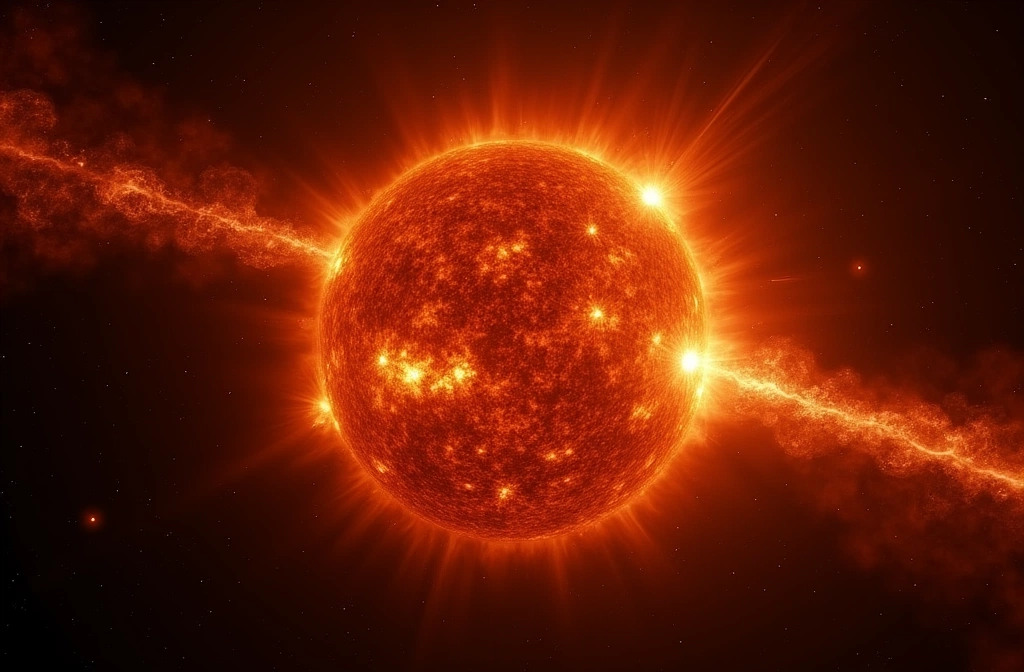
 Sunspot 4366 Rotating Earthward: G2 Geomagnetic Storm May Reach 20 U.S. States
Solar activity from sunspot region 4366 is positioning for Earth-directed coronal mass ejections this week. A G2-class geomagnetic storm could bring aurora visibility across the northern U.S. and expose grid infrastructure to geomagnetic stress.
 AI Generated — EMPSurvive.com
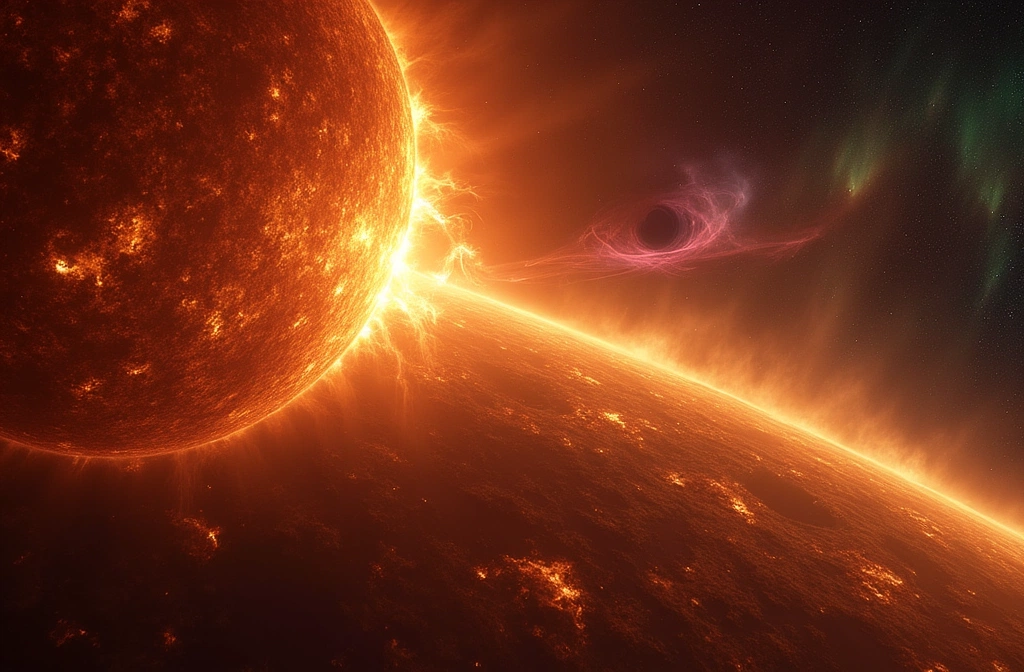
 Large Coronal Hole Targets Earth: G2 Geomagnetic Storm Possible May 15
A large coronal hole has rotated into Earth-facing position, and fast solar wind from it is expected to arrive as early as May 15. NOAA data suggests moderate (G2-level) geomagnetic storming may follow.
 AI Generated — EMPSurvive.com
 NOAA Hurricane Hunters Activate 2026 Season Prep: Aircraft & Systems Readiness Underway
NOAA's 403rd Wing is moving forward with equipment maintenance and community outreach ahead of the 2026 hurricane season. This early operational posture signals standard pre-season mobilization, but also reflects institutional focus on readiness infrastructure.
 AI Generated — EMPSurvive.com
 Critical Gap: Operators Can't Distinguish Solar vs. Atmospheric Storm Origins
When the next severe geomagnetic storm hits, satellite operators and grid managers face a dangerous blind spot: they cannot reliably determine whether damage is coming from solar particles or Earth's own magnetosphere. That distinction could be the difference between managed degradation and cascade failure.
 AI Generated — EMPSurvive.com
 NOAA Issues G2 Geomagnetic Storm Watch: May 10-11 Space Weather Event
NOAA's Space Weather Prediction Center has issued a G2 moderate geomagnetic storm watch for May 10, followed by a G1 minor storm watch for May 11, triggered by a coronal mass ejection from an M1 solar flare. This is the first multi-day storm sequence of the season.
 AI Generated — EMPSurvive.com
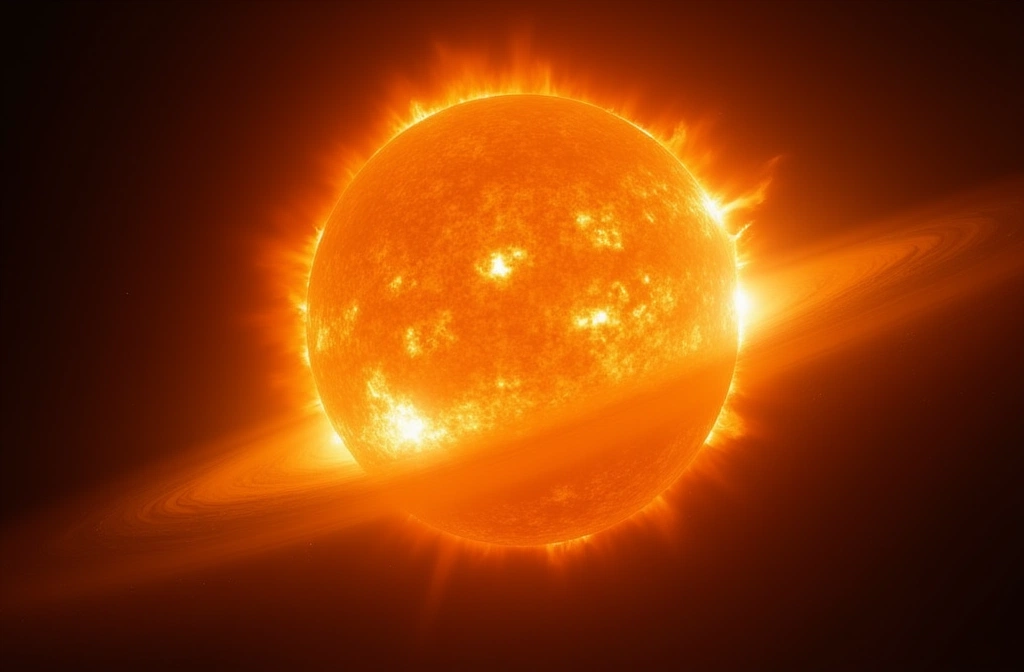
 Solar Activity Resurging: NOAA Tracks Return of Active Region
A solar region previously observed is showing renewed activity. According to NOAA's Spaceweather Prediction Center, no significant geomagnetic disturbances are currently in play—but the pattern warrants baseline monitoring.
 AI Generated — EMPSurvive.com
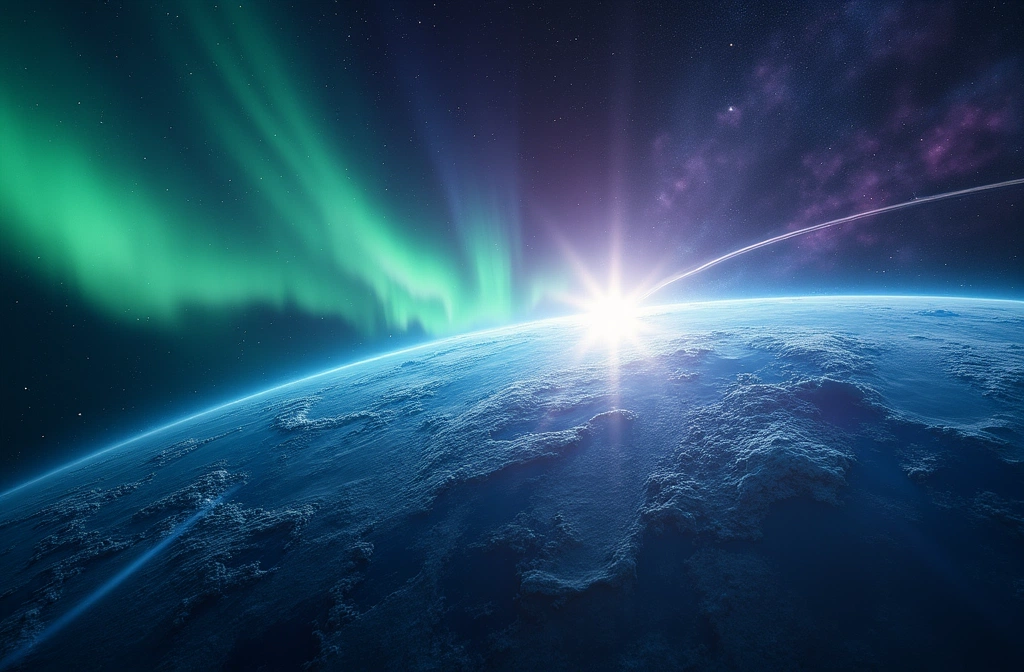
 Geomagnetic Storm Triggers Aurora Display Across 8 U.S. States Tonight
NOAA is forecasting visible aurora borealis across eight U.S. states between 10 p.m. and 2 a.m. tonight, driven by geomagnetic storm activity. While tonight's display is a visual event, it signals solar particle activity worth baseline monitoring.
 AI Generated — EMPSurvive.com
 NOAA Tracks G1-G2 Geomagnetic Storm: May 2026 Space Weather Event
A weakening geomagnetic storm is generating G1 to G2 level disturbances across northern latitudes, according to NOAA's Space Weather Prediction Center. While currently in decline, the event underscores the need for sustained grid and communications monitoring.